Choosing a cooktop is one of the biggest kitchen decisions you’ll make. It affects how fast you cook, how safe your kitchen feels, how much energy you use, and honestly, how much you enjoy cooking at all.
Right now, the most common debate is gas vs induction cooktops.
Gas is familiar, traditional, and still widely used. Induction feels modern, sleek, and tech-forward. Both are excellent. Both have trade-offs. And neither is “better” for everyone.
This guide breaks it all down in a way that actually helps you decide. No jargon. No chef elitism.
Just real-world differences, use cases, and buying advice.
How Gas Cooktops Work
Gas cooktops use an open flame powered by natural gas or LPG. You control heat visually by adjusting the flame size.
This method has been around forever, and a lot of home cooks feel instantly comfortable using it.
Why do people still love gas
Immediate heat control
Turn the knob and the flame responds instantly.
Works with all cookware
Stainless steel, aluminum, cast iron, carbon steel — everything works.
Reliable during power outages
As long as you have gas, you can cook.
Lower upfront cost
Gas cooktops are often cheaper than induction models.
Downsides to keep in mind
Open flame means:
- More heat loss
- Harder cleanup
- Higher indoor heat
- Increased safety concerns for kids
Gas cooktops also release combustion gases, which means good ventilation is important.
How Induction Cooktops Work
Induction cooktops use electromagnetic energy to heat the cookware itself, not the surface. The cooktop stays relatively cool while the pan heats rapidly.
It’s fast, efficient, and feels futuristic once you get used to it.
Why induction is growing fast
Extremely fast heating
Boils water faster than gas or electric.
Precise temperature control
Perfect for delicate cooking and consistent results.
Safer surface
No open flame and minimal surface heat.
Easy cleanup
Spills don’t burn onto the surface.
Downsides to consider
- Requires induction-compatible cookware
- Higher upfront cost
- Needs stable electricity
- Some models produce a faint humming sound
Gas vs Induction Cooktops Comparison Table
| Feature | Gas Cooktop | Induction Cooktop |
|---|---|---|
| Heat speed | Fast | Extremely fast |
| Heat control | Visual flame control | Digital, highly precise |
| Energy efficiency | Lower | Very high |
| Safety | Open flame, hot surface | Cool surface, no flame |
| Cookware compatibility | Works with all cookware | Requires magnetic cookware |
| Cleaning | More difficult | Very easy |
| Indoor heat | Higher | Much lower |
| Installation cost | Lower | Higher |
| Power dependency | Gas supply | Electricity required |
| Best for | Traditional cooking styles | Modern, efficient kitchens |
Cooking Performance in Real Kitchens
Gas cooktops excel at techniques like charring, flame roasting, and wok cooking. You can visually judge heat, which many experienced cooks prefer.
Induction cooktops shine in speed and consistency. Simmering sauces, boiling pasta, or melting chocolate feels effortless and controlled.
If you cook daily and value precision and speed, induction is hard to beat.
If you love traditional cooking and flame control, gas still feels more intuitive.
Safety Considerations for Families 👨👩👧👦
This is where induction really stands out.
Gas cooktops have:
- Open flames
- Hot grates
- Gas leakage risks
- Higher burn risk for children
Induction cooktops:
- Stay cool to the touch
- Automatically shut off when pans are removed
- Have no open flame
- Reduce fire hazards significantly
For homes with kids, elderly family members, or small kitchens, induction is objectively safer.
Energy Efficiency and Running Costs
Induction cooktops are far more energy efficient. Almost all the energy goes directly into heating the pan.
Gas cooktops lose a lot of heat to the air, which increases cooking time and indoor temperature.
While gas may be cheaper upfront, induction can save money long-term depending on electricity rates.
Cookware Compatibility Matters
Gas cooktops work with everything. This is a big plus if you already own cookware.
Induction requires magnetic cookware:
- Cast iron
- Carbon steel
- Many stainless steel pans
Aluminum and glass cookware won’t work unless they have a magnetic base.
If you’re starting from scratch, this isn’t a big issue. If you already own lots of non-compatible cookware, gas may be more practical.
Amazon Gas Cooktop Recommendation
Empava 30-Inch Gas Cooktop with 5 Italy Sabaf Burners
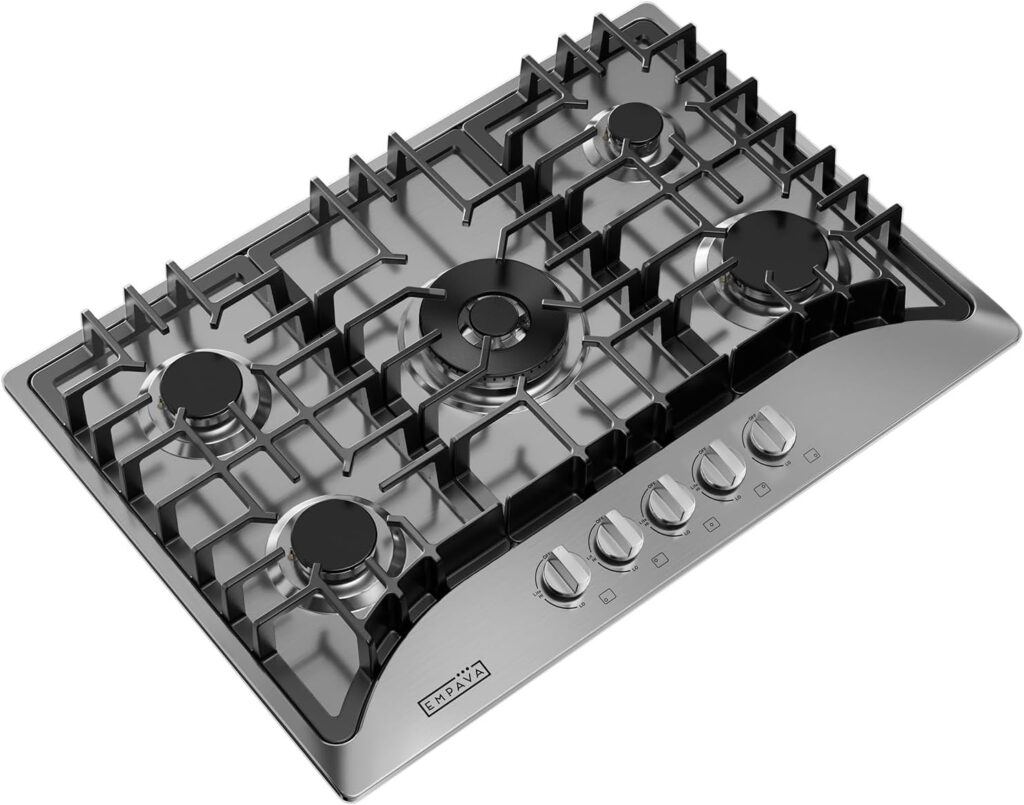
- High-quality burners with strong heat output
- Stainless steel surface
- Works with all cookware
- Reliable performance for daily cooking
- Great value for full-size kitchens
This is ideal if you want a traditional setup that feels powerful and familiar.
Amazon Induction Cooktop Recommendation
Duxtop 9600LS Portable Induction Cooktop
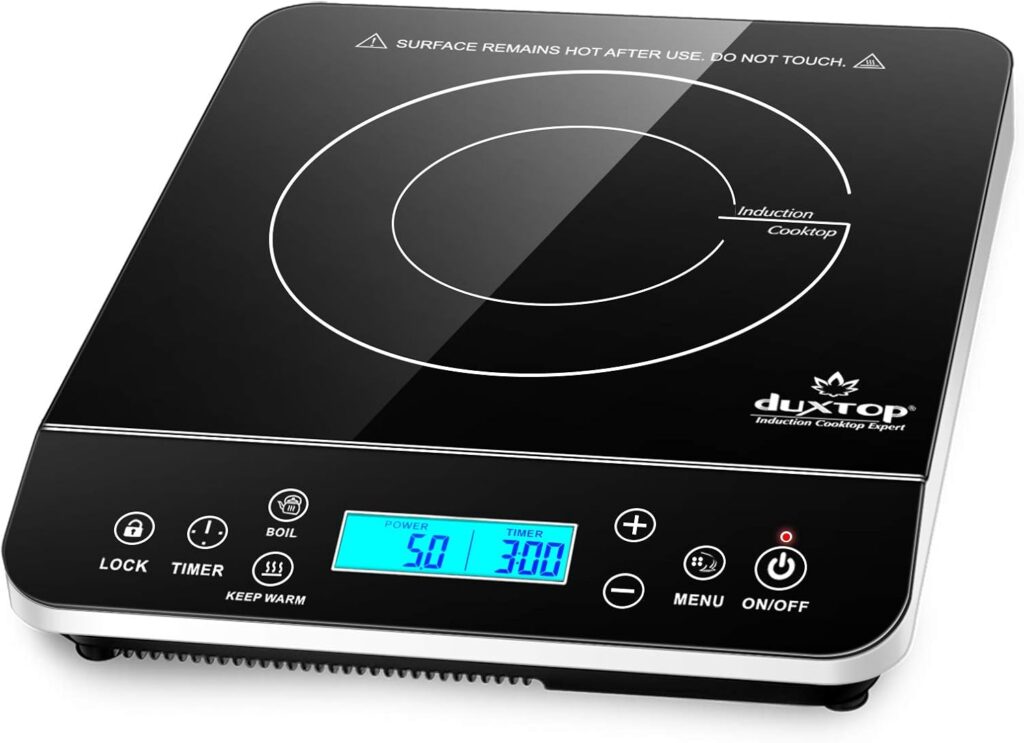
- Extremely fast heating
- Compact and portable
- Precise digital temperature control
- Easy to clean glass surface
- Great for apartments and small kitchens
This model is perfect for testing induction cooking without committing to a full built-in system.
Which One Is Better for Small Apartments?
Induction cooktops are generally better for apartments.
They produce less heat, are safer, easier to clean, and don’t require gas lines. Portable induction units are also renter-friendly.
Gas cooktops are better suited for permanent installations and homes with proper ventilation.
Which One Is Better for Serious Home Cooks?
This depends on cooking style.
Choose gas if you:
- Use woks frequently
- Prefer visual flame control
- Cook traditional recipes
- Already own compatible cookware
Choose induction if you:
- Want speed and efficiency
- Cook daily and value consistency
- Want a cleaner, cooler kitchen
- Prefer modern appliances
Many serious cooks eventually use both.
Long-Term Maintenance and Durability
Gas cooktops require:
- Burner cleaning
- Grate maintenance
- Occasional ignition repairs
Induction cooktops require:
- Minimal cleaning
- Care to avoid surface scratches
- Electrical stability
Overall, induction tends to require less ongoing maintenance.
Final Verdict
Gas and induction cooktops aren’t rivals. They’re tools designed for different lifestyles.
Gas cooktops are familiar, flexible, and great for traditional cooking.
Induction cooktops are fast, safe, efficient, and future-focused.
If you value speed, safety, and easy cleanup, induction is the better choice.
If you value versatility, flame cooking, and lower upfront cost, gas still wins.
The best cooktop is the one that fits how you cook, not what’s trending.
📌Related Read
Top 5 Portable Induction Burners for Quick, Energy-Saving Meals
7 Best Portable Electric Burners for Cooking (2026 Buyer’s Guide)
8 Best Grill Pans for Indoor Searing (2026)
8 Best Electric Griddles for Pancakes & More
6 Best Induction Heat Diffuser Plates for Even Cooking