
Cabinet Pull Size Chart: What Size Pulls for Kitchen Cabinets, Drawers & Doors
The one-third rule, a drawer-by-drawer size chart, door and pantry pull sizes, and the hole spacings in inches and millimetres — so the pulls you order actually fit.
Cabinet Pull Size Chart by Drawer Width
The recommended size for cabinet pulls is simple: choose a drawer pull about one-third the width of the drawer. An 18-inch drawer takes a 6-inch pull, a 24-inch drawer an 8-inch pull, a 36-inch drawer a 12-inch pull. Doors are sized differently, by their height, and are covered below.
Pulls are sold by center-to-center hole spacing, not overall length, so this cabinet pull size selection guide gives both: the length the one-third rule suggests, and the nearest standard size to buy. Most modern pulls use metric spacings such as 128, 160 and 192 mm.
| Drawer width | Pull length (⅓ rule) | Standard size to buy |
|---|---|---|
| 12 in (30 cm) | 4 in | 3 in (76 mm) or 96 mm |
| 14–15 in (36–38 cm) | 5 in | 96–128 mm (3¾–5 in) |
| 18 in (46 cm) | 6 in | 128 mm (5 in) |
| 21 in (53 cm) | 7 in | 160 mm (6¼ in) |
| 24 in (61 cm) | 8 in | 160–192 mm (6¼–7½ in) |
| 26–27 in (66–69 cm) | 9 in | 192 mm (7½ in) |
| 30–31 in (76–79 cm) | 10 in | 192–224 mm (7½–8¾ in) |
| 32–33 in (81–84 cm) | 11 in | 224–256 mm (8¾–10 in) |
| 36 in (91 cm) | 12 in | 256 mm (10 in), or two pulls |
| 42 in (107 cm) | 14 in | 320 mm (12½ in), or two pulls |
| 48–60 in and up (122 cm+) | 16 in + | 320 mm and up, or two pulls |
Overall length is usually ½–1 inch longer than the hole spacing. For standard drawer widths, see our standard kitchen drawer size guide.
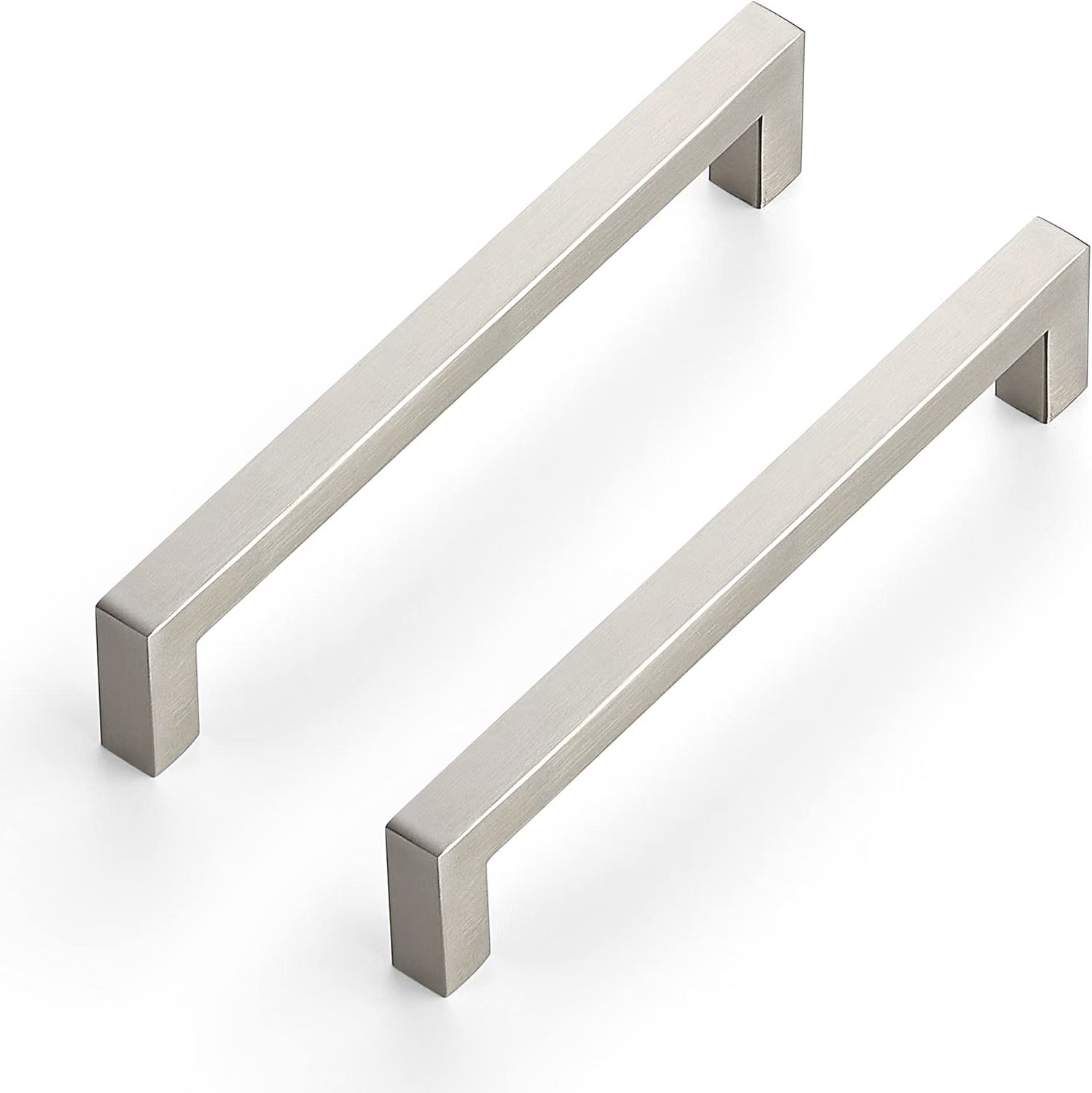
Ravinte Brushed Nickel Square Bar Pulls, 160 mm (10-Pack)
- 6¼ in / 160 mm centers
- 6¾ in overall
- 1.4 in projection
- 10-pack
- $
The right size for the drawers most kitchens have most of: 160 mm (6¼ in) hole spacing suits 18 to 24-inch drawers under the one-third rule. Square stainless bars in a satin nickel finish, ½ inch thick with a 1.4-inch projection for easy grip. The same listing runs from 3-inch to 12½-inch centers, so you can match every drawer width in one finish.
The One-Third Rule for Cabinet Pulls
The one-third rule is the simplest way to size drawer pulls: the pull’s overall length should be roughly a third of the drawer’s width. It keeps the hardware in proportion, and it scales from a small drawer to a wide one.
What Size Pulls for Cabinet Doors and Upper Cabinets
Doors are sized by height, not width, because door pulls usually run vertically on the edge opposite the hinges. A 30-inch base door and a 30-inch upper door can take the same pull, whatever their width.
| Door | Pull length | Hole spacing |
|---|---|---|
| Base cabinet door (about 30 in tall) | 3–5 in | 76–128 mm |
| Upper cabinet door, 30–36 in tall | 3–5 in | 76–128 mm |
| Upper door, modern slab or 42 in tall | 5–8 in | 128–192 mm |
| Tall pantry door (84–96 in) | 12–18 in | 305–457 mm (appliance pull) |
| Fridge or dishwasher panel | 12–18 in | 305–457 mm (appliance pull) |
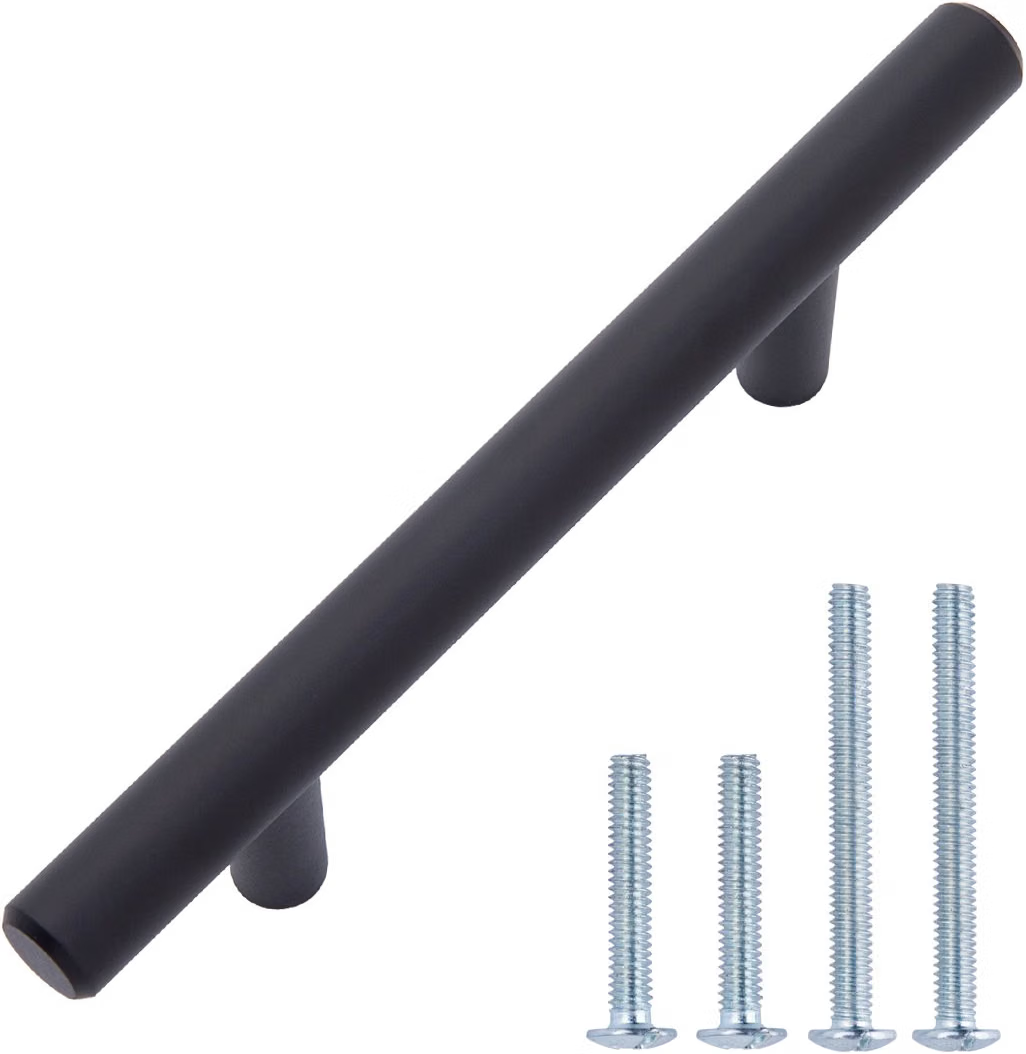
Amazon Basics Euro Bar Pulls, Matte Black (10-Pack)
- 3 in / 76 mm centers
- 5⅜ in overall
- 1.38 in projection
- Solid steel
- $
The highest-rated pull here, and a simple choice for cabinet doors and small drawers. Solid (not hollow) steel in flat black, a ½-inch bar and a 1.38-inch projection, with both 1-inch and 1½-inch screws in the pack. The 3-inch spacing also fits older cabinets that were drilled for 3-inch pulls.
Pantry and Tall Cabinet Pull Sizes
A standard pull looks lost on a door 7 or 8 feet tall. The industry standard for tall doors is longer: pantry doors take 12 to 18-inch pulls (305–457 mm), usually appliance pulls with a thicker bar that can handle a heavy door full of food.
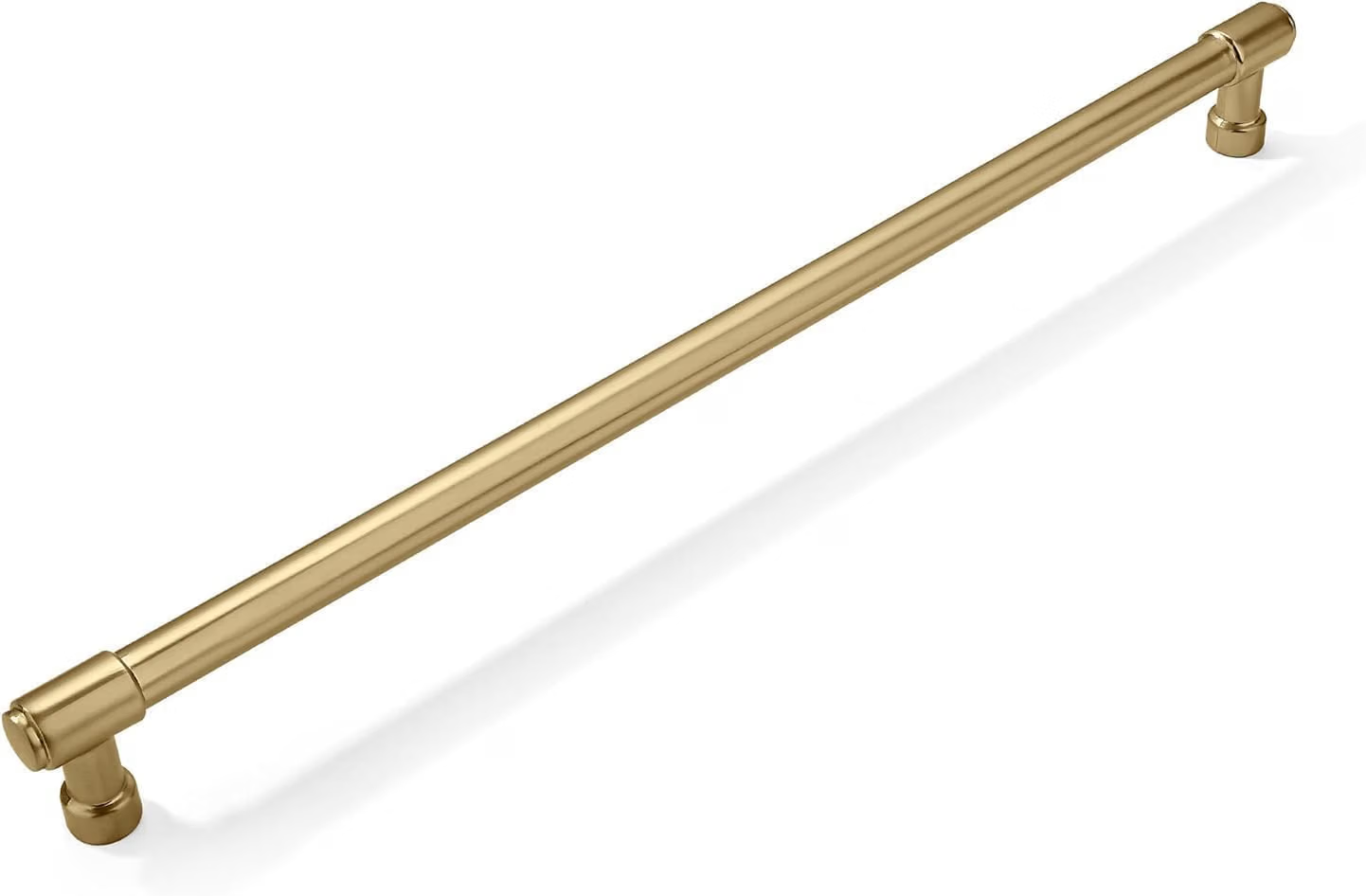
khtumeware Appliance Pull, 12 in Centers
- 12 in / 305 mm centers
- 13⅜ in overall
- ¾ in bar
- 1⅝ in projection
- $$
A heavy-duty zinc appliance pull for tall pantry doors, fridge panels and big pot drawers. The ¾-inch bar is thick enough for a full-hand grip, and it comes with screws for both standard and thick panels. 18-inch centers and smaller cabinet sizes are on the same listing, in the same finishes.
Standard Cabinet Pull Sizes in Inches and Millimetres
Every pull is sold by its center-to-center (C2C) hole spacing. When you replace pulls, that is the number that has to match — not the overall length.
| Hole spacing | In mm | Typical use |
|---|---|---|
| 3 in | 76 mm | Older cabinets, cup pulls, small drawers |
| 3¾ in | 96 mm | Small drawers and doors |
| 5 in | 128 mm | The most common modern size: doors and 15–18 in drawers |
| 6¼ in | 160 mm | 18–24 in drawers |
| 7½ in | 192 mm | 24–30 in drawers |
| 8¾ in | 224 mm | 27–33 in drawers |
| 10 in | 256 mm | 30–36 in drawers |
| 12½ in | 320 mm | 36–42 in drawers |
| 12 in / 18 in | 305 / 457 mm | Appliance and pantry pulls |
Can You Use Three Pull Sizes in One Kitchen?
Yes, and most well-designed kitchens do. One size everywhere looks tiny on wide drawers or oversized on uppers. The usual approach is two or three sizes in one finish and one style.
- Doors and upper cabinets: 96–128 mm (3¾–5 in).
- Standard drawers: 160–192 mm (6¼–7½ in).
- Wide drawers and the pantry: 256 mm to 12 in or more.
Keep the finish, profile and projection the same, and the kitchen reads as one set rather than a collection. Mixing knobs on doors with pulls on drawers works too, as long as the finish matches. For a warm transitional kitchen, champagne bronze or brushed brass bar pulls in two or three sizes are the easy route.
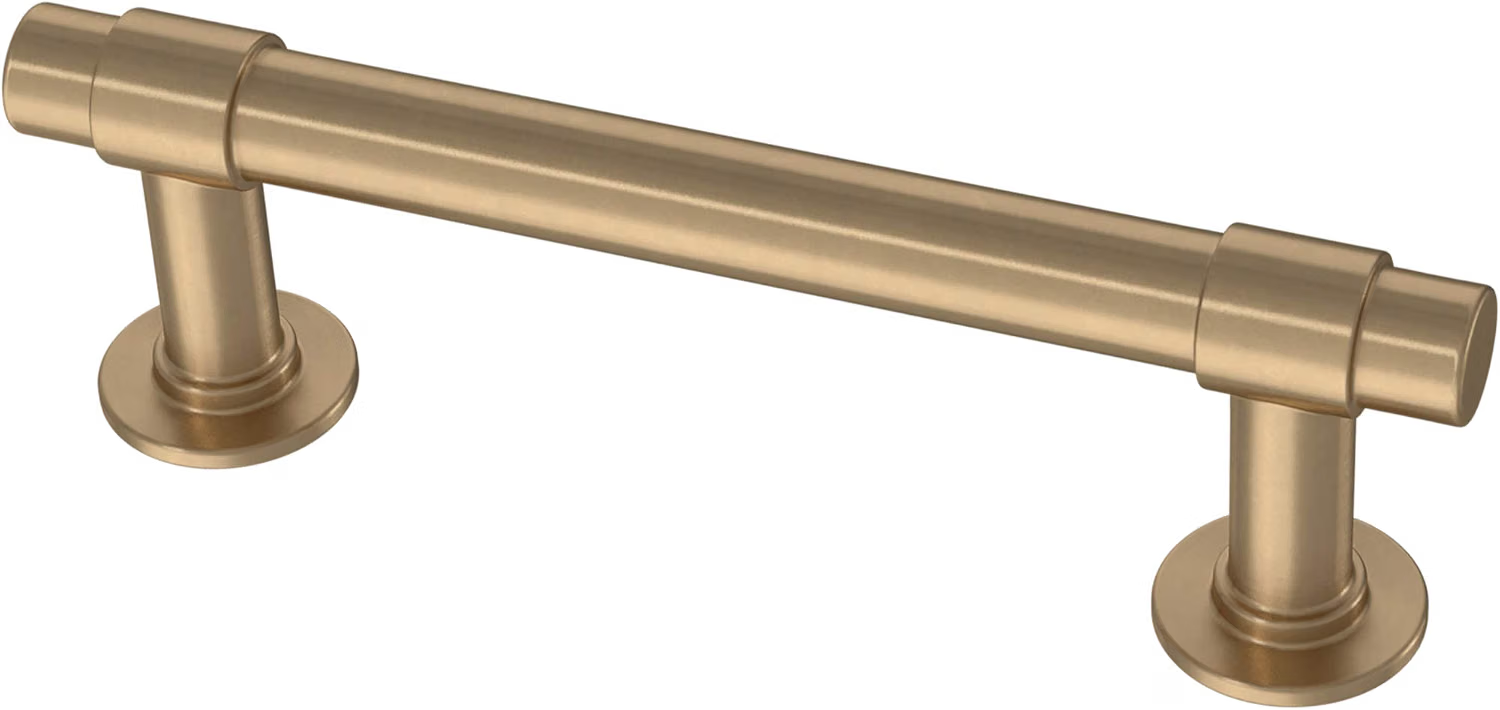
Franklin Brass Francisco Bar Pulls, Champagne Bronze (10-Pack)
- 3 in / 76 mm centers
- Sizes to 18 in
- Rear-mount
- 10-pack
- $$
The easy way to run two or three sizes in one finish: the Francisco line goes from 3-inch pulls to 128, 192 and 256 mm and an 18-inch appliance size, all in the same champagne bronze. The finish is fade- and scratch-resistant, and each 10-pack includes twenty 1-inch screws.
Different Types of Cabinet Pulls and How to Choose
How to choose cabinet pulls, or kitchen cupboard pulls, comes down to who opens the drawer, how often, and the style of the door. These are the types you will see.
Bar pulls
Straight bars on two posts. The most versatile type, from slim modern bars to chunky appliance pulls; they suit slab and Shaker doors alike.
Cup (bin) pulls
A half-moon hood you hook your fingers under. Traditional and farmhouse, and best on drawers. 3-inch cup pulls suit small drawers; 5-inch cupped pulls suit wider ones.
Edge and finger pulls
Low-profile tabs on the top edge of a door or drawer. Clean and modern, but they need a gap above to grip.
Tab pulls
Small metal tabs that barely show. Minimal, and fine on light drawers, but awkward on heavy ones.
Appliance pulls
Extra-long, heavy-duty bars, 12 inches and up. For pantry doors, fridge panels and big pot drawers.
Knobs
One screw, easy to fit and inexpensive. Best on doors and small drawers; harder to grip with wet or full hands.
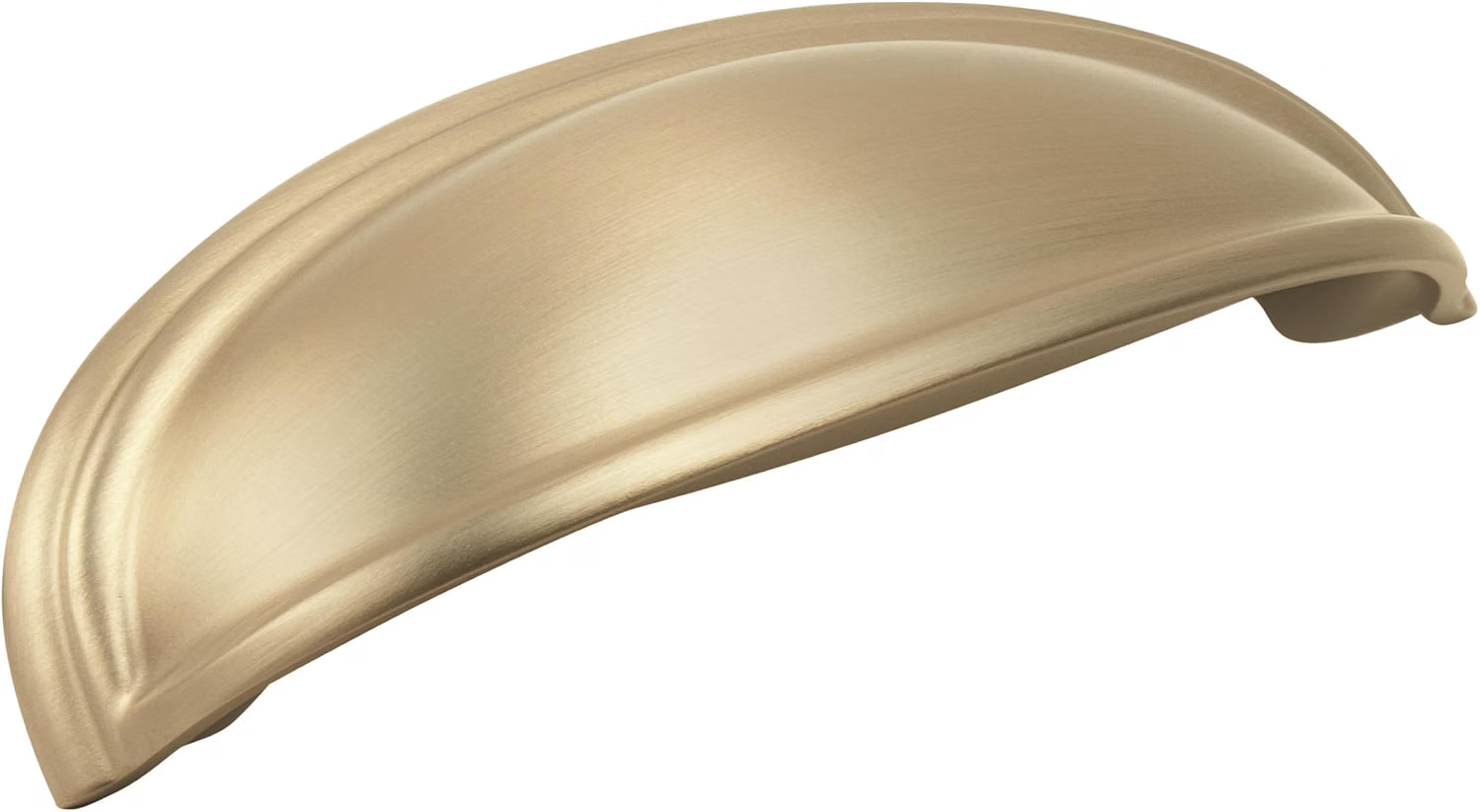
Amerock Ashby Cup Pull, Golden Champagne
- Fits 3 in or 4 in holes
- 5 1/16 in overall
- Zinc
- Lifetime warranty
- $
A classic cup (bin) pull for farmhouse, coastal and traditional drawers. Its dual mounting holes fit either 3-inch or 4-inch centers, which makes it an easy swap on older cabinets. Solid zinc in a cool golden champagne, backed by a limited lifetime warranty.
Where to Place Cabinet Pulls on Doors and Drawers
False fronts under a sink get pulls too, lined up with the drawers beside them, even though they do not open — see our double bowl kitchen sink size guide for sink base sizes. Corner and lazy Susan doors follow the same rules; our corner kitchen cabinet dimensions cover the door sizes.
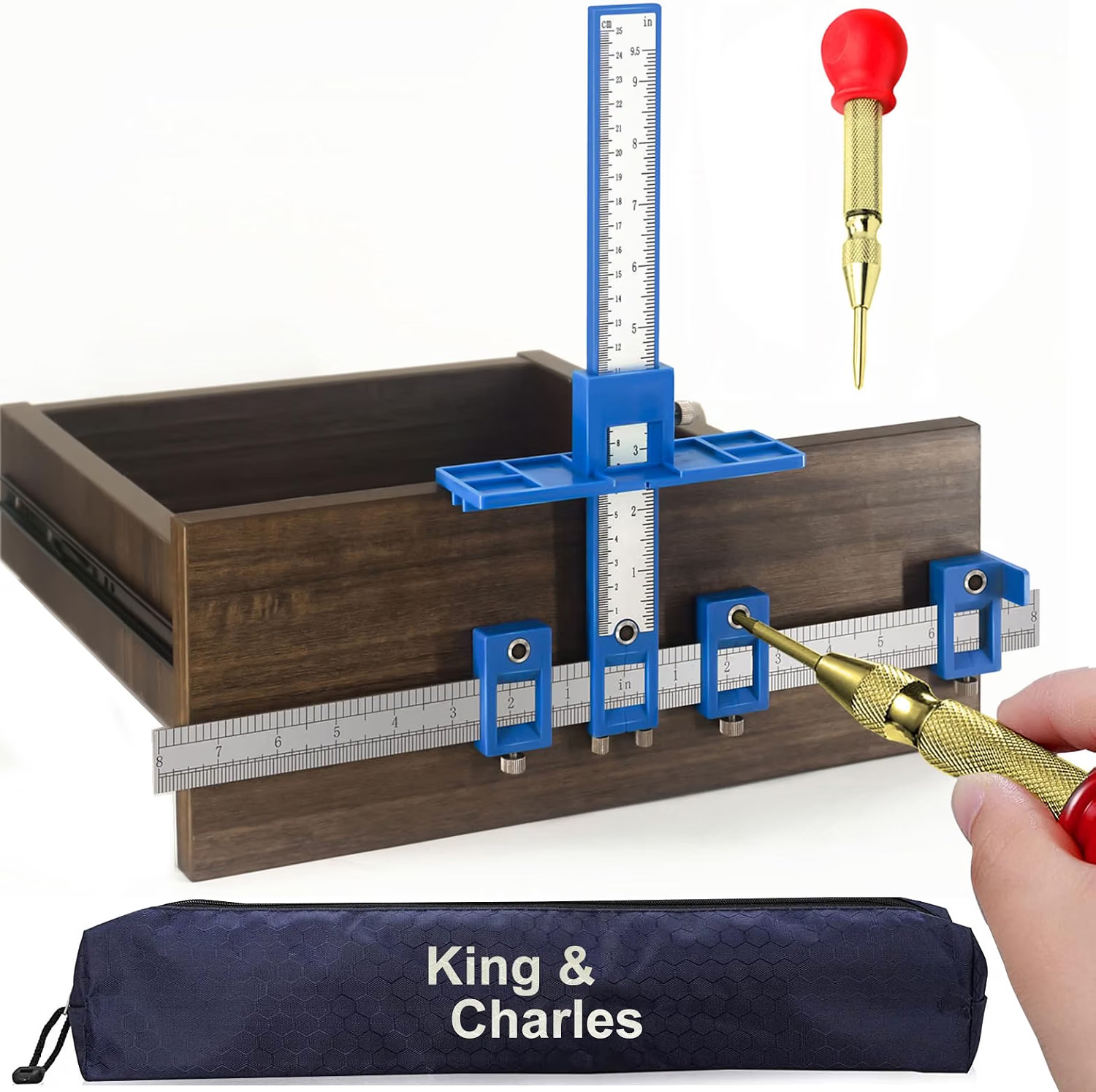
King&Charles Cabinet Hardware Jig & Center Punch
- Metric + imperial scale
- Doors & drawers
- Works on Shaker
- Center punch
- $
Set it once and every hole lands in the same place: a sliding jig with metric and imperial scales that works on flat and Shaker doors and drawer fronts. The automatic center punch marks the hole first, so the drill bit does not wander on the first press.
Cabinet Pull Size FAQs
What size cabinet pulls should I use for kitchen cabinets?+
What is the standard size for cabinet pulls?+
What size pull for a 36-inch cabinet?+
What size pulls for an 18-inch cabinet?+
What size pulls for 30-inch drawers?+
What size pulls for upper cabinets?+
Should all cabinet pulls be the same size?+
Can I use three pull sizes in my kitchen?+
Is 128 mm good for lower cabinets?+
Are 5-inch pulls wide enough for your hand?+
How do I measure cabinet pulls for replacement?+
Will bar pulls look bad on small or oak cabinets?+
Choosing Cabinet Pull Sizes
Drawers: about a third of the width. An 18-inch drawer takes a 6-inch pull, a 24-inch drawer 8 inches, a 36-inch drawer 12 inches or two pulls. Doors: 3–5 inches, mounted vertically. Pantry doors: 12–18 inches.
Buy by hole spacing, not overall length, with 128 mm as the modern default. Use two or three sizes in one finish, and a drilling jig so every hole lines up.


