
Korean café culture produces some of the most visually stunning food in the world — and it’s not just about looks.
Every dish is built on bold, layered flavors that hold up as well as they photograph.
The bowl that’s been taking over Pinterest — Tteokbokki with ramen noodles, fried egg, sausage, and melted cheese — is exactly what this post is about.
The recipe is below, plus 11 more Korean café dishes that capture that aesthetic: rich, spicy, glossy, and impossible to stop eating.
Every recipe here is written fully. Real ingredients, real technique, real results.

Saves all 12 recipes as a PDF to your device
Tteokbokki with Ramen and Fried Egg
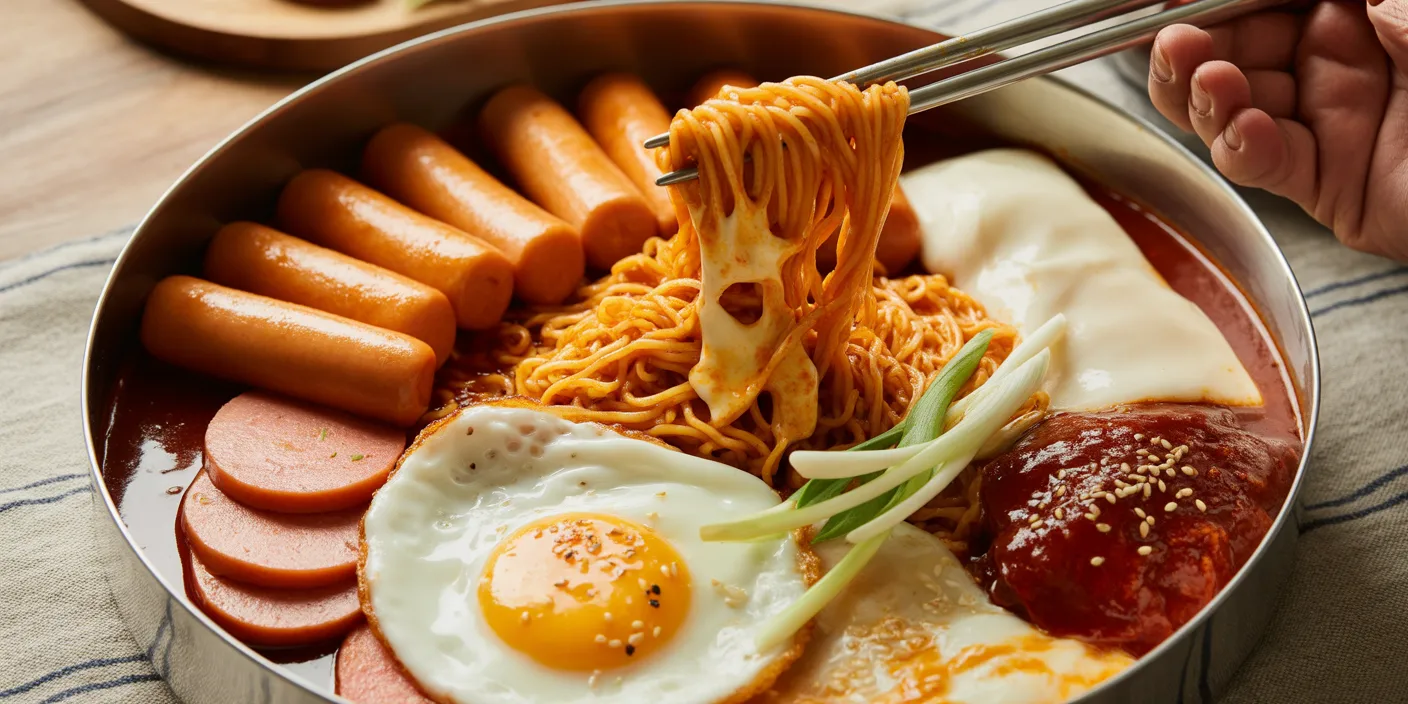
Prep Time: 10 minutes | Cook Time: 20 minutes | Serves: 2
This is the bowl. Chewy rice cakes in a deeply spicy-sweet gochujang sauce, ramen noodles that soak up every bit of that broth, sausage slices, a perfectly fried egg on top, and melted mozzarella pulled dramatically with chopsticks. This is Korean street food at its most iconic.
Ingredients
- 300g (10 oz) tteok (cylindrical rice cakes — fresh or thawed from frozen)
- 1 pack (80g) instant ramen noodles (discard the seasoning packet)
- 2 Korean fish cakes (eomuk), cut into bite-sized pieces
- 2 sausages or frankfurters, sliced on the diagonal
- 2 large eggs
- ½ cup (50g) shredded mozzarella cheese
- 2 spring onions, sliced into 2-inch pieces
- 1 tsp sesame seeds + sesame oil for finishing
For the gochujang sauce:
- 3 tbsp gochujang (Korean chili paste)
- 1 tbsp gochugaru (Korean chili flakes)
- 2 tbsp soy sauce
- 1 tbsp sugar (or honey)
- 1 tbsp rice syrup (or corn syrup — gives the glossy finish)
- 1 tsp sesame oil
- 2 cups (480ml) anchovy or kelp broth (or plain water)
- 3 garlic cloves, minced
Instructions
- If using refrigerated or frozen tteok, soak in cold water for 10 minutes to soften. Drain and set aside.
- Combine all sauce ingredients in a wide shallow pan or skillet. Stir well and bring to a simmer over medium heat.
- Add the tteok, fish cakes, sausage slices, and spring onions. Stir to coat everything in the sauce. Simmer uncovered for 8–10 minutes, stirring regularly, until the sauce thickens and the tteok becomes very soft and pillowy. The sauce should look glossy and cling to the rice cakes.
- Meanwhile, cook the ramen noodles separately for 1–2 minutes less than the package directions (they’ll finish cooking in the sauce). Drain and add to the pan. Toss to coat.
- Taste the sauce. Adjust with more gochujang for heat, sugar for sweetness, or soy sauce for saltiness.
- Scatter mozzarella over the top. Cover with a lid for 1–2 minutes until cheese melts.
- Fry eggs separately in a small pan with butter or oil — sunny side up, yolk still runny.
- Serve in a wide shallow bowl. Place the fried egg on top. Finish with sesame seeds and a drizzle of sesame oil. Serve immediately while the cheese is still stretchy.
The Key Technique
The rice syrup is what gives the sauce that glossy, shiny look you see in Korean food photos. Without it, the sauce is still delicious but looks matte. Rice syrup (or even corn syrup) creates that lacquered finish that makes the bowl look like it came from a professional kitchen.
Make-Ahead
The sauce can be made 3 days ahead and refrigerated. Tteok can be soaked and refrigerated overnight. Add the noodles only when serving — they absorb the sauce and become mushy if they sit.
Rose Tteokbokki
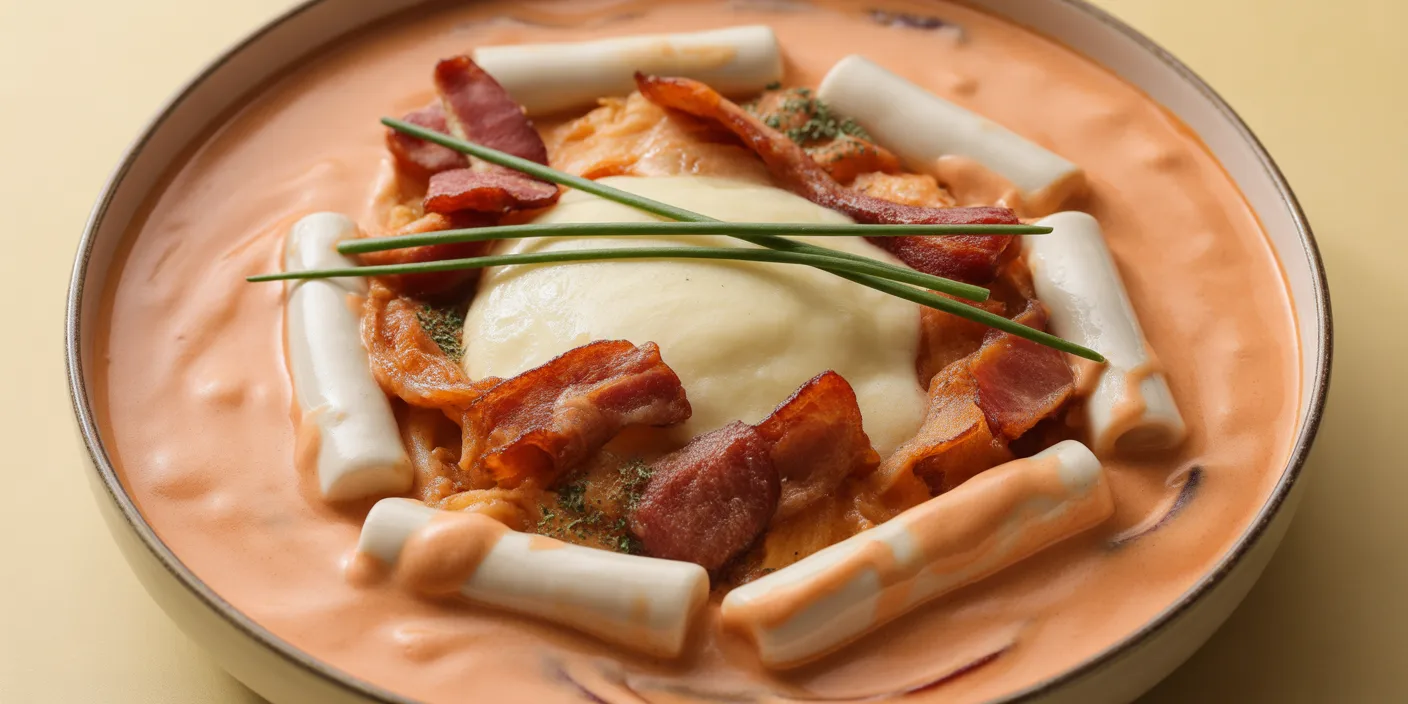
Prep Time: 10 minutes | Cook Time: 15 minutes | Serves: 2
The creamy, pink-tinged version that took over Korean social media. Gochujang heat balanced with cream — less aggressive than the original but richer and arguably more addictive. The rose color comes from the cream mixing with the red sauce.
Ingredients
- 300g tteok (rice cakes)
- 1 cup (240ml) heavy cream
- ½ cup (120ml) chicken or vegetable broth
- 2 tbsp gochujang
- 1 tbsp gochugaru
- 1 tbsp soy sauce
- 1 tbsp sugar
- 3 garlic cloves, minced
- 100g bacon or pancetta, sliced
- 2 spring onions, chopped
- ½ cup shredded mozzarella
- Sesame seeds and chives for garnish
Instructions
- Soak tteok in cold water 10 minutes if refrigerated. Drain.
- Cook bacon in a wide pan until golden but not fully crispy. Remove and set aside, leaving the fat in the pan.
- Add garlic and cook 1 minute. Add gochujang and gochugaru and stir for 30 seconds to bloom the spice.
- Add broth and bring to a simmer. Add tteok and cook 5 minutes.
- Reduce heat to medium-low. Pour in heavy cream slowly, stirring constantly. Add soy sauce and sugar. Simmer 5–8 minutes until sauce is thick and the rice cakes are completely soft.
- Return bacon to the pan. Add spring onions. Scatter mozzarella over the top and cover until melted.
- Serve in shallow bowls with sesame seeds and fresh chives.
Kimchi Fried Rice with Egg
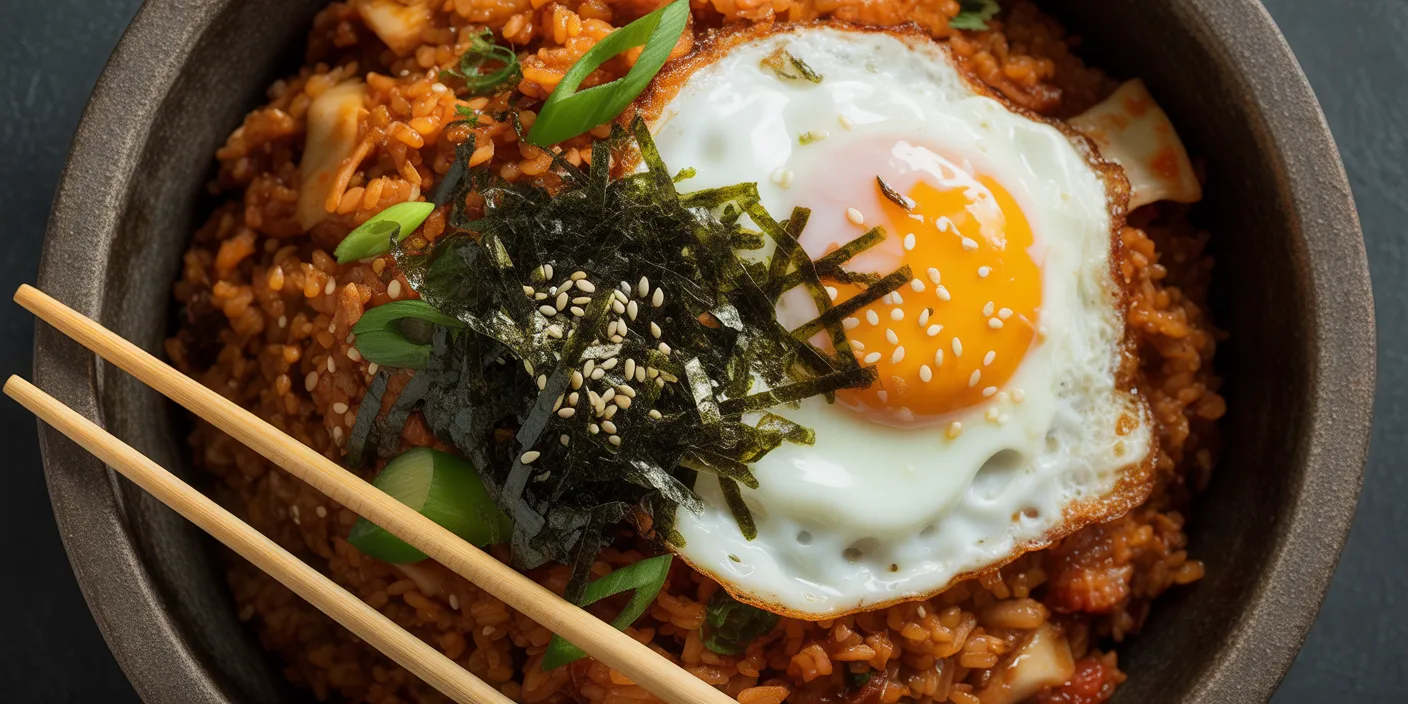
Prep Time: 5 minutes | Cook Time: 10 minutes | Serves: 2
The best use of leftover rice and aged kimchi. The sour, fermented kimchi caramelizes in the pan with butter and creates a deeply savory base that no other fried rice can match.
Ingredients
- 2 cups cooked rice (day-old rice works best — less moisture)
- 1 cup kimchi, chopped, plus 3 tbsp kimchi juice
- 2 tbsp unsalted butter
- 1 tbsp sesame oil
- 1 tbsp gochujang
- 1 tbsp soy sauce
- ½ cup spam or ham, diced (optional but classic)
- 2 eggs
- 2 sheets seaweed (nori), crumbled
- Sesame seeds and spring onions for garnish
Instructions
Heat butter in a wok or large skillet over high heat until it foams and starts to brown.
Add spam or ham and sear until golden on the edges. Add kimchi and stir-fry 2–3 minutes until the kimchi darkens and smells sweet and caramelized.
Add gochujang and stir for 30 seconds. Add the rice, breaking up any clumps. Stir-fry vigorously on high heat for 3–4 minutes — you want some rice grains to crisp against the pan.
Add kimchi juice, soy sauce, and sesame oil. Toss to combine. Taste and adjust.
Push rice to the side. Fry two eggs in the cleared space until whites are set but yolks are still runny.
Serve rice topped with the fried egg, crumbled nori, sesame seeds, and spring onions.
Korean Corn Cheese
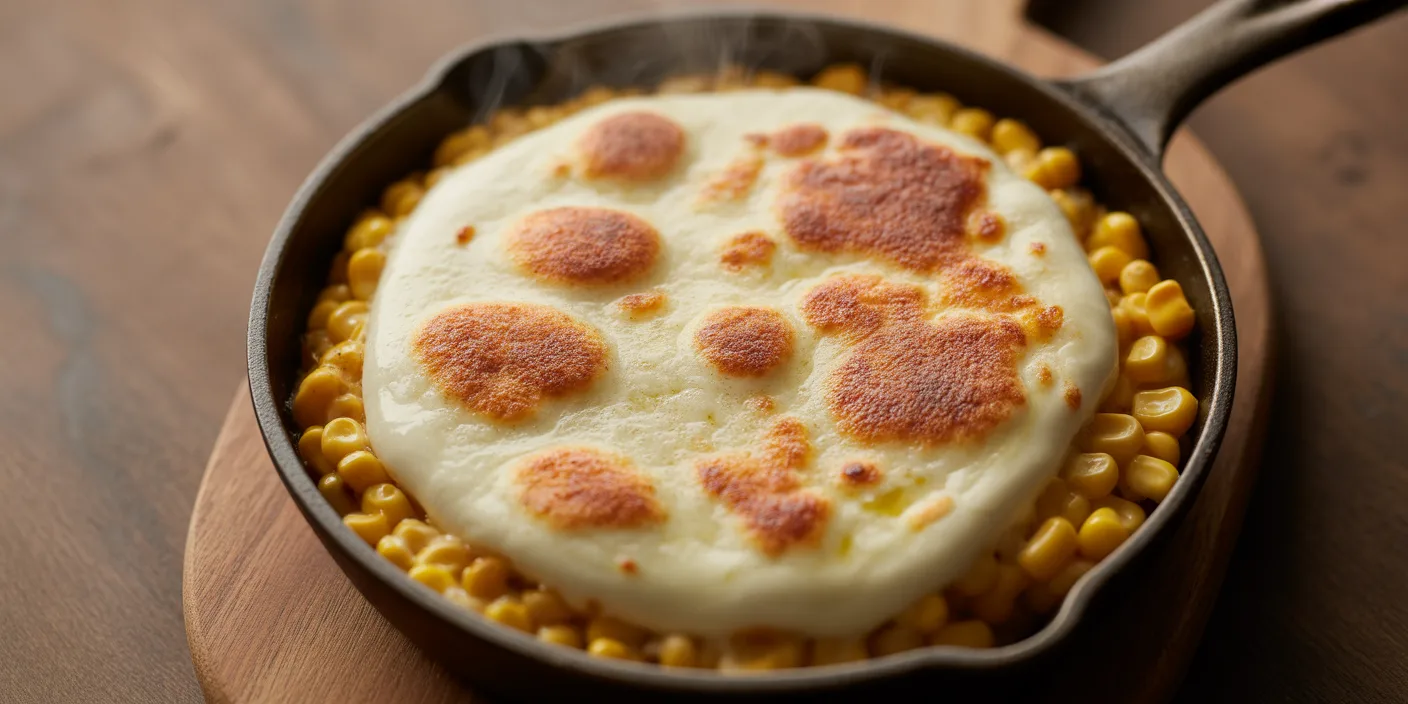
Prep Time: 5 minutes | Cook Time: 10 minutes | Serves: 4
One of the most popular Korean café side dishes — sweet corn mixed with mayonnaise, butter, and sugar, topped with mozzarella and broiled until bubbly and golden. Dangerously addictive.
Ingredients
- 2 cans (340g each) sweet corn, well drained
- 3 tbsp mayonnaise (Kewpie preferred)
- 1 tbsp unsalted butter
- 1 tsp sugar
- ½ tsp salt
- 1 cup shredded mozzarella
Instructions
Mix drained corn with mayonnaise, melted butter, sugar, and salt.
Pour into a small oven-safe skillet or baking dish. Top generously with mozzarella.
Broil 5–7 minutes until the cheese is bubbling and golden in patches.
Serve immediately in the pan — the cheese must be stretchy and hot.
Japchae (Glass Noodle Stir-Fry)
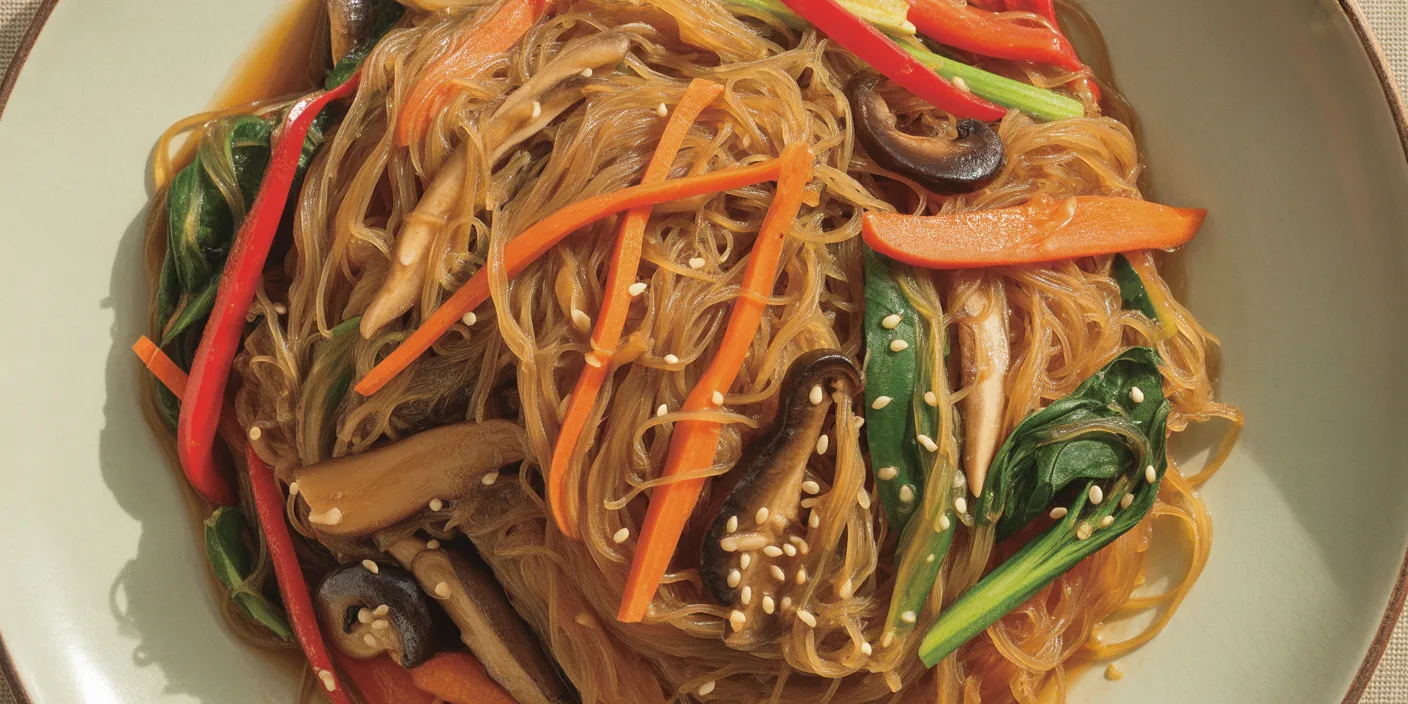
Prep Time: 20 minutes | Cook Time: 20 minutes | Serves: 4
Silky sweet potato glass noodles tossed with colorful vegetables and marinated beef in a slightly sweet, savory soy sauce. One of Korea’s most elegant dishes — and completely stunning when plated.
Ingredients
- 200g dangmyeon (sweet potato glass noodles)
- 150g beef sirloin, very thinly sliced
- 1 cup spinach, blanched and squeezed dry
- 1 medium carrot, julienned
- 1 red bell pepper, thinly sliced
- 4 dried shiitake mushrooms, rehydrated and sliced
- 3 spring onions, cut into 2-inch pieces
- Sesame seeds and sesame oil for finishing
For the sauce:
- 4 tbsp soy sauce
- 2 tbsp sugar
- 1 tbsp sesame oil
- 2 garlic cloves, minced
- Black pepper to taste
Instructions
Marinate beef in 2 tbsp soy sauce, 1 tbsp sugar, 1 tsp sesame oil and garlic for 15 minutes.
Boil noodles according to package directions. Drain, rinse in cold water, and cut into manageable lengths with scissors. Toss with 1 tbsp soy sauce and 1 tsp sesame oil to prevent sticking.
Stir-fry each vegetable separately in a lightly oiled pan with a pinch of salt until just cooked. Set each aside.
Cook the marinated beef until caramelized.
In a large bowl or wok, combine noodles, all vegetables, and beef. Add remaining sauce ingredients and toss to combine everything evenly.
Finish with sesame seeds and a generous drizzle of sesame oil. Serve warm or at room temperature.
Korean Egg Drop Toast (Gyeran Tost)
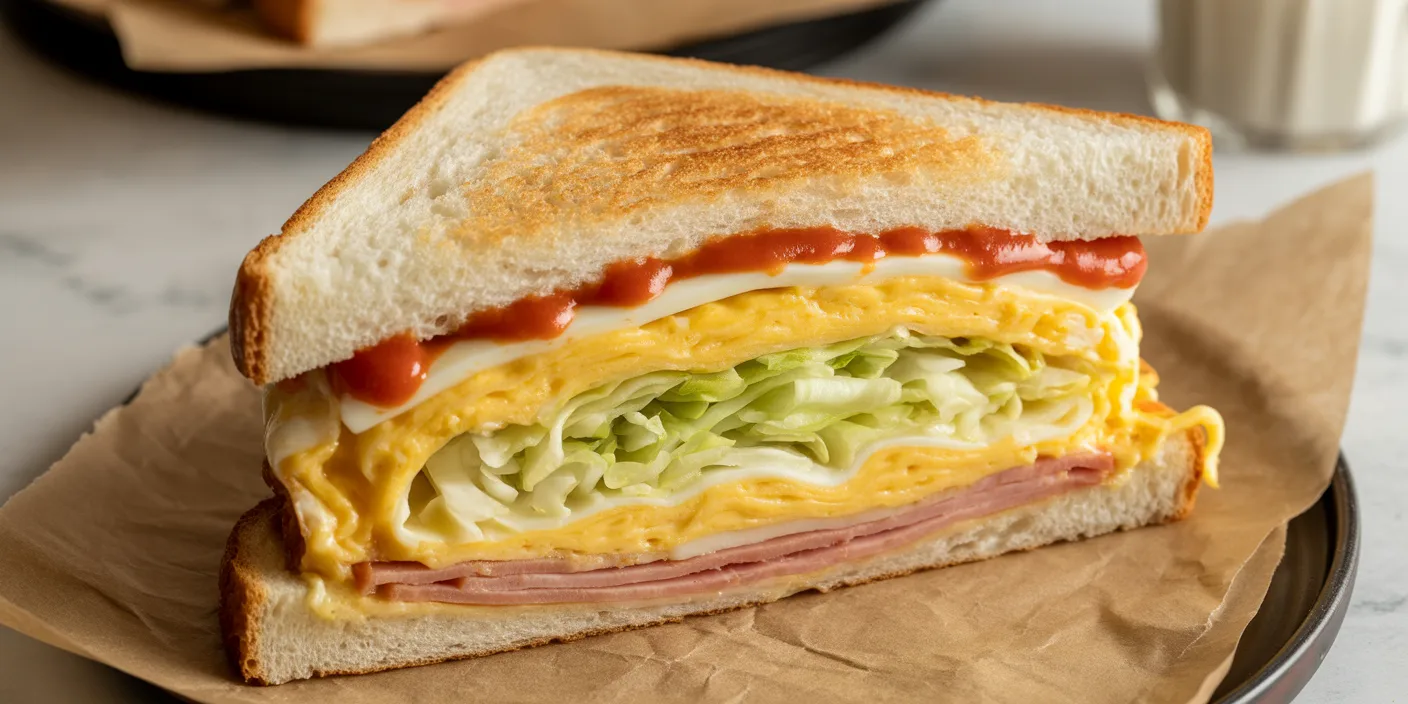
Prep Time: 5 minutes | Cook Time: 8 minutes | Serves: 1
The most iconic Korean street breakfast — thick toast filled with egg, ham, cheese, cabbage, and a sweet-savory sauce. It sounds simple but the combination of sweet, savory, and buttery is genuinely extraordinary.
Ingredients
- 2 thick slices white bread
- 2 large eggs
- ¼ cup shredded cabbage
- 1 slice ham
- 1 slice American cheese
- 2 tbsp unsalted butter
- 1 tsp sugar
- Salt and pepper to taste
For the sauce (spread on the bread):
- 1 tbsp ketchup
- 1 tsp yellow mustard
- ½ tsp sugar
Instructions
Beat eggs with shredded cabbage, salt and pepper.
Melt butter in a pan over medium heat. Pour in the egg mixture and shape into a rectangle roughly the same size as the bread. Don’t scramble — let it set like a flat omelette.
While still slightly wet on top, fold into thirds to make a thick egg “patty.” Remove.
Toast bread in the buttery pan until deeply golden. Spread both slices with the sauce mixture.
Layer on the ham, cheese, and egg patty. Sprinkle a small pinch of sugar directly on the egg — this is the signature Korean touch. Sandwich together, cut in half diagonally.
Bibimbap
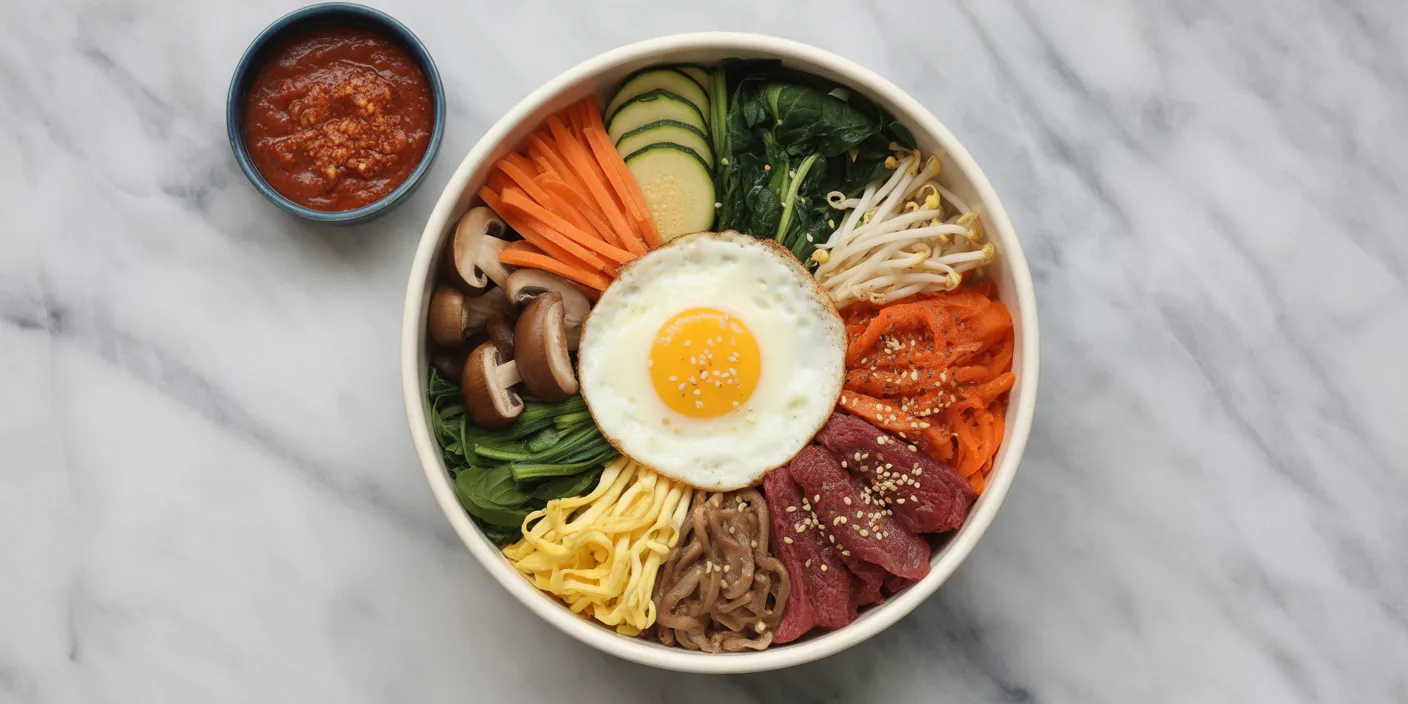
Prep Time: 30 minutes | Cook Time: 15 minutes | Serves: 2
The most visually stunning bowl in Korean cuisine — rainbow vegetables, beef, a fried egg, and gochujang sauce arranged in separate sections over rice. When you mix it at the table, the colors swirl together into something completely different.
Ingredients
- 2 cups cooked short-grain white rice (warm)
- 100g ground beef or thinly sliced sirloin
- 1 cup spinach, blanched and seasoned with sesame oil and salt
- 1 medium carrot, julienned and lightly sautéed
- 1 cup bean sprouts, blanched
- 4 dried shiitake mushrooms, rehydrated and sautéed
- 1 cup zucchini, julienned and sautéed
- 2 eggs, fried sunny-side up
- 1 tbsp sesame oil + sesame seeds for garnish
Bibimbap sauce:
- 3 tbsp gochujang
- 1 tbsp sesame oil
- 1 tbsp sugar
- 1 tbsp soy sauce
- 1 tsp vinegar
- 1 tsp minced garlic
Instructions
Cook each vegetable separately with a little sesame oil and salt. Prepare them and set aside in separate piles.
Cook beef with soy sauce, sesame oil, garlic and sugar until caramelized.
Place rice in the center of each bowl. Arrange all vegetables and beef in separate sections around and on top of the rice, like a color wheel. Place the fried egg in the center.
Drizzle sesame oil over the top. Sprinkle sesame seeds. Serve with bibimbap sauce on the side.
At the table, add the sauce and mix everything together vigorously until completely combined. The sauce should coat every grain of rice.
Dakgalbi (Spicy Stir-Fried Chicken)
Prep Time: 20 minutes (plus 30 min marinade) | Cook Time: 15 minutes | Serves: 3
Boneless chicken thighs marinated in a bold gochujang sauce, stir-fried with sweet potatoes, cabbage, and rice cakes. One of the most flavor-packed Korean dishes you can make at home.
Ingredients
- 600g (1.3 lb) boneless chicken thighs, cut into bite-sized pieces
- 150g tteok (rice cakes)
- 2 cups cabbage, roughly chopped
- 1 medium sweet potato, thinly sliced
- 2 spring onions, sliced
- Sesame seeds for garnish
For the marinade:
- 3 tbsp gochujang
- 1 tbsp gochugaru
- 2 tbsp soy sauce
- 1 tbsp sesame oil
- 1 tbsp sugar
- 1 tbsp rice wine (mirin or sake)
- 3 garlic cloves, minced
- 1 tsp grated ginger
Instructions
- Combine all marinade ingredients. Add chicken pieces and toss to coat. Marinate at least 30 minutes, up to overnight.
- Heat a large skillet or grill pan over high heat with a thin layer of oil. Add sweet potato slices and cook 3 minutes per side.
- Add marinated chicken and tteok. Stir-fry on high heat without disturbing for 2 minutes to get caramelization, then stir and continue cooking.
- Add cabbage and spring onions. Stir-fry until chicken is cooked through and everything is deeply glazed — about 8–10 minutes total.
- Serve directly in the pan or on a wide plate, scattered with sesame seeds.
Korean Fried Chicken (Dakgangjeong)
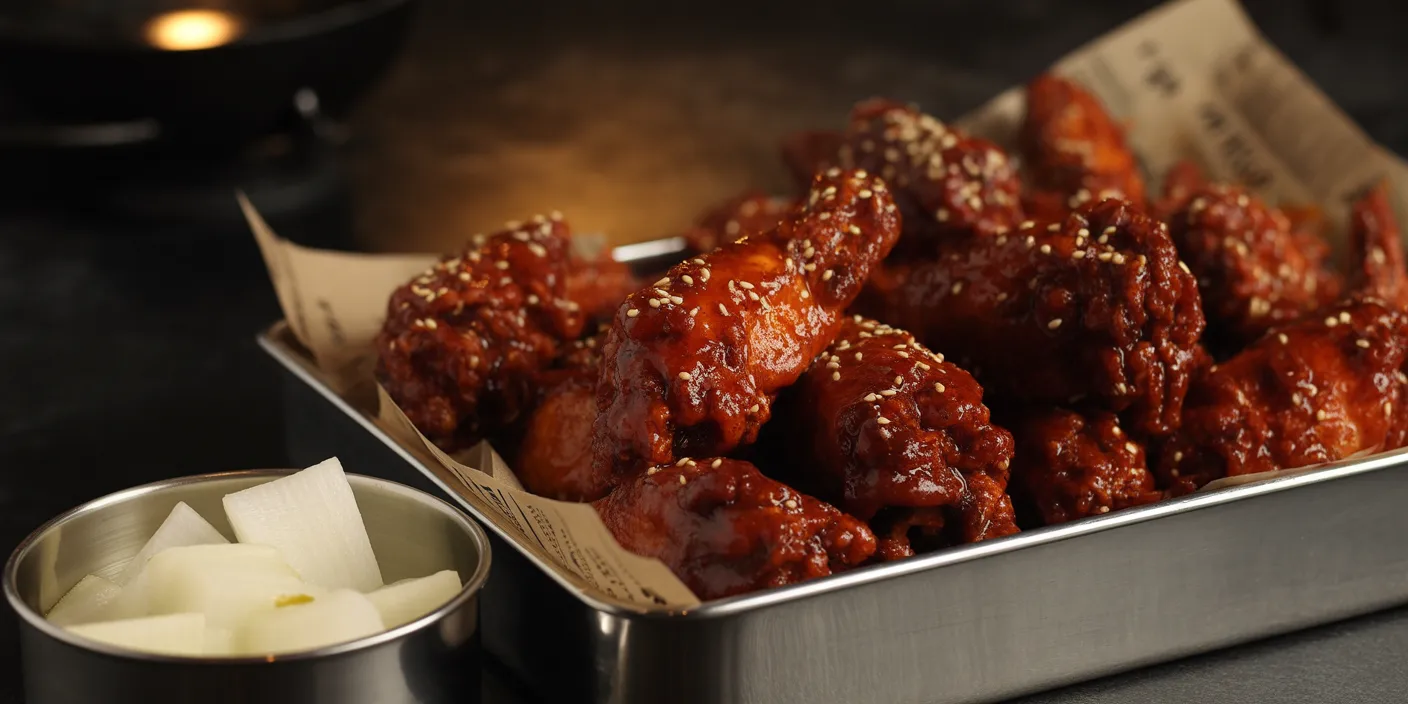
Prep Time: 20 minutes | Cook Time: 25 minutes | Serves: 4
Double-fried for maximum crunch, then tossed in a sticky sweet-spicy soy glaze. Korean fried chicken has a completely different texture from Western-style — it’s thinner, crispier, and stays crunchy even after being sauced.
Ingredients
- 1 kg (2.2 lb) chicken wings or drumettes
- ½ cup potato starch (or cornstarch)
- ½ cup all-purpose flour
- 1 tsp salt + 1 tsp black pepper
- 1 tsp garlic powder
- Oil for deep frying
For the glaze:
- 3 tbsp soy sauce
- 2 tbsp gochujang
- 2 tbsp honey
- 1 tbsp rice syrup or corn syrup
- 1 tbsp sugar
- 1 tbsp rice wine vinegar
- 3 garlic cloves, minced
- 1 tsp sesame oil
Instructions
- Pat chicken completely dry. Mix potato starch, flour, salt, pepper and garlic powder. Coat chicken pieces thoroughly.
- Heat oil to 325°F (165°C). Fry chicken in batches for 8 minutes — it won’t be fully golden yet. Remove and let rest 5 minutes.
- Increase oil to 375°F (190°C). Fry chicken a second time for 4–5 minutes until deep golden and extremely crunchy. Drain on a wire rack (not paper towels — steam makes it soggy).
- While chicken fries, combine all glaze ingredients in a saucepan. Simmer 3–4 minutes until slightly thickened.
- Toss hot fried chicken in the glaze until every piece is coated. Serve immediately with pickled radish on the side.
Sundubu Jjigae (Soft Tofu Stew)
Prep Time: 10 minutes | Cook Time: 20 minutes | Serves: 2
A bubbling, fiery stew with silken tofu that trembles when you tap the bowl, clams or shrimp, and a deeply savory gochugaru broth. The egg cracked in at the end finishes cooking in the residual heat of the broth.
Ingredients
- 1 tube (400g) silken soft tofu (sundubu)
- 150g clams, cleaned (or shrimp, or pork belly slices)
- 3 tbsp gochugaru (adjust to taste)
- 2 tbsp sesame oil
- 1 tbsp soy sauce
- 2 cups anchovy or kelp broth
- 4 garlic cloves, minced
- ½ onion, finely diced
- 2 spring onions, sliced
- 1 egg
- Salt to taste
Instructions
- Heat sesame oil in a small clay pot or deep saucepan over medium heat. Add onion and garlic and sauté 2 minutes.
- Add gochugaru and stir for 30 seconds to bloom the spice in the oil. This is where the deep red color comes from.
- Add broth and soy sauce. Bring to a boil. Add clams or shrimp and cook 2 minutes.
- Gently slide tofu into the stew in large chunks — don’t break it up too much. Simmer 5 minutes.
- Crack the egg directly into the center of the stew. Do not stir. Let it poach for 1–2 minutes in the hot broth.
- Add spring onions. Taste and adjust salt. Serve immediately while still bubbling, with a bowl of white rice alongside.
Gamja Jorim (Braised Potatoes)
Prep Time: 5 minutes | Cook Time: 20 minutes | Serves: 4
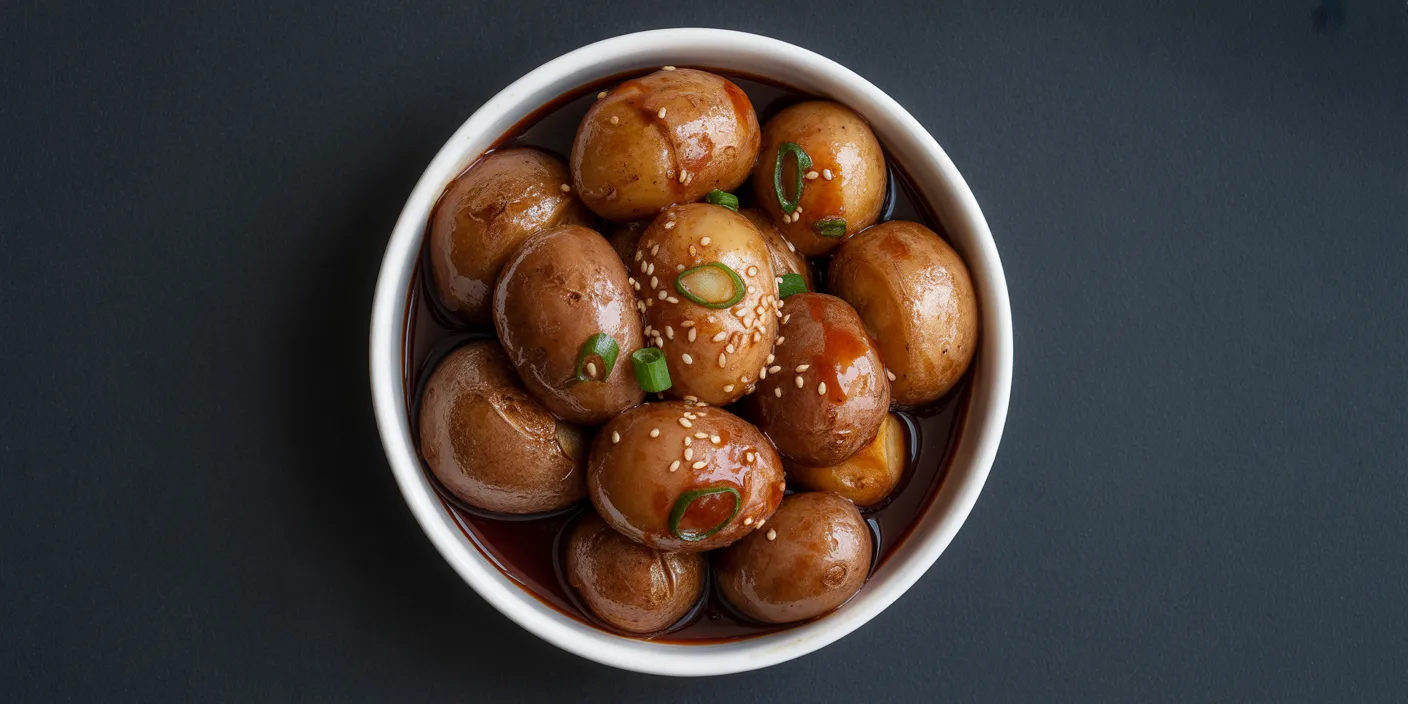
One of Korea’s most beloved banchan (side dishes) — small potatoes braised in a soy-honey-gochujang sauce until sticky, glazed, and deeply caramelized. They look like jewels and taste even better.
Ingredients
- 500g (1 lb) baby potatoes, halved
- 3 tbsp soy sauce
- 2 tbsp honey or rice syrup
- 1 tbsp gochujang (or skip for a mild version)
- 1 tbsp sesame oil
- 1 tbsp sugar
- 2 garlic cloves, minced
- 1 cup (240ml) water
- Sesame seeds and spring onions for garnish
Instructions
Add potatoes and water to a wide pan. Bring to a boil and cook 10 minutes until potatoes are just fork-tender. Drain most of the water, leaving about 3 tablespoons.
Add soy sauce, honey, gochujang, sugar and garlic. Stir to coat all potatoes.
Cook over medium-high heat, stirring frequently, until the sauce reduces completely and glazes every potato — about 8–10 minutes. The sauce should look shiny and lacquered, not wet.
Finish with sesame oil, sesame seeds and sliced spring onions.
Korean Strawberry Milk

Prep Time: 15 minutes | Serves: 2
The Korean café drink that looks like a painting. Fresh strawberries crushed with sugar, layered with cold milk in a tall glass so the pink bleeds upward in wisps. Beautiful to make, even better to drink.
Ingredients
- 200g (1½ cups) fresh strawberries, hulled and halved
- 3 tbsp sugar (adjust to the sweetness of your strawberries)
- 1 cup whole milk or oat milk, very cold
- Ice cubes
Instructions
Add strawberries and sugar to a bowl. Mash with a fork until you have a chunky, slightly syrupy mixture — some texture is good, don’t make it smooth.
Let the mixture sit 5 minutes. The sugar draws out the strawberry juices and creates a natural syrup.
Spoon the strawberry mixture into the bottom of a tall glass, filling about a quarter of the glass.
Add ice cubes. Pour cold milk slowly over the back of a spoon so it layers gently on top of the strawberries without fully mixing.
Stir very gently just once at the table so the pink bleeds into the milk in wisps. Serve immediately.
Why Korean Café Food Works for Home Cooking
Korean café dishes are built on a small set of key ingredients — gochujang, sesame oil, soy sauce, garlic — that create bold, layered flavors when combined correctly. Once you have those in your pantry, the range of dishes you can make expands dramatically.
The aesthetic comes from technique: high heat for caramelization, rice syrup for that glossy finish, separately cooked components that come together on the plate.
These aren’t shortcuts — they’re the specific steps that make the food look and taste as good as it does.
Stock your pantry with gochujang, gochugaru, sesame oil, soy sauce, and rice cakes. The rest follows naturally.