
Picture this: you’re heading out for brunch, your hands are full, and you fumble for your keys like it’s a ritual you learned from a sitcom. Or worse — you circle back at night like “did I LOCK the door?!” and now you’re stuck outside scrolling your phone to prove you did it.
This exact scenario is why smart locks are blowing up right now — they’re basically turning your front door into part of your smartphone ecosystem.
But hold up. Are smart locks actually better than classic, traditional locks? What do you gain and what do you risk? And is the upgrade worth it for your life, budget, and lifestyle?
Let’s break it down in a way that actually makes sense — no tech-bro jargon, no security fear tactics. Just real differences, real pros and cons, and real products you can actually buy.
What’s the Difference Between Smart and Traditional Locks?
First, let’s get clear on how these two lock types actually operate.
A traditional lock is your old-school deadbolt that uses a physical key and mechanical tumblers to secure your door. It’s simple, reliable, and very familiar.
A smart lock uses electronics to lock and unlock your door — via a smartphone app, keypad code, fingerprint, or even voice commands. Smart locks may connect over Wi-Fi, Bluetooth, or other wireless tech, and sometimes integrate with your smart home platform.
The big question is: do the high-tech bells and whistles actually add value, or are they just a fancy way to lock your door?
Quick Comparison Table
| Feature | Smart Lock | Traditional Lock |
|---|---|---|
| Convenience | Super high — keyless, remote control | Basic — physical key only |
| Security Features | Alerts, codes, biometrics, remote access | Solid mechanical protection |
| Power Dependency | Needs batteries / power | No power needed |
| Vulnerability | Risk of hacking if misconfigured | Risk of lock picking |
| Cost | Higher upfront | Lower upfront |
| Integration | Works with smart homes | Standalone |
| Best for | Tech-savvy, busy lifestyles | Simplicity, reliability |
Why People Love Smart Locks (And Why It Actually Matters)
Smart locks bring a bunch of modern conveniences most traditional locks just don’t offer.
Keyless entry is life-changing
No more digging for your keys in a purse or backpack — you can unlock with your phone, a code, or even a fingerprint. If you’ve ever been late and cursed your keys, you already know how fire this feature is.
Remote locking and monitoring
Leaving town? You can lock your door from miles away. Want to let a friend or dog walker in while you’re at work? You can share temporary access codes that expire when needed.
Activity tracking and alerts
You can see when your door was locked or unlocked — no more guessing if you left it open. Some smart locks even alert you if someone tries to tamper with the entry.
Integration with your smart home
If you already use voice assistants or home automation, smart locks fit right in. “Lock the front door” can be a voice command. Or part of a bedtime routine that also turns off lights and adjusts the thermostat.
No key duplicating drama
Traditional locks can be picked or have keys copied without you knowing. Smart locks use encryption and codes so you rarely need to worry about spare keys floating around.
So sure, smart locks sound cool — but these features can actually simplify your life if you’re into tech, travel often, or just want peace of mind.
But Smart Locks Aren’t All Unicorns 🦄
It’s important to keep it real: smart locks have some downsides too.
They rely on batteries or power
If the battery dies and you forgot to check it, you could be locked out or scrambling. Batteries typically last months, but you have to monitor them — which is a habit many people slip on.
They connect to networks
That means remote access, which is awesome… but also means more complexity. There’s a small risk of hacking if you don’t keep your firmware updated or use good passwords.
Price is higher
Smart locks generally cost more than traditional deadbolts — sometimes significantly more. Installation can also be more complex.
They depend on tech that can glitch
Apps crash, Bluetooth can misbehave, Wi-Fi drops — and when it’s your door, that’s not an annoyance, it’s a real thing test users mention.
Traditional locks? They don’t need apps, power, or firmware. Turn the key and boom — locked. That reliability is a big reason some people never switch.
Traditional Locks Still Have Big Wins
Simplicity is underrated. Traditional locks are straightforward: no batteries, no apps, no software updates. You barely have to think about them.
They’re also much cheaper up front and are easier to install DIY — no wiring or setup hassles.
And for many homeowners or renters, that simplicity is exactly what they want. You don’t get notifications or remote access, but you do get a basic mechanical lock that just works season after season.
So… Is the Smart Lock Upgrade Worth It?
Yes — if you want convenience, connectivity, and modern features that make everyday life easier.
A smart lock isn’t just a fancy deadbolt — it’s a home security hub that lets you manage access, monitor activity, and control your locks from anywhere.
But if your goal is simple, reliable, low cost, low maintenance security, a traditional lock still delivers exactly that without tech drama or batteries.
There’s no universal “better.” It’s all about how you live.
Our top pick for overall smart lock performance
Next x Yale Smart Lock
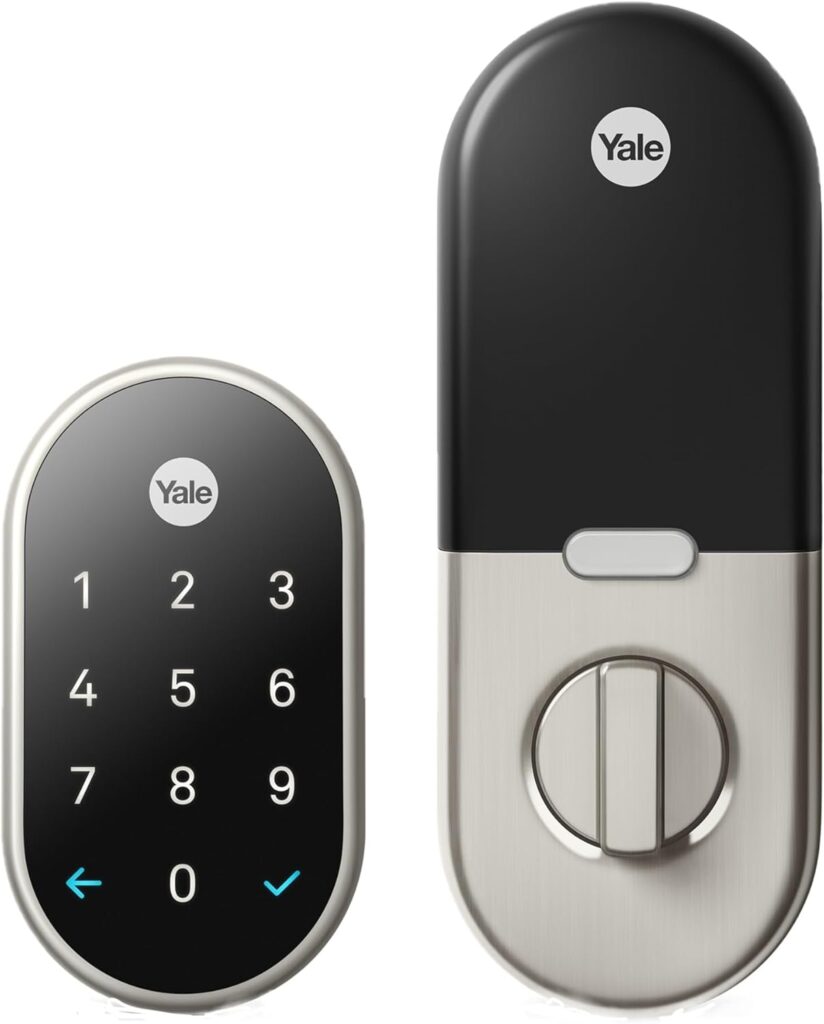
Why this is a standout:
- Keyless locking via app and keypad
- Works with voice assistants and smart hubs
- Remote control and guest access
- Solid balance of features and reliability
- Excellent smart home compatibility
This is ideal if you want a versatile smart lock that feels like a real upgrade from everyday life.
Our top pick for a budget-friendly smart lock
Desloc D110 Plus Smart Door Lock
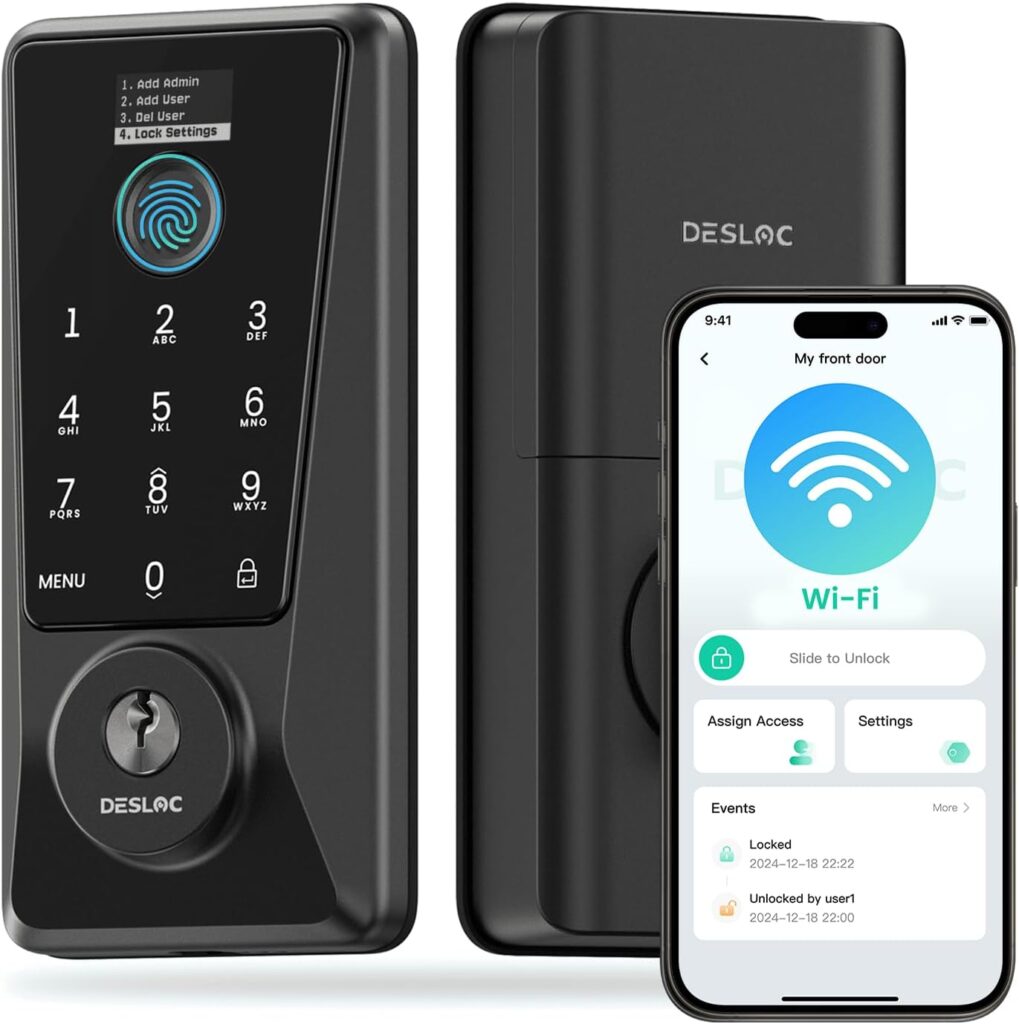
Why this is a great budget pick:
- Wi-Fi connectivity and app control
- Fingerprint + keypad + key access
- Automatic locking and event history
- Easy installation and solid performance
If you’re curious about the smart lock life without dropping big cash, this gives you tons of high-value features.
Our top pick for traditional lock reliability
Schlage Encode Deadbolt
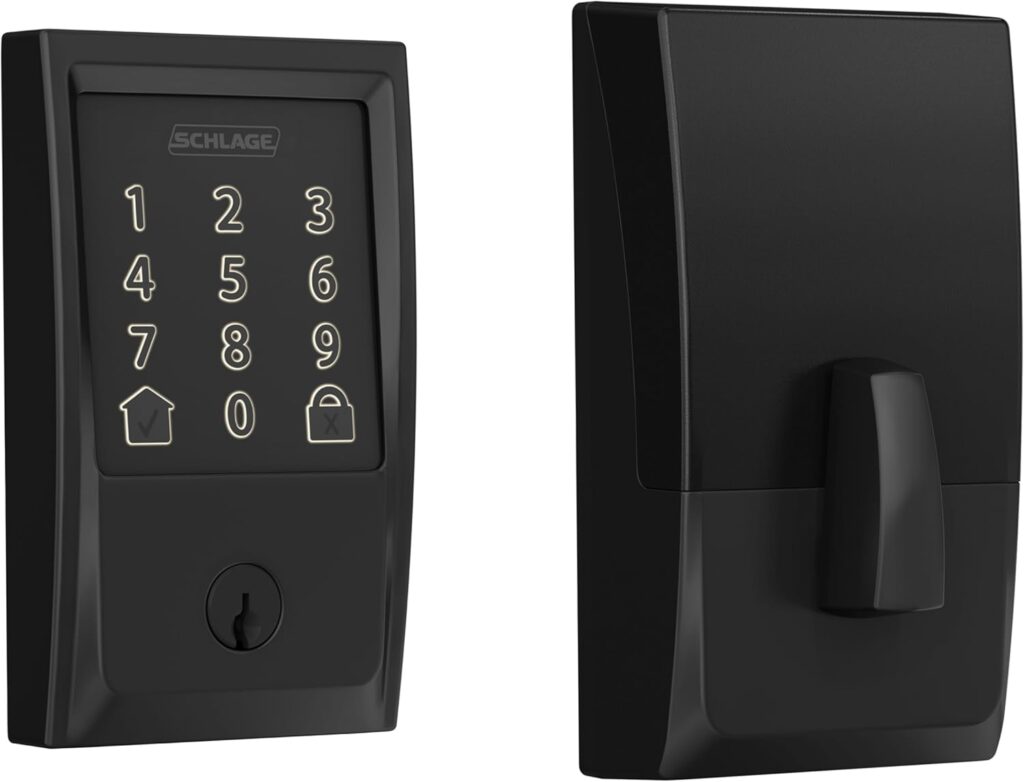
Why it’s a classic:
- Strong mechanical deadbolt design
- Easy to install and long-lasting
- Trusted brand with high security ratings
- No batteries or apps needed
This is the pick if simplicity and peace of mind are your priorities.
Final Thoughts — TL;DR
Smart locks bring:
- Convenience (keyless entry, remote control)
- Modern access management
- Integration with smart homes
- Alerts and activity logs
Traditional locks bring:
- Simplicity and reliability
- Lower cost
- No batteries or tech dependency
The upgrade is worth it if you value control, convenience, and connectivity.
But if you just want a lock that works with zero maintenance forever, traditional locks still rock.
Technology isn’t always better — it’s just different. Your lock should match your lifestyle, not the hype.