How Many Watts for Kitchen Lighting? The Complete Wattage Guide
Quick Answer: How Many Watts Does a Kitchen Need?
For general lighting, use 1.5 watts per square foot; for task-heavy lighting, 2.5 watts per square foot. Most kitchens land around 5,000–10,000 lumens total — and because LEDs are so efficient, that’s only about 8–15W per bulb.
- General lighting1.5 W/sq ft
- Task lighting2.5 W/sq ft
- Total brightness5,000–10,000 lm
- Main LED bulb8–15W (60–100W eq.)
- Best colour temp3500–4000K
- Under-cabinet4–10W per foot
Good kitchen lighting isn’t just about seeing your food — it’s about safety, precision, and a space that feels good to work in. Too dim and you’ll squint and slice unevenly; too bright and the room feels sterile. This guide shows you exactly how to hit the sweet spot: the wattage formula, a live calculator, a wattage chart for every fixture, and the right bulbs for each zone.
How to Calculate Watts (or Lumens) for Your Kitchen
Two quick steps get you a reliable number:
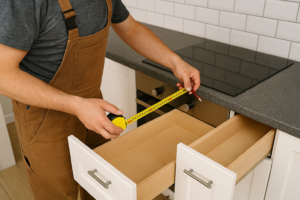
- Measure your kitchen — Length × Width in feet = area in square feet.
- Multiply by your lighting factor — 1.5 W/sq ft for general lighting, or 2.5 W/sq ft for task lighting.
Kitchen Wattage Calculator
Enter your kitchen size and lighting type for an instant estimate of the wattage and lumens you need.
Calculator not showing a result? Use the formula above: area × 1.5 (general) or × 2.5 (task).
Kitchen Lighting Wattage Chart (by Fixture)
Not sure what wattage a specific fixture needs? Here’s the quick reference — all in LED-equivalent terms, since that’s what you’ll actually buy.
| Fixture / Zone | LED Watts | Equivalent | Lumens (each) |
|---|---|---|---|
| Recessed / ceiling (general) | 9–15W | 60–100W | 800–1,600 |
| Island pendant (single) | 8–12W | 60–100W | 800–1,100 |
| Island pendant (per light, 3+) | 5–8W | 40W | 450–800 |
| Over-the-sink light | 8–12W | 60–75W | 800–1,100 |
| Hood / stove light | 5–8W | 40–60W | 450–800 |
| Chandelier bulb (E12, each) | 4.5–6W | 40–60W | 450–800 |
| Under-cabinet strip / bar | 4–10W per ft | — | 300–600 / ft |
| Puck light (each) | 3–5W | 25–40W | 200–400 |
| Track / spot head | 5–7W | 35–50W | 400–600 |
| 4ft tube (T8 replacement) | 15–20W | 32–40W fluor. | 2,000–2,200 |
| Floodlight (broad coverage) | 11–15W | 75–100W | 1,100–1,600 |
Lighting Zones in the Kitchen
For full coverage with no dark corners, layer four zones — each may need a different wattage, and task areas should always be brighter than ambient ones.
Ambient / General
Ceiling fixtures and recessed lights that cover the whole room. This is your 1.5 W/sq ft baseline.
Task
Under-cabinet lights and pendants over counters — focused, brighter light for cutting boards, stoves and the sink.
Accent
Above-cabinet or toe-kick lighting that adds depth and highlights decor. Low wattage, all mood.
Decorative
Chandeliers and designer pendants where style meets light. Often on a dimmer for flexibility.
Kitchen Island & Pendant Wattage
Over an island, aim for 60–100W-equivalent LEDs total. A single pendant should sit at the brighter end (75–100W eq.); with three pendants you can drop to about 40W-equivalent each. So is 40 watts enough above an island? Yes — as long as you’ve got more than one fixture. A dimmer lets your island shift from bright-and-functional (chopping) to low-and-cozy (evening). A clean pick is the UnicozoHome pendant, and for a fuller run see the best kitchen island lighting fixtures.
Over-the-Sink & Hood Lighting
At the sink, a single pendant or ceiling light works best at 60–75W-equivalent LED (about 800–1,100 lumens); with multiple recessed fixtures, 40–60W-equivalent each is plenty. For the range hood, a 40–60W-equivalent LED (≈450–800 lumens) is enough at home — commercial kitchens jump to 75–100W-equivalent for serious visibility.
Kitchen Chandelier Wattage
Chandeliers over an island or breakfast table almost always use small E12 candelabra bulbs. The right wattage is 40–60W-equivalent per bulb (about 4.5–6W in LED). A typical 5–6 bulb fixture then totals roughly 250–360W-equivalent — bright enough for a dining zone, and best on a dimmer so it can go soft for dinner. Fill it with warm 2700K TJOY candelabra bulbs, and if you’re shopping the fixture itself, the Lynnoland 6-light chandelier is an easy no-assembly option.
Fluorescent & Tube Light Wattage (T8 / T5 / T12)
Older kitchens often have 4-foot fluorescent tubes. A standard fluorescent T8 tube runs 32–40W; the LED replacement is only 15–20W for the same 2,000–2,200 lumens — and no flicker or hum. If you’re swapping tired tubes, the Parmida LED T8 tubes drop straight into most fixtures (plug-and-play or ballast-bypass). Want a whole new fixture instead? The Barrina T5 shop light is a bright, linkable option for overhead or under-shelf task light.
Under-Cabinet, Spot & Track Lighting
These are the unsung heroes — without them your countertop is shadow central.
- LED strips or bars: 4–10 watts per foot — super efficient continuous glow.
- LED puck lights: 3–5 watts each — perfect for individual task zones.
- Spots / track heads: 35–50W-equivalent (5–7W LED) aimed at the sink or cutting board.
- Floodlights: 75–100W-equivalent (11–15W LED) for broad, bright coverage.
Mix strips (for glow) with spots (for precision) and you’ll have no shadows and no stress. The mirrea track heads are great for aiming light exactly where you prep, and there’s more in our guide to the best under-cabinet lighting. Choosing recessed cans? See what size recessed lights for the kitchen.
Choosing the Right Kelvin & Wattage Combo
Wattage sets brightness; Kelvin (K) sets the vibe — both matter.
- 2700K–3000K (warm): cozy, homey — great for dining zones.
- 3500K–4000K (neutral): crisp and balanced — the best all-round kitchen choice.
- 5000K–6500K (daylight): bright and clinical — ideal over task areas.
Pair 60–75W-equivalent LEDs with 3500–4000K for that bright-yet-natural sweet spot. Want one bulb that does all three? A smart bulb like the Govee smart bulbs lets you dial colour temperature from warm to daylight on demand — see more in top smart lights for kitchens.
Bulb Types & Wattage Comparison
Always compare lumens, not watts, when switching between bulb types — a 15W LED can shine as bright as a 100W incandescent.
| Bulb Type | Wattage | Lumens | Lifespan | Efficiency |
|---|---|---|---|---|
| Incandescent | 60–100W | 800–1,600 | 1,000 hrs | Low |
| Halogen | 50–70W | 1,000–1,500 | 2,000 hrs | Moderate |
| CFL | 13–30W | 800–1,600 | 8,000 hrs | Better |
| LED | 10–20W | 800–1,800+ | 15,000–25,000 hrs | Best |
Recommended Bulbs & Fixtures
Here are solid, well-reviewed picks for each kitchen zone — matched to the wattages above.
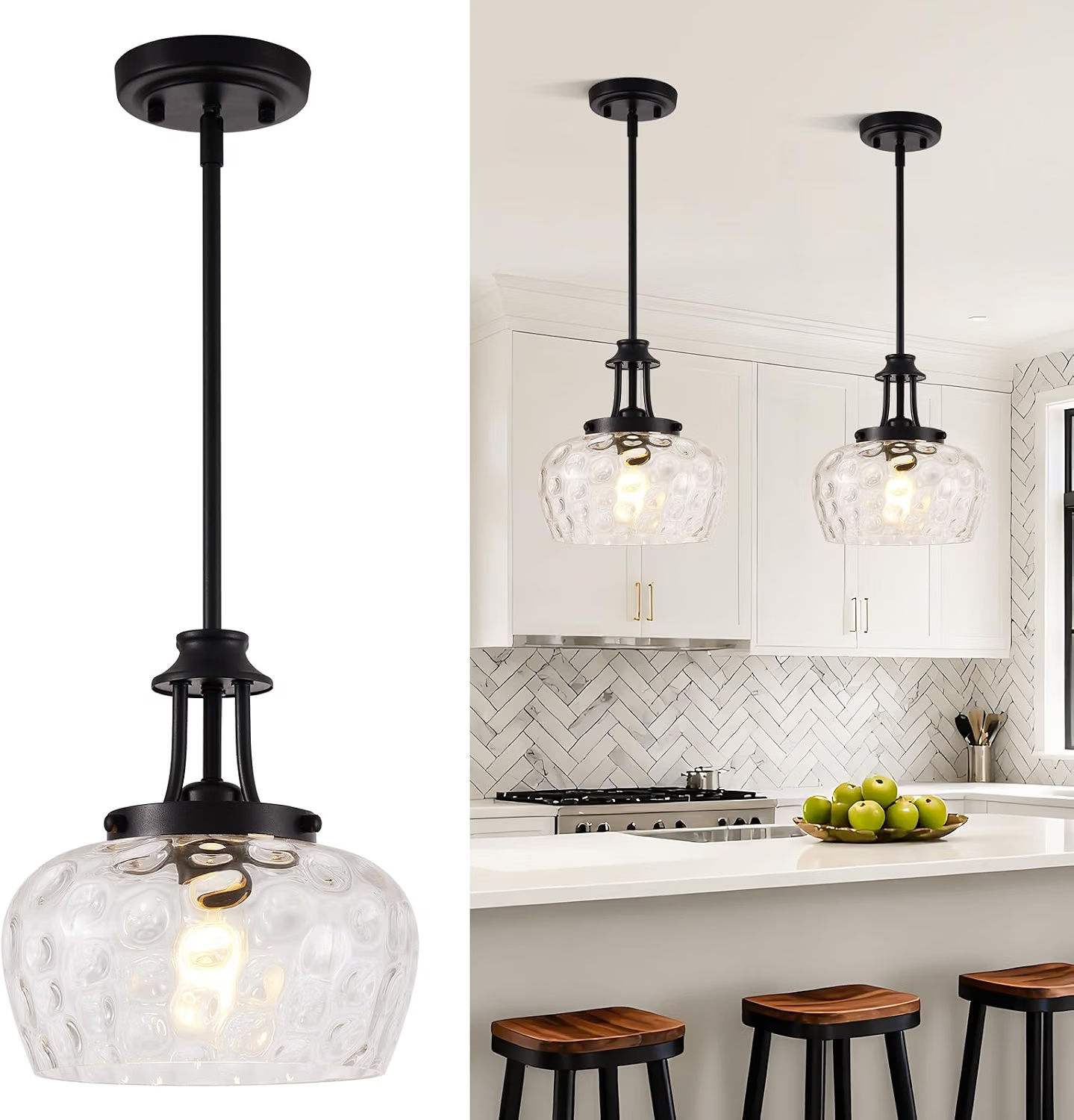
UnicozoHome Matte Black Pendant (10″ Hammered Glass)
A single-bulb pendant with a clear hammered-glass shade, adjustable 15″–56″, E26 socket (works with any LED or vintage bulb). Installs in about 10 minutes on flat or sloped ceilings.
Best for: hanging over a kitchen island or sink.
Check Pendant Price on Amazon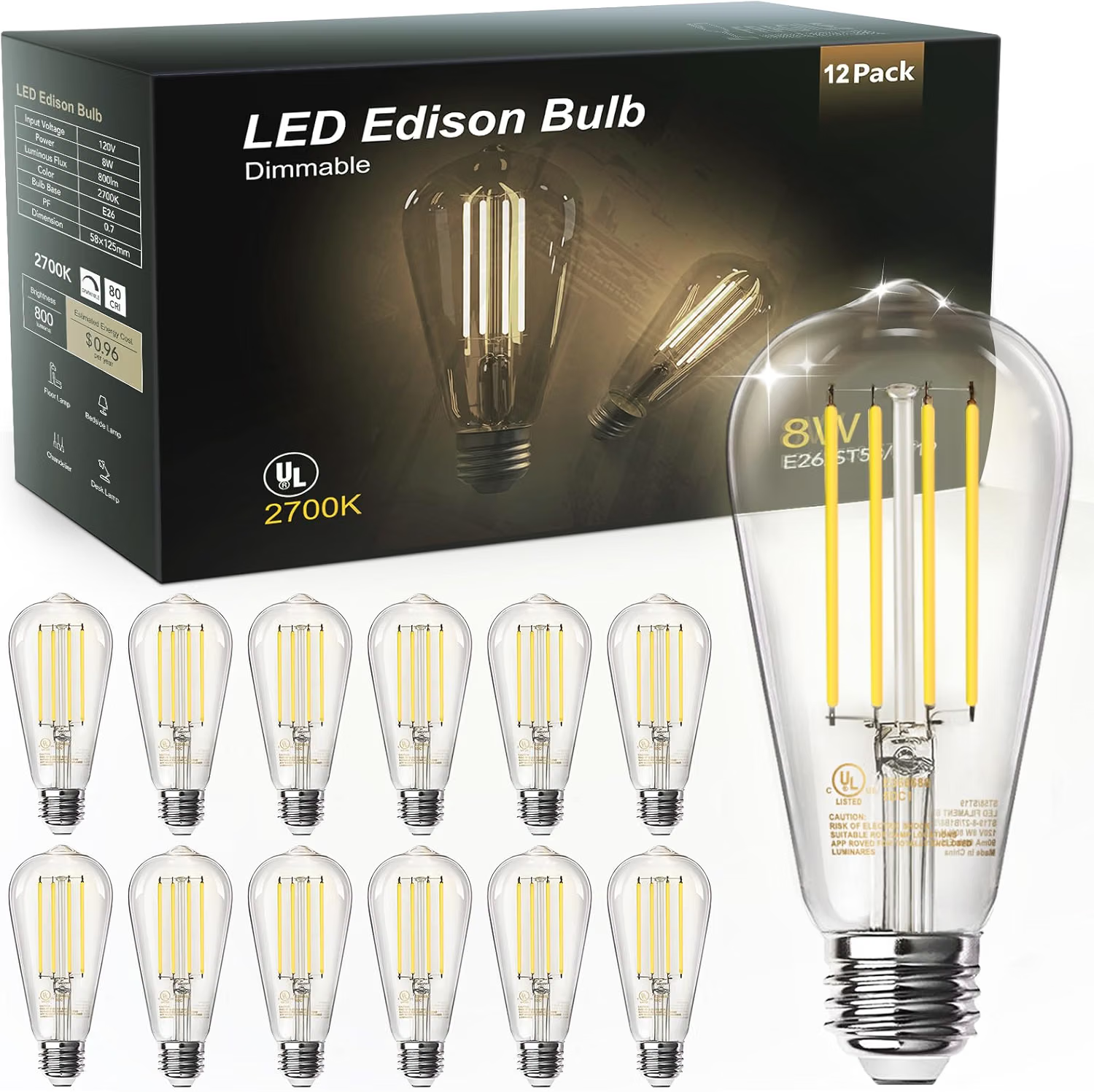
TJOY Edison ST58 LED Bulbs (8W, 2700K)
8W = 60W equivalent, 800 lumens, warm 2700K, dimmable, E26. Exposed-filament look for open pendants and fixtures without the incandescent energy bill.
Best for: decorative pendants where the bulb shows.
Check Edison Bulbs Price on Amazon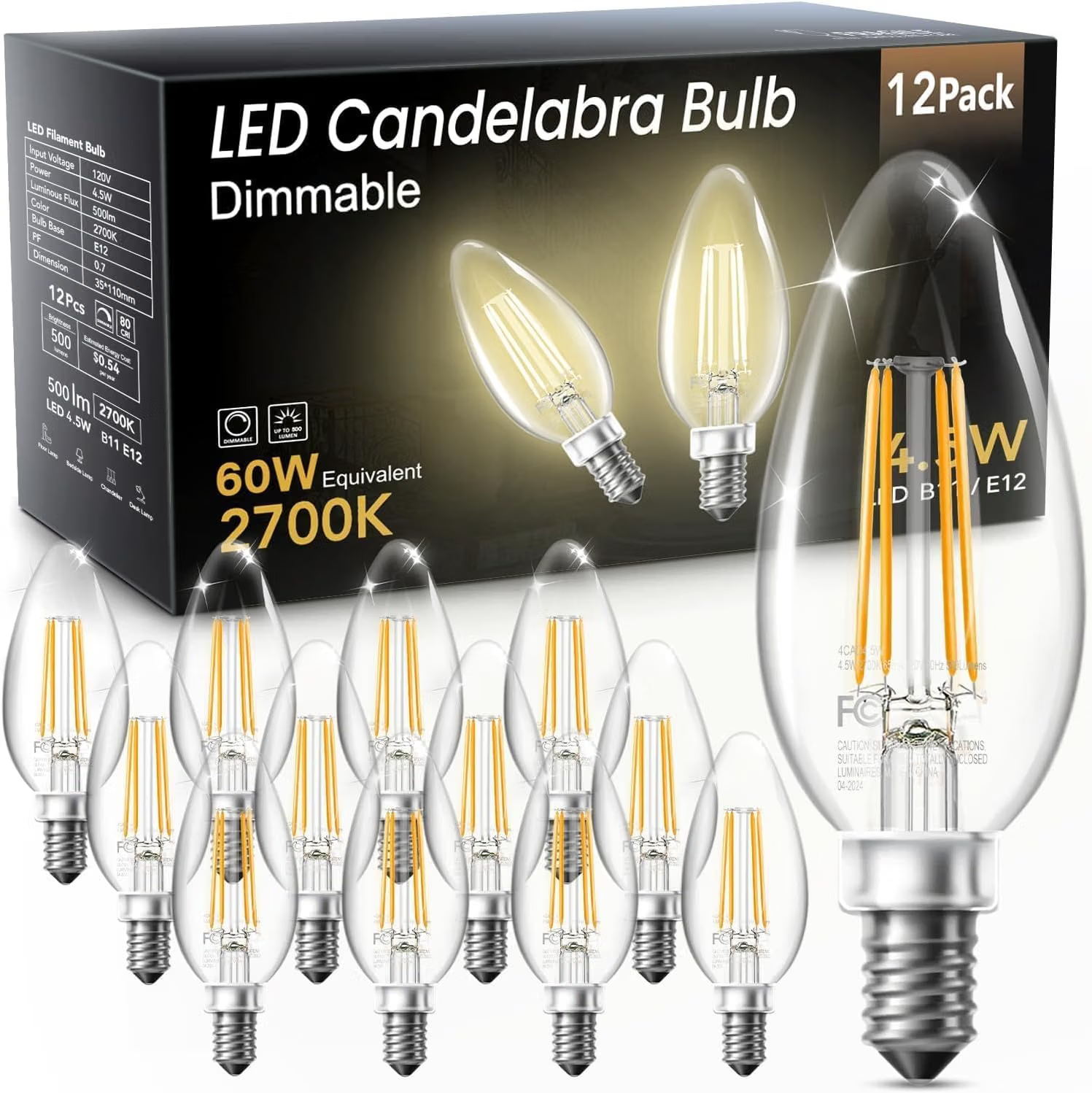
TJOY Candelabra LED Bulbs (E12, 4.5W)
4.5W = 60W equivalent, warm 2700K, dimmable, small E12 base — the right bulb for most kitchen chandeliers and sconces.
Best for: filling a multi-bulb chandelier.
Check Candelabra Bulbs Price on Amazon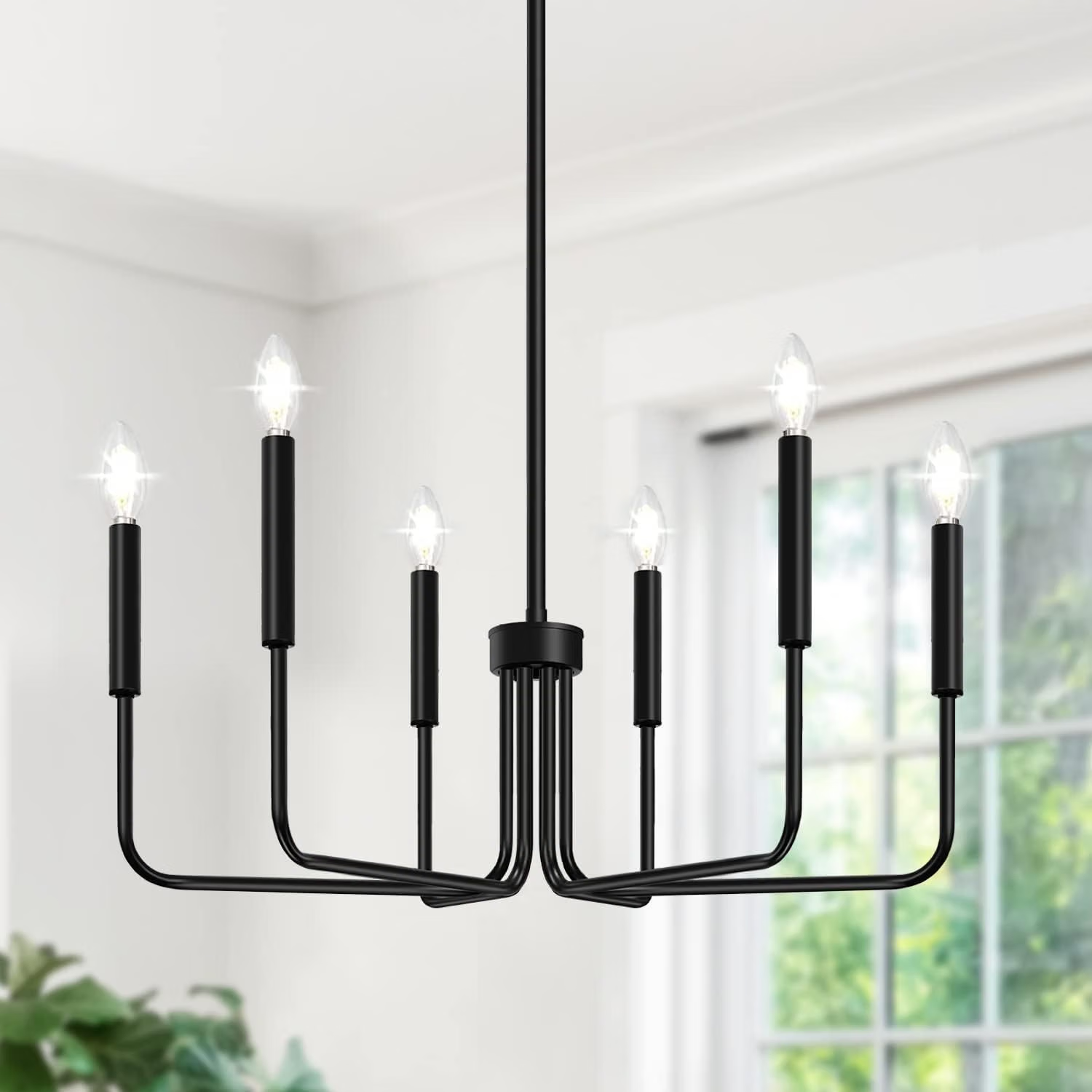
Lynnoland 6-Light Black Farmhouse Chandelier
Six E12 arms, no assembly required, height-adjustable 21″–56.5″, dimmable with compatible bulbs and a dimmer. A statement fixture for an island or dining zone.
Best for: a statement light over an island or table.
Check Chandelier Price on Amazon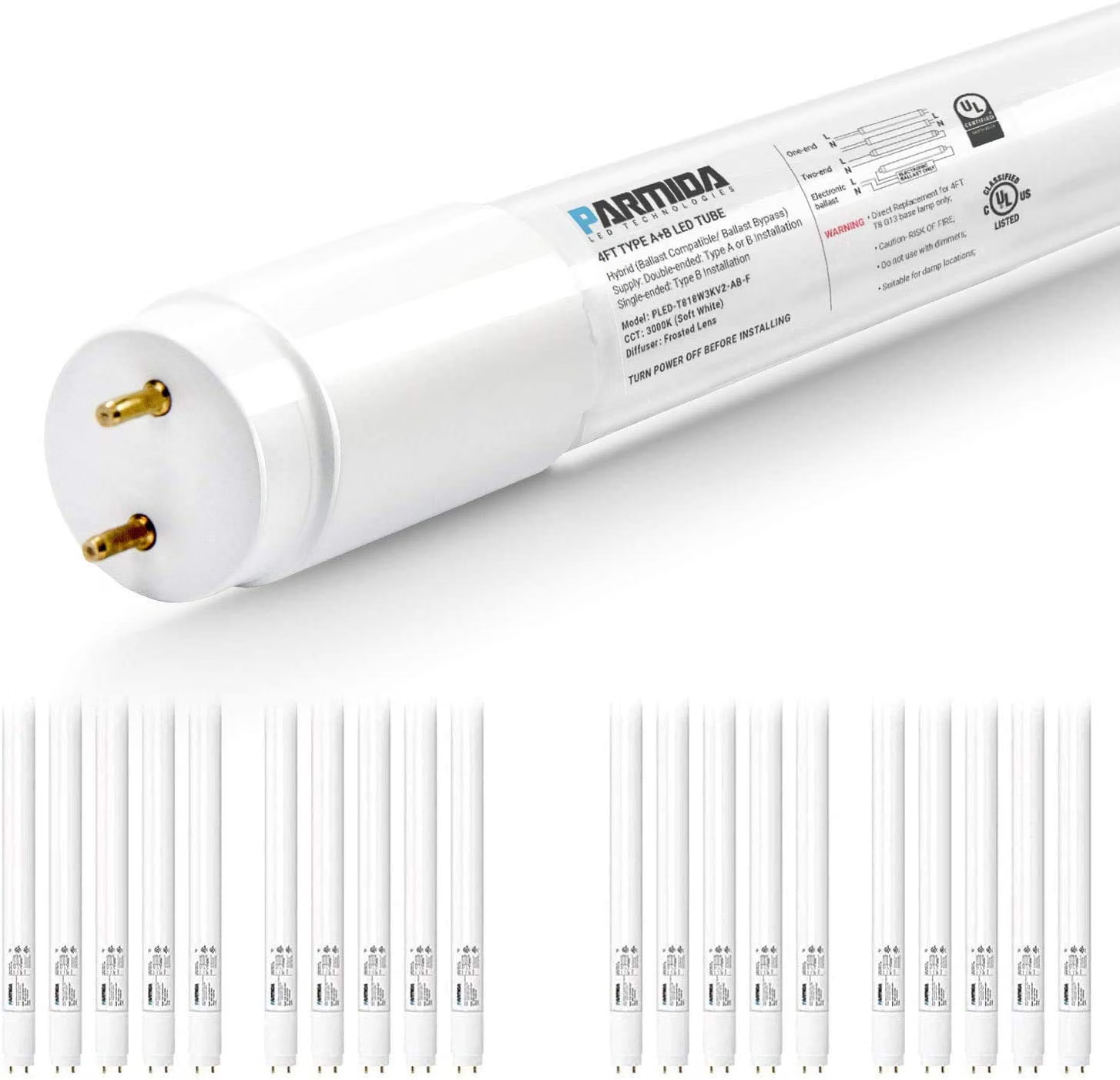
PARMIDA 4FT LED T8 Tubes (18W, ballast-bypass)
18W, 2,200 lumens, replaces old 40W fluorescent T8/T10/T12 tubes. Works with or without a ballast (plug-and-play or bypass). Swap tired flickering tubes for clean LED light.
Best for: replacing old fluorescent tube fixtures.
Check T8 Tubes Price on Amazon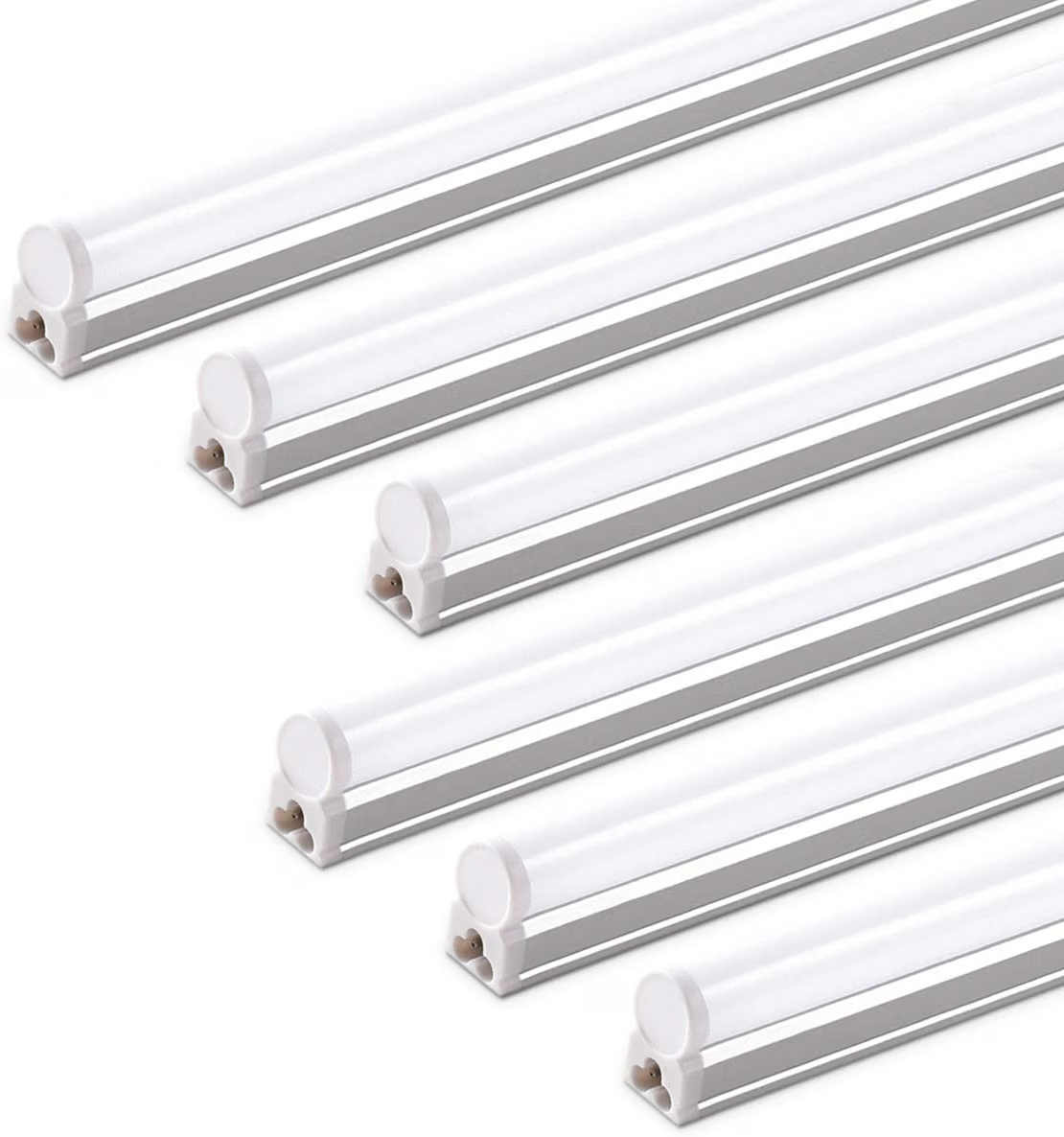
Barrina T5 Integrated LED Shop Light (4FT, 20W)
20W, 2,200 lumens, plug-and-play, linkable up to 8 fixtures. Mounts overhead or under a cabinet for bright, even task light — hugely popular for a reason.
Best for: under-cabinet or overhead task lighting.
Check Barrina Fixture Price on Amazon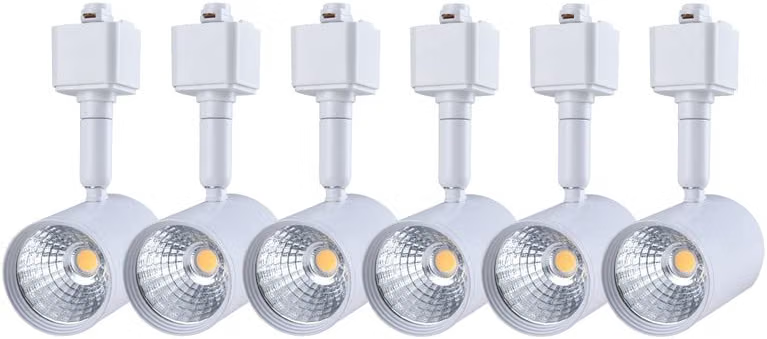
mirrea H-Type LED Track Lighting Heads (6.5W)
6.5W = 50W halogen equivalent, 500 lumens each, fully adjustable and dimmable. Aim them at counters, the sink, or artwork for directional accent light.
Best for: directional accent and counter lighting.
Check Track Heads Price on Amazon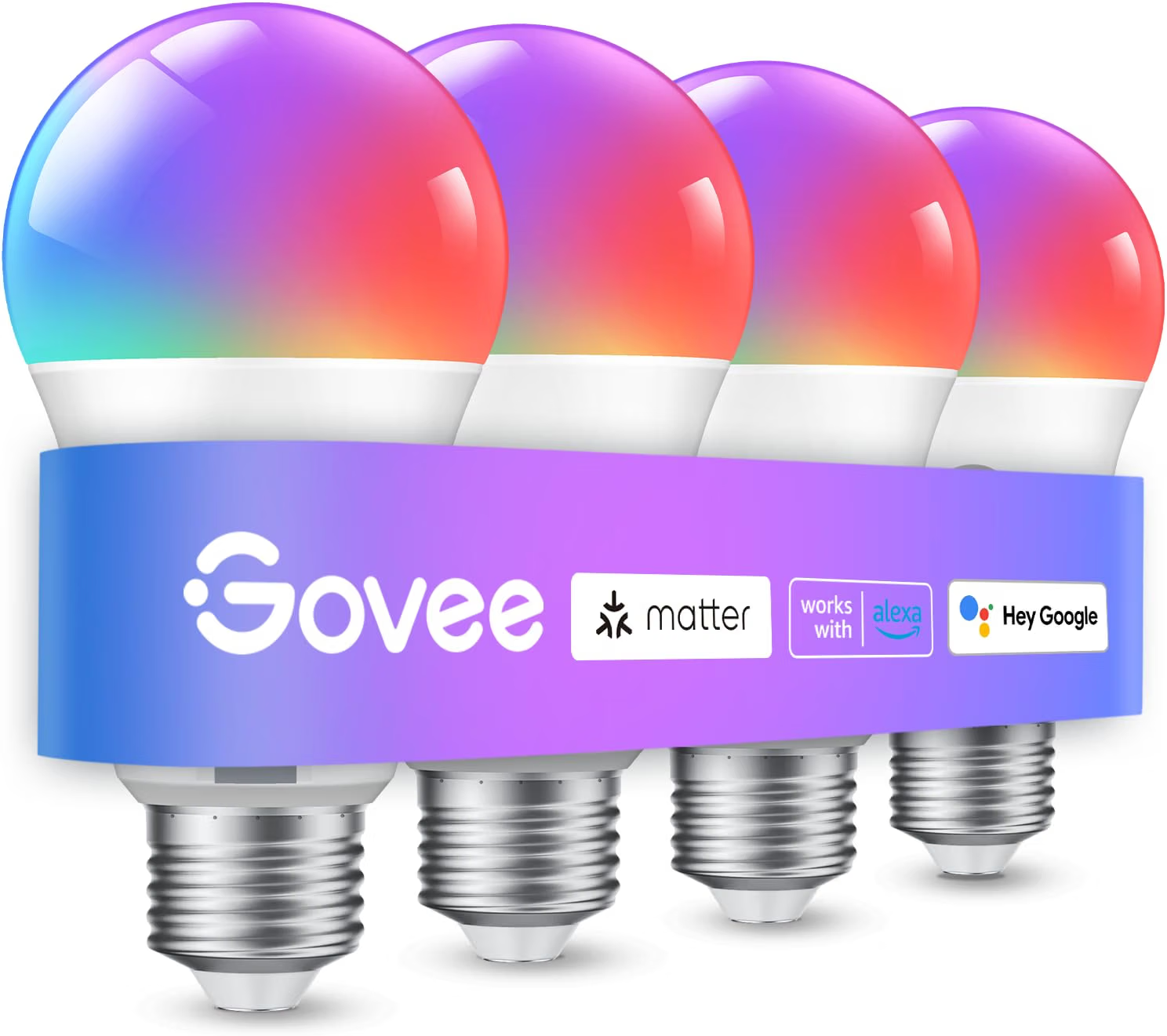
Govee Smart A19 LED Bulbs (Matter, Alexa)
9W, 800 lumens, E26, tunable white and full colour, works with Matter, Alexa and Google. Shift the same fixture from bright task light to warm evening glow.
Best for: dialling colour temperature to the moment.
Check Smart Bulbs Price on AmazonA Couple of Common Questions
How many amps do kitchen lights use? Very little — a whole kitchen of LED fixtures often totals under 1 amp, and lighting usually sits on its own 15-amp circuit. For any wiring or circuit work, check with a licensed electrician. Working in metric? Convert first: 1 m² ≈ 10.8 sq ft, so a 6 m² kitchen (≈65 sq ft) needs about 100W traditional / 15–20W LED for general lighting.
Kitchen Lighting Wattage FAQ
What is the best wattage for kitchen lighting?
For general lighting aim for about 1.5–2.5 watts per square foot (traditional), which for most kitchens works out to 5,000–10,000 lumens total. In LED terms that’s roughly 8–15W per main bulb.
How many watts do I need to light my kitchen?
Multiply your kitchen’s square footage by 1.5 for general lighting or 2.5 for task-heavy lighting. A 180 sq ft kitchen needs about 270W (general) of traditional bulbs, or only 45–60W total in LEDs for the same brightness.
What wattage should recessed kitchen lights be, 40 or 60?
Go with 60W-equivalent (about 9–10W LED) for a medium-to-large kitchen; a small kitchen can use 40W-equivalent. For very large or bright kitchens, 75W-equivalent recessed cans give more even coverage.
What wattage bulb goes above a kitchen sink?
A single pendant or ceiling light over the sink works best at 60–75W-equivalent LED (about 800–1,100 lumens). With multiple recessed fixtures, 40–60W-equivalent each is plenty.
How many watts for kitchen island pendant lights?
Shoot for 60–100W-equivalent LEDs total. With three pendants you can use about 40W-equivalent each; a single pendant should be brighter at 75–100W-equivalent. Add a dimmer for flexibility.
What is the proper wattage for a kitchen chandelier?
Most kitchen chandeliers use E12 candelabra bulbs at 40–60W-equivalent each (about 4.5–6W LED). A 5–6 bulb chandelier then totals roughly 250–360W-equivalent — bright enough for a dining zone, and best paired with a dimmer.
How many watts should under-cabinet lighting be?
LED strips or bars run about 4–10 watts per foot, and LED puck lights 3–5 watts each. That’s enough to erase counter shadows without adding much to your energy bill.
What wattage LED replaces a 4ft fluorescent tube in a kitchen?
A 4-foot LED T8 tube of about 15–20W replaces a 32–40W fluorescent tube while delivering the same or more light (roughly 2,000–2,200 lumens) and no flicker.
What Kelvin (colour temperature) is best for a kitchen?
Use 2700K–3000K (warm) for cozy dining zones, 3500K–4000K (neutral) for most general kitchen lighting, and 5000K–6500K (daylight/cool) over task areas like the sink and cutting board.
How many amps do kitchen lights use?
Lighting draws very little — a full kitchen of LED fixtures often totals under 1 amp. Lighting is usually on a 15-amp circuit separate from countertop outlets; for any wiring or circuit questions, check with a licensed electrician.
How many watts do I need for a small kitchen (in square metres)?
Convert to square feet first (1 m² ≈ 10.8 sq ft). A 6 m² kitchen is about 65 sq ft, needing roughly 100W traditional / 15–20W LED for general lighting, or more if it’s task-heavy.
Brighten Smart, Live Better
The right wattage means safer, clearer cooking zones, a more welcoming space, and lower energy bills. Measure your kitchen, use the calculator above, layer your zones, and lean on LEDs (matched to 3500–4000K) for the best all-round result. Get it right once and you’ll have a kitchen you actually love spending time in.