
How to Oil a Cutting Board: Step by Step
Oil a wooden cutting board with food-grade mineral oil: soak it overnight, seal it with board cream, and repeat about once a month.
To oil a cutting board, wash and dry it, cover every side with food-grade mineral oil, let it soak overnight, then seal it with a beeswax board cream and wipe off the excess.
Never use olive or vegetable oil: cooking oils go rancid on wood.
Oil: food-grade mineral oil or a board oil, generously, on all sides. Wait: overnight. Seal: board cream the next day, wiped off after a few hours. How often: monthly for daily use, every 2 to 3 months for light use, and whenever the board looks dry.
Seven steps, how often to oil, which oils to use and avoid, and six products that make it easy are below.
Product links go to Amazon. As an Amazon Associate, Kitchen Guide 101 earns from qualifying purchases.
Oils, Creams and Tools for the Job
Details are from each maker. Tap any name to see it on Amazon.
| Product | Type | What it is | Wait time | Best for | Price |
|---|---|---|---|---|---|
| John Boos Mystery Oil | Board oil | Soaks into the wood | Overnight | Any wood board | See listing |
| John Boos Board Cream | Board cream | Beeswax and mineral oil | A few hours | Sealing after oil | $ |
| Howard Butcher Block Conditioner, 12 oz | Oil and wax | Mineral oil, beeswax, carnauba | 1 hour to overnight | One-step care | $ |
| Food-Grade Mineral Oil for Cutting Boards | Mineral oil | Plain oil | Overnight | Large boards | See listing |
| Fine-Grit Sandpaper Assortment | Sandpaper | Before oiling | Light sanding | Scratched boards | See listing |
| Swedish Dishcloths, Reusable Cellulose Sponge Cloths, 10-Pack | Cloths | Spreading and wiping | Every oiling | Any board | $$ |
Details are from each maker at time of writing and can change. Price tiers: $ lowest in this group · $$ middle · $$$ highest.
6 Products for Oiling a Cutting Board
Two oils, a cream, an all-in-one conditioner, sandpaper and cloths.
John Boos Mystery Oil
John Boos says its boards need Mystery Oil or a food-grade mineral oil, never cooking oil. Use a generous amount over the top, bottom and sides, then let it soak in overnight.
Follow it the next day with board cream to seal the moisture in.
- Made for the job
- Soaks deep
- Pairs with Boos Board Cream
- A two-step routine
- Check the size on the listing
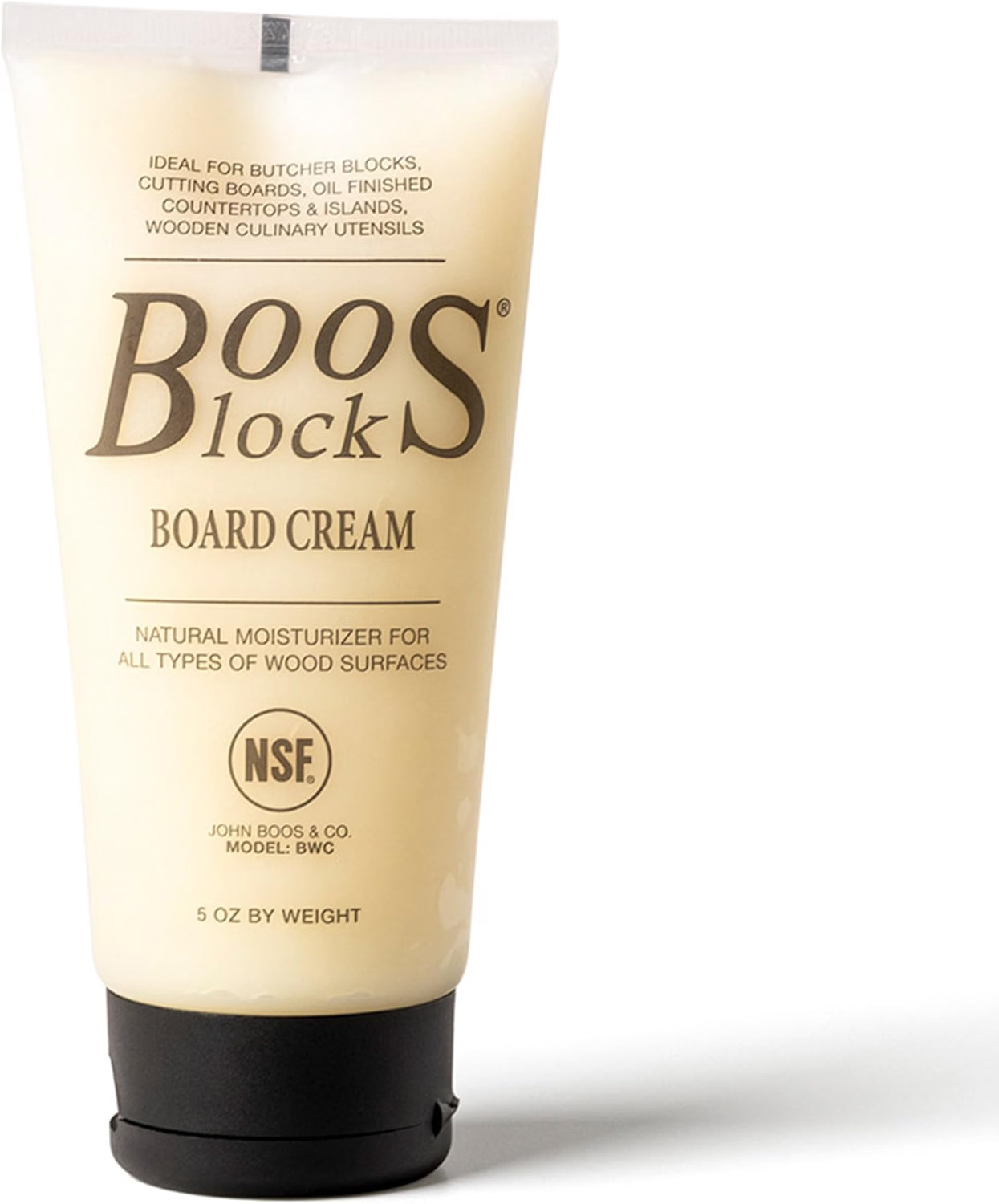
John Boos Board Cream
Step two of the Boos routine. The cream is unbleached beeswax and food-grade mineral oil, and its wax forms a longer-lasting moisture barrier than oil alone.
Spread a substantial layer the day after oiling, let it sit a few hours, then wipe off the excess.
- Seals in moisture
- Helps stop cracking
- Food-safe ingredients
- Needs reapplying
- Use after oil, not instead
Howard Butcher Block Conditioner, 12 oz
Oil and wax in one bottle: USP food-grade mineral oil with beeswax and carnauba wax. Howard says to wipe it on with a soft cloth, let it stand at least an hour or overnight, then wipe off the excess.
For a new, unconditioned board 1.5 inches thick or more, it calls for 3 to 4 coats on all sides.
- One step instead of two
- Includes wax
- Clear directions
- Shake before use
- Several coats on a new thick board
Food-Grade Mineral Oil for Cutting Boards
Plain food-grade mineral oil does the same job as branded board oil. It has no taste or smell and does not go rancid, unlike olive or vegetable oil.
Look for “food grade” or “USP” on the label, and pair it with a board cream or wax.
- No taste or smell
- Does not go rancid
- Good for big boards
- No wax: add a cream
- Check the grade on the label
Fine-Grit Sandpaper Assortment
Deep knife marks and fuzzy patches hold onto moisture. John Boos suggests a light sanding with fine-grit sandpaper, then a fresh coat of oil.
Sand with the grain on edge-grain boards, wipe off the dust and let the board dry before oiling.
- Removes knife marks
- Smooths raised grain
- Low price tier
- Go gently
- Wipe off all dust before oiling
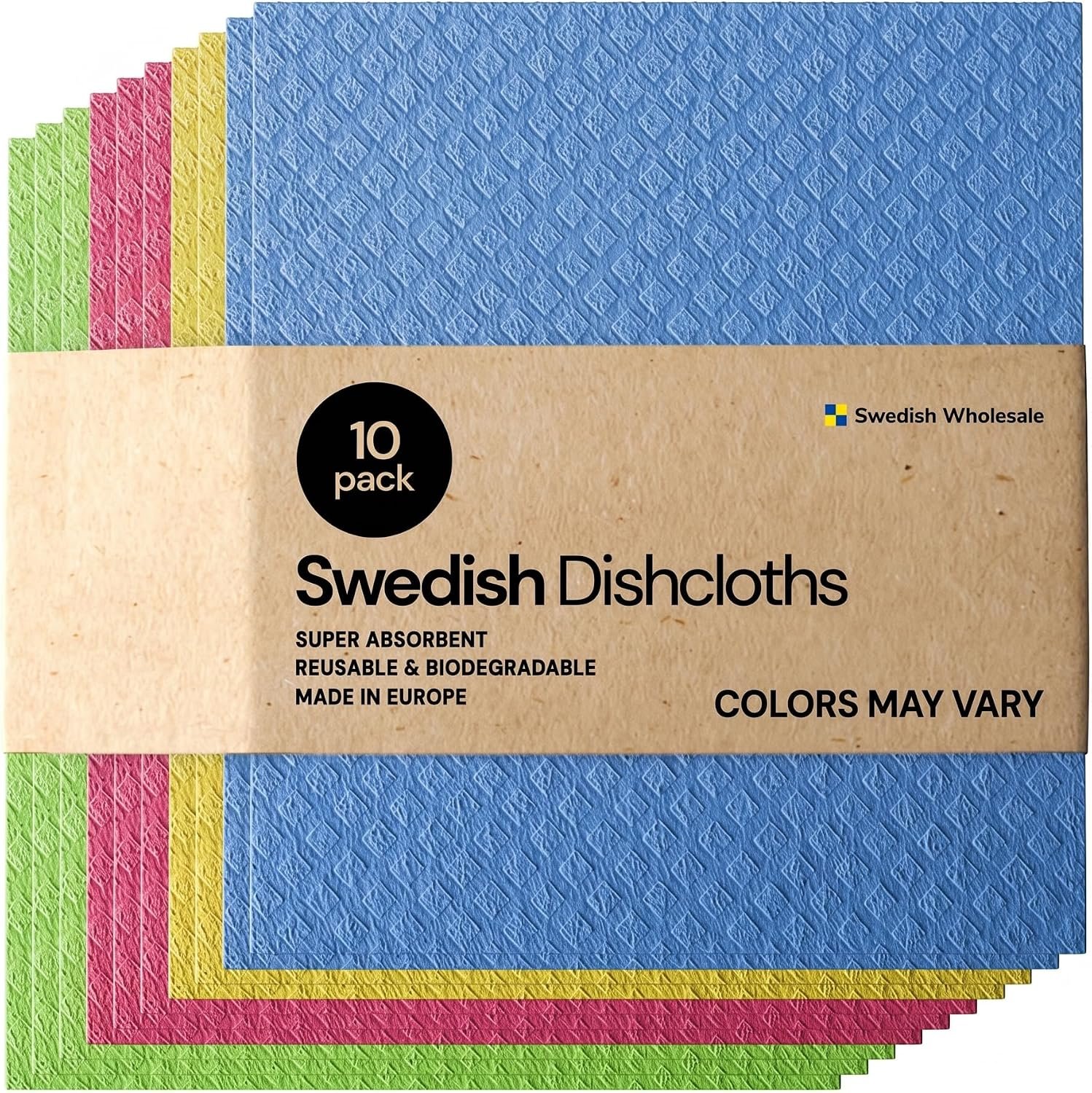
Swedish Dishcloths, Reusable Cellulose Sponge Cloths, 10-Pack
Oil goes on with a clean cloth and the excess comes off with another. Keep one or two of these cloths just for board oil so they do not end up in the dishwater.
They also dry the board after washing, before it stands on edge to air dry.
- Reusable
- Absorbent
- Ten in a pack
- Keep oily cloths separate
- Wash before reuse
How to Oil a Cutting Board in 7 Steps
- Wash and dry the board. Warm water and a gentle soap, then a clean cloth. Let it air dry standing up until it is fully dry.
- Sand if needed. A light pass with fine-grit sandpaper removes knife marks. Wipe off the dust.
- Pour on the oil. Use food-grade mineral oil or Mystery Oil, generously, on the top, bottom and sides.
- Spread it. Work it in with a clean cloth until every surface is covered.
- Let it soak overnight, standing on edge so all sides get air.
- Seal it. The next day, spread a substantial layer of board cream and leave it a few hours.
- Wipe off the excess and the board is ready to use.
Steps follow the John Boos care guide.
How Often to Oil a Cutting Board
| Board use | How often to oil | Source |
|---|---|---|
| Daily | Monthly | John Boos |
| A few times a week or less | Every 2 to 3 months | John Boos |
| Any board that looks dry, dull or lighter | Now | John Boos |
| New board | Until it stops absorbing, then cream | John Boos |
| New board 1.5 in or thicker (Howard) | 3 to 4 coats on all sides | Howard |
A quick check: if the board looks dry, dull or lighter in color, oil it. End-grain boards drink more oil than edge-grain ones; see end grain vs edge grain cutting boards.
Which Oil to Use, and Which to Avoid
| Oil | Use it? | Why |
|---|---|---|
| Food-grade mineral oil | Yes | No taste or smell, does not go rancid |
| Board oil like Mystery Oil | Yes | Made for wood boards |
| Board cream or conditioner with beeswax | Yes, after oil | Seals in moisture |
| Olive, vegetable, canola or corn oil | No | Goes rancid and smells on the wood |
| Any other cooking oil | No | John Boos says never on wood boards |
Comparing bottles? See the best food-grade mineral oils for cutting boards.
Tips for a Board That Lasts
Five habits.
Oil every side
Top, bottom and edges, so the wood dries evenly.
Give it time
Overnight for oil, a few hours for cream.
Never soak it
Soaking can split the wood; wash it quickly instead.
Store it upright
Air on both sides helps prevent warping.
Keep a board cloth
One cloth just for oil saves your dish towels.
More board guides: plastic cutting boards, butcher block countertops, knife deals and how to sharpen a knife.
How to Oil a Cutting Board FAQs
How do you oil a wooden cutting board?▼
Wash and dry it, spread food-grade mineral oil generously on every side, let it soak overnight, then apply board cream and wipe off the excess after a few hours.
How often should you oil a cutting board?▼
Monthly for daily use, every 2 to 3 months for light use, and whenever it looks dry, per John Boos.
What oil is best for a cutting board?▼
Food-grade mineral oil or a board oil made for wood. It has no taste or smell and does not go rancid.
Can I use olive oil on a cutting board?▼
No. Olive, vegetable and other cooking oils go rancid on wood, and John Boos says never to use cooking oil on its boards.
How long should oil sit on a cutting board?▼
Overnight for oil. Howard says its conditioner needs at least an hour, or overnight if possible.
Should I oil a new cutting board?▼
Yes. Oil it until the wood stops absorbing, then apply a generous layer of board cream.
What is the difference between board oil and board cream?▼
Oil soaks in; cream seals. Board cream adds beeswax, which forms a longer-lasting moisture barrier.
How do I know if my cutting board needs oil?▼
It looks dry, dull or lighter in color. That is the time to oil it.
The Bottom Line
- Oil: John Boos Mystery Oil or plain food-grade mineral oil, overnight.
- Seal: John Boos Board Cream the next day, or use Howard Butcher Block Conditioner as one step.
- How often: monthly for daily use, and whenever the board looks dry.
Mineral oil overnight, cream the next day, every month. Never cooking oil.