
From Scratch Pumpkin Pie With Real Pumpkin: All-Butter Crust, Roasted Purée, No Cream
A small farm pumpkin, a hand-crimped shell and a classic evaporated-milk custard, split across two relaxed days, with every amount matching the card.
- Fieldpick a heavy 2-lb sugar variety
- Day before400°F, blend, drain, chill dough
- Morningroll, flute, blind-bake
- Afternoonfill, bake at 350°F
- Tablecool 2 hours, then slice
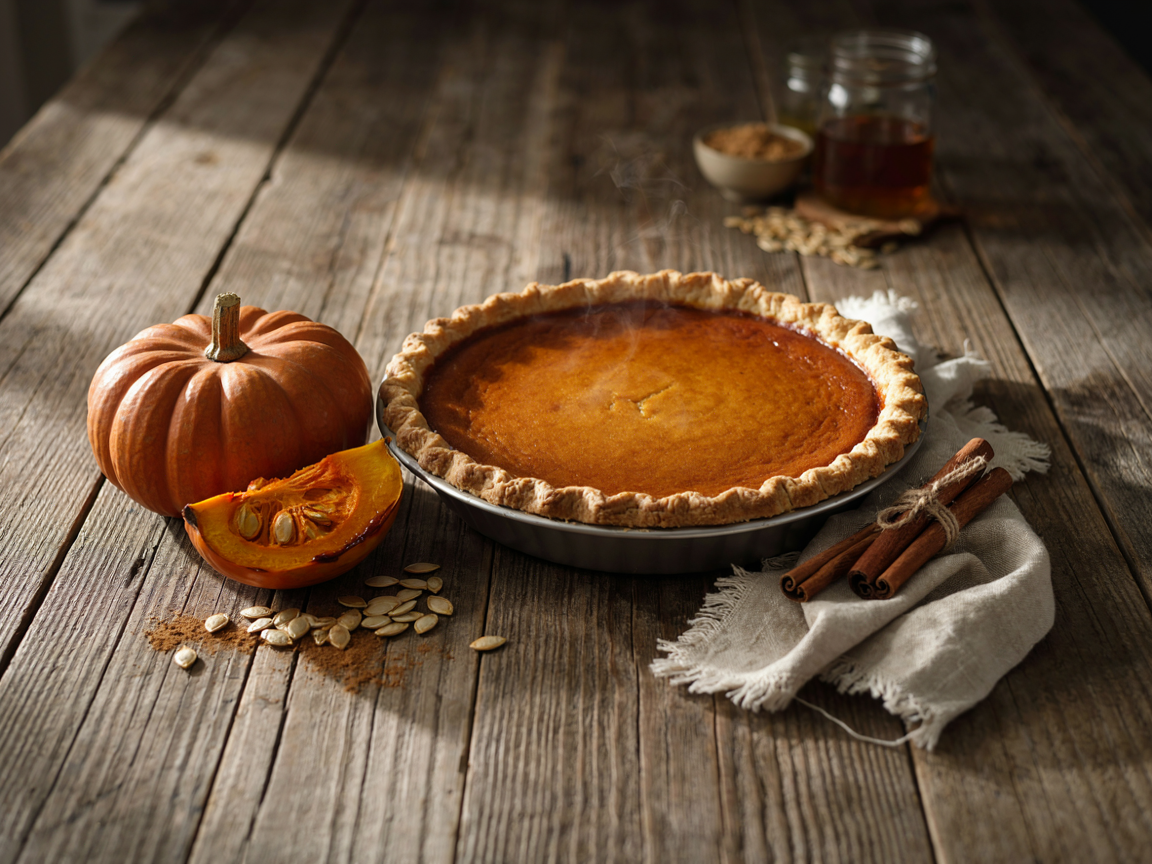
The whole job on one table: a small sugar pumpkin, a roasted half and the finished pie in its crimped butter crust.
This from scratch pumpkin pie is homemade from the ground up: a small sugar pumpkin roasted until sweet, an all-butter crust baked crisp, and a classic evaporated-milk custard with no cream. Split over two days, each day takes under an hour of hands-on work.
Quick answer
Roast a halved 2-lb sugar pumpkin at 400°F for 45 to 60 minutes, then blend, drain and measure 1¾ cups. Whisk in ½ cup brown sugar, ¼ cup white sugar, spices, salt, 2 eggs plus a yolk, 1 cup evaporated milk and alcohol-free vanilla. Bake in a blind-baked 9-inch butter crust at 350°F for 50 to 60 minutes. Serves 8.
Only need the filling? The cream-custard filling is a separate, silkier recipe made with cream and milk and baked at 325°F. This page is the whole pie, crust to slice, kept classic with evaporated milk. Short on pumpkins? One 15-oz can of 100% pumpkin stands in for the roasted purée.
Why This From Scratch Pumpkin Pie Works
Real pumpkin pie only goes wrong in two places: water in the pumpkin and a soggy crust. Each part of this recipe deals with one of them.
Roasted at 400°F, not boiled
Dry oven heat drives water out of the pumpkin and browns its cut edges, so the purée tastes sweeter and deeper. Boiled pumpkin takes on water, and extra water is what makes a pie weep or refuse to set.
Drained until a spoon stands up
Fresh purée holds more water than canned. Thirty to sixty minutes in a lined sieve brings it to canned thickness, so the custard sets in the same time at the same temperature every year.
Evaporated milk, no cream
Evaporated milk is milk with about 60 percent of its water cooked off. It bakes into the classic firm, sliceable custard without a carton of cream, and one extra yolk adds the richness cream would have brought.
A blind-baked all-butter crust
Butter gives the crust its flavor and flaky layers. Baking it empty first sets the base before a wet custard goes in, so the bottom stays crisp instead of pale and doughy.
One pie, one set of numbers: the card, the day plan and the quick answer all use a 2-lb sugar pumpkin, 1¾ cups of drained purée, 400°F for roasting and blind-baking, and 350°F for the pie.
A Recipe for Pumpkin Pie From Scratch With Real Pumpkin
The card is set for one standard 9-inch pie; tap 2 pies and every amount changes. It runs in the order the work happens: the dough first so it can chill, then the pumpkin, then the crust and filling.
From Scratch Pumpkin Pie With Real Pumpkin
The whole pie from the ground up: an all-butter crust, a roasted sugar pumpkin and an evaporated-milk custard with no cream. Tap 1 or 2 pies and every amount changes.
How many pies?
Ingredients
For the all-butter crust- 1¼ cups (160 g)2½ cups (320 g) all-purpose (plain) flour
- 1 tsp2 tsp granulated sugar
- ½ tsp1 tsp fine salt
- ½ cup (113 g)1 cup (226 g) cold unsalted butter, cut in ½-inch cubes
- 3 to 5 tbsp6 to 10 tbsp ice water
- 12 small sugar or pie pumpkin, about 2 lb (900 g)small sugar or pie pumpkins, about 4 lb (1.8 kg) in all
- 1 tsp2 tsp olive or neutral oil, for brushing
- 1¾ cups (425 g)3½ cups (850 g) drained roasted pumpkin purée, from above
- ½ cup (105 g)1 cup (210 g) packed light brown sugar
- ¼ cup (50 g)½ cup (100 g) granulated sugar
- 1½ tsp1 tbsp ground cinnamon
- ½ tsp1 tsp ground ginger
- ¼ tsp½ tsp ground nutmeg
- ¼ tsp½ tsp ground cloves
- ½ tsp1 tsp fine salt
- 2 large + 1 yolk4 large + 2 yolks eggs, at room temperature (keep the spare white for the crust)
- 1 cup (240 ml)2 cups (480 ml) evaporated milk, whole (not sweetened condensed)
- 1 tsp2 tsp alcohol-free vanilla
- whipped cream, to serve (optional)
No sugar pumpkin? One 15-oz (425 g) can of 100% pumpkin replaces the roasted purée; skip steps 2 and 3. No time for pastry? A store-bought crust takes the same blind-bake; for a halal pie, choose an all-butter or vegetable-shortening crust and check the label.
Instructions
Make the dough
Whisk the flour, sugar and salt. Rub in the cold butter until it looks like coarse crumbs with some pea-sized pieces left. Sprinkle in ice water a tablespoon at a time, tossing, until the dough holds when squeezed. Shape 1 disc2 discs, wrap and chill at least 1 hour.
Roast the pumpkin
Heat the oven to 400°F (200°C). Halve each pumpkin through the stem, scrape out the seeds and strings and brush the cut sides with oil. Roast cut side down on a parchment-lined sheet for 45 to 60 minutes, until a knife slides in easily.
Purée and drain
Cool 15 minutes, scoop the flesh from the skin and blend 1 to 2 minutes until smooth. Drain in a sieve lined with paper towels or cheesecloth for 30 to 60 minutes, until a spoon stands up in it. Measure 1¾ cups (425 g)3½ cups (850 g).
Roll and crimp
Roll each disc on a lightly floured counter into a 12-inch round about ⅛ inch thick. Ease it into a 9-inch pie plate without stretching, trim to a 1-inch overhang, fold the edge under and crimp. Freeze 15 minutes.
Blind-bake the crust
Line with parchment, fill with pie weights or dried beans and bake at 400°F for 15 minutes. Lift out the weights and bake 5 to 8 minutes more, until the base looks dry. Brush with the spare egg white, bake 1 minute, then lower the oven to 350°F (175°C).
Mix the filling
Whisk the sugars, spices and salt in a large bowl, breaking up lumps. Whisk in the purée and taste it, then the eggs and yolk, then the evaporated milk and alcohol-free vanilla. Stir gently, so little air goes in.
Bake
Set the warm crust on a baking sheet and pour in the filling to just below the crimp; bake any extra in a small buttered ramekin. Bake at 350°F for 50 to 60 minutes55 to 65 minutes, swapping racks halfway. Shield the edge with foil if it browns early.
Check that it is done
Pull the pie when the edge is set and matte and the center 2 to 3 inches wobble as one piece when nudged. An instant-read thermometer in the center reads 175°F (80°C).
Cool and serve
Cool on a rack for at least 2 hours before slicing. Serve at room temperature or chilled, with whipped cream, and refrigerate leftovers.
Taste Before the Eggs Go In
Sugar pumpkins vary from one to the next. After whisking the sugars, spices and salt into the purée, taste a spoonful. If it seems flat, add up to 2 tablespoons more brown sugar or a pinch more cinnamon, then whisk in the eggs and milk. That is how to make a real pumpkin pie taste properly sweet.
What You Need
- A standard 9-inch pie plate, glass or metal (not deep-dish)
- A rolling pin, parchment and pie weights or dried beans
- A rimmed baking sheet, for roasting and for carrying the pie
- A blender or food processor
- A fine sieve, plus paper towels or cheesecloth
- A whisk and a large bowl
- Foil or a pie shield
- An instant-read thermometer (optional, but it ends the guessing)
Tools That Make This Pie Easier
The pie plate is the one true must. The rest make the crust, the purée and the bake quicker and more reliable.
As an Amazon Associate, this site earns from qualifying purchases.
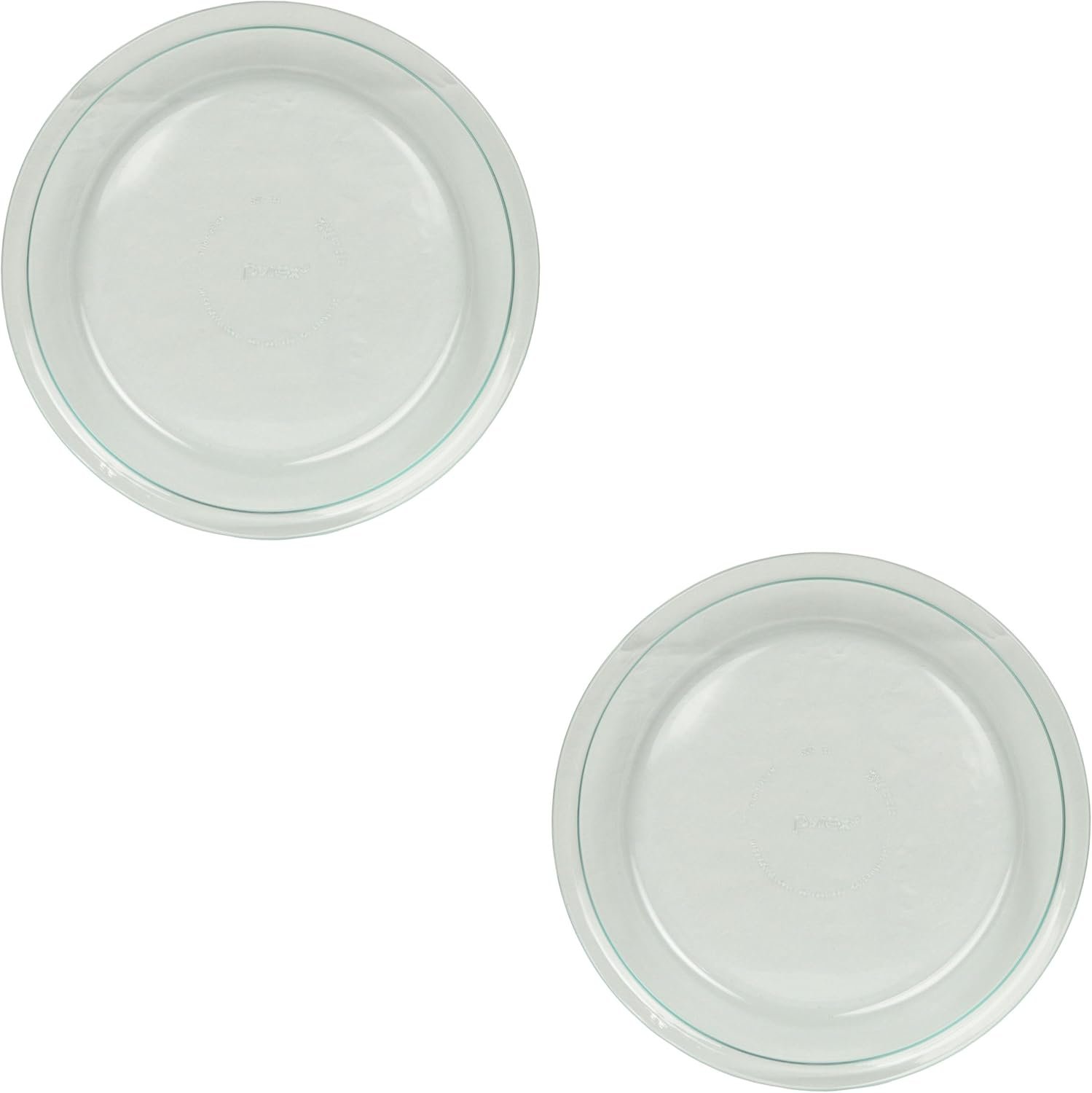
Pyrex 9-Inch Glass Pie Plates, 2-Pack
The plate this recipe is built for: a standard 9-inch glass dish, not deep-dish, so the filling sets level. Clear sides show when the blind-baked base has browned.
Check Price on Amazon →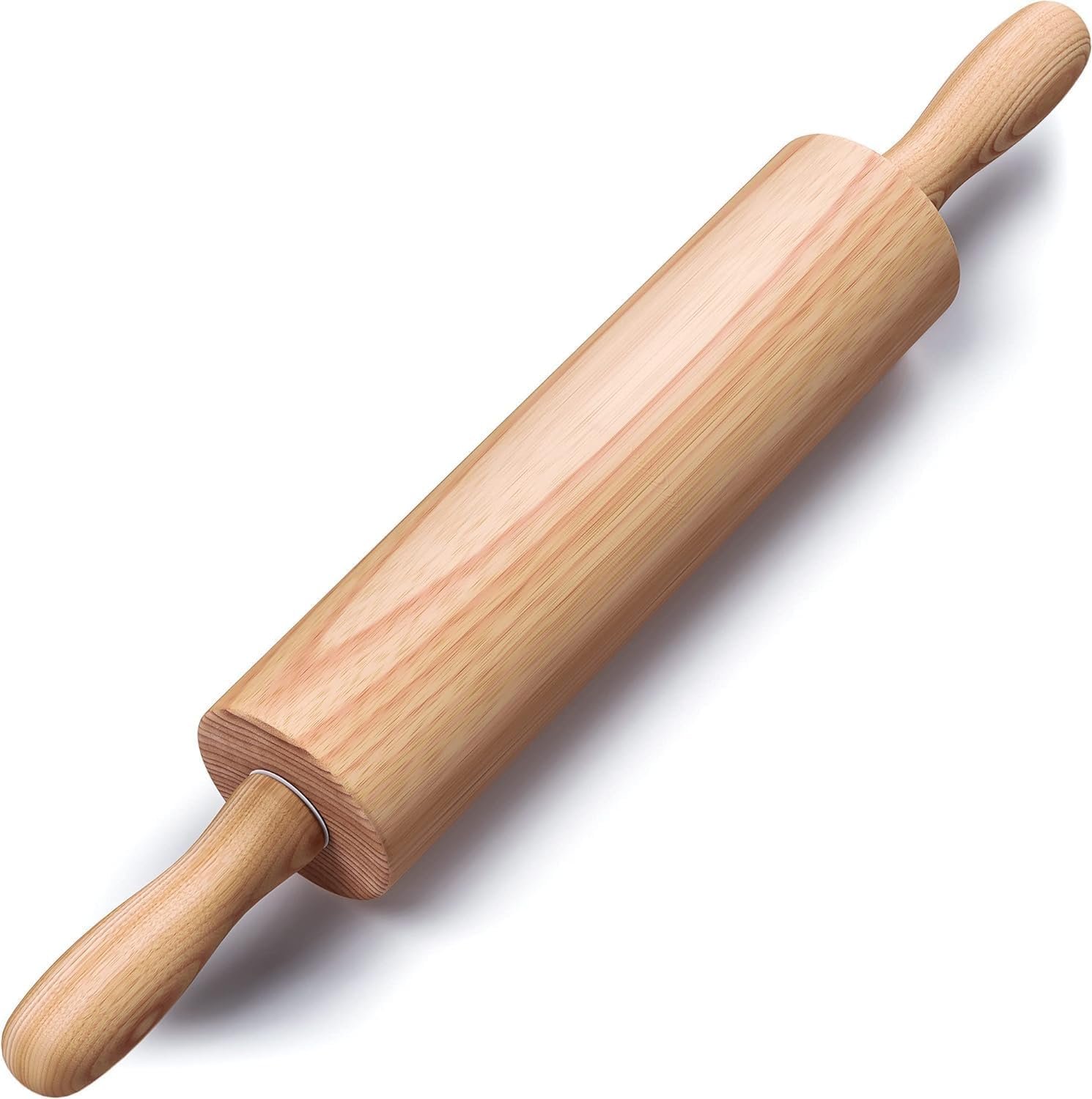
HelferX Beech Wood Rolling Pin
Rolls the cold disc into a 12-inch round about ⅛ inch thick. The handles keep warm palms off the butter while it rolls.
Check Price on Amazon →
HIWARE Precut Parchment Paper Sheets, 12 x 16 in
One sheet lines the pan for roasting the pumpkin, another lines the crust for blind baking. They fit a half sheet pan with no trimming.
Check Price on Amazon →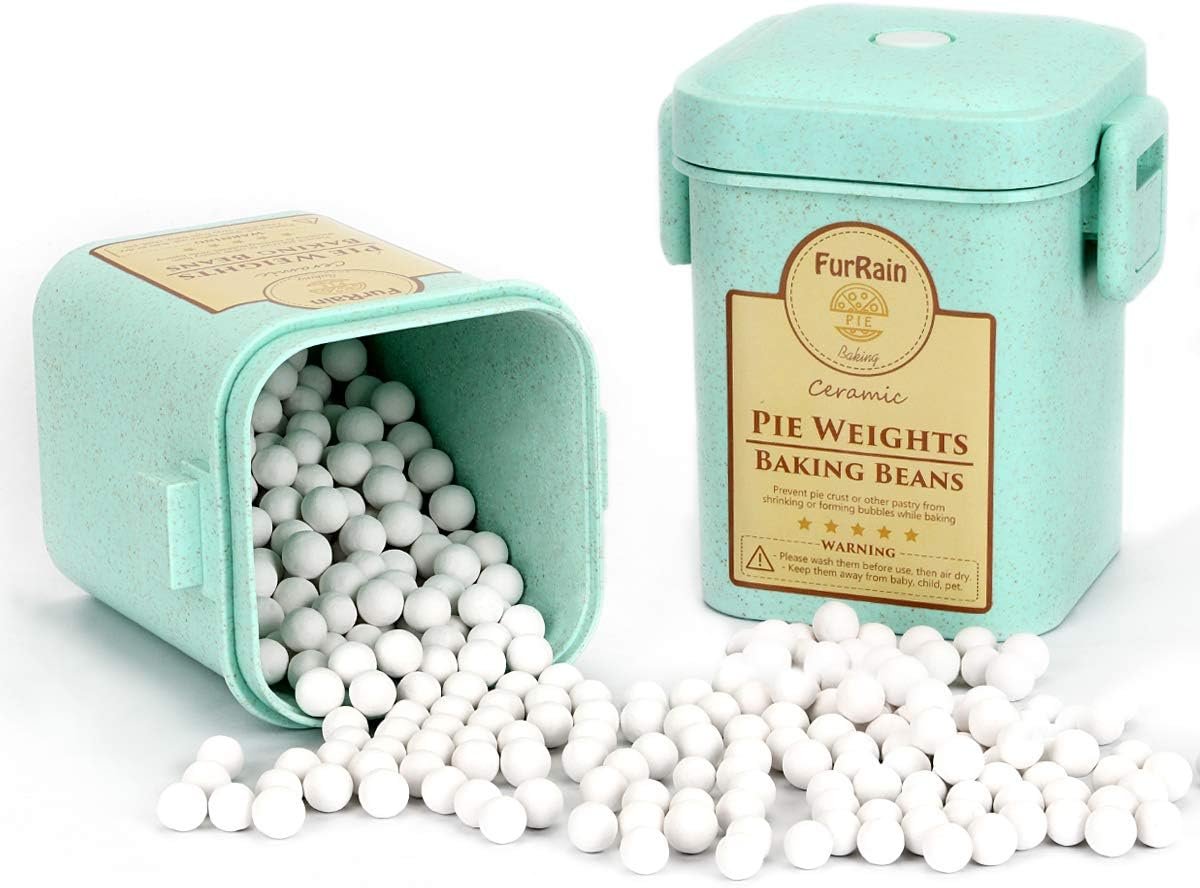
FurRain Ceramic Pie Weights, 1.2 lb
Hold the crust flat while it blind-bakes at 400°F, so the sides stay up and the base does not puff. They wash, dry and go back in their jar.
Check Price on Amazon →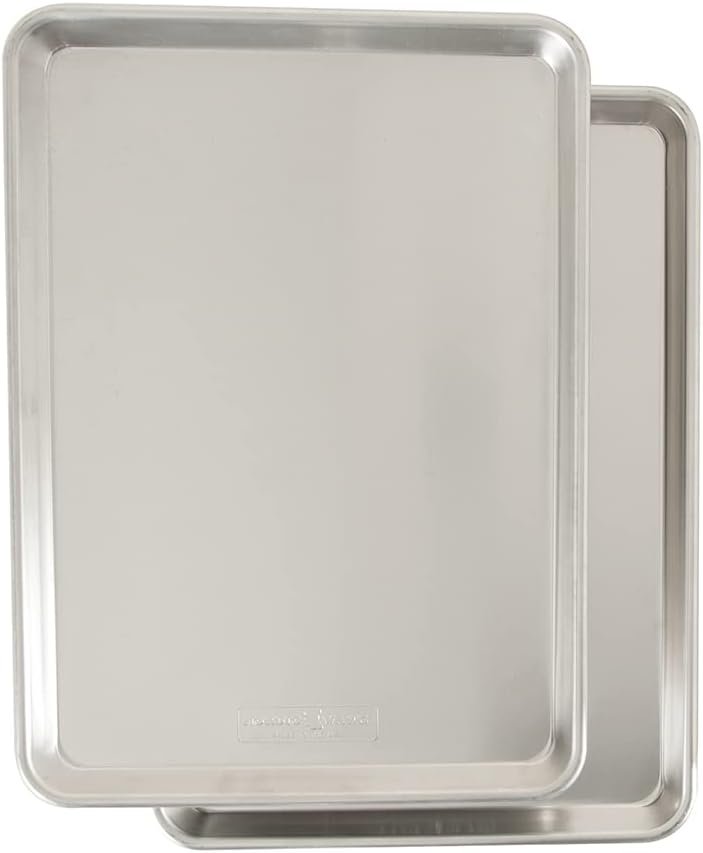
Nordic Ware Naturals Half Sheet Pans, 2-Pack
One rimmed sheet roasts the pumpkin halves. The other sits under the pie on baking day, catching drips and making the full pie easy to carry.
Check Price on Amazon →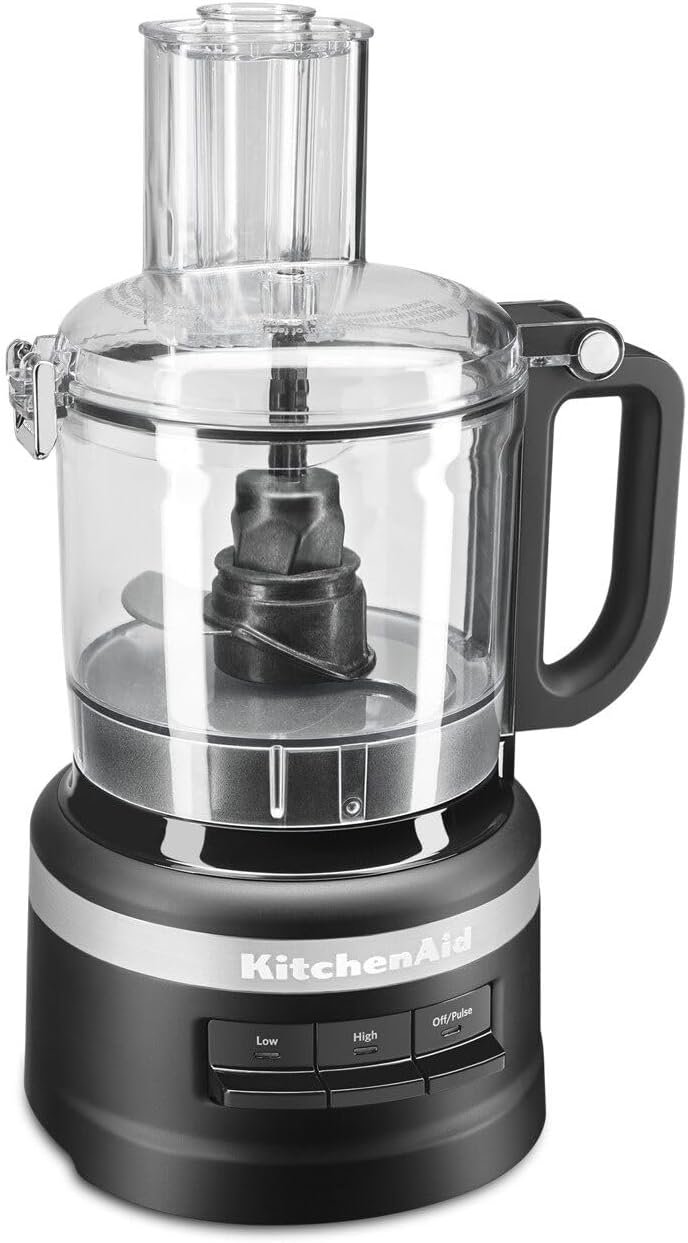
KitchenAid 7-Cup Food Processor
Blends the roasted flesh smooth in a minute or two, with no stringy bits, and pulses cold butter into flour for the crust on a warm day.
Check Price on Amazon →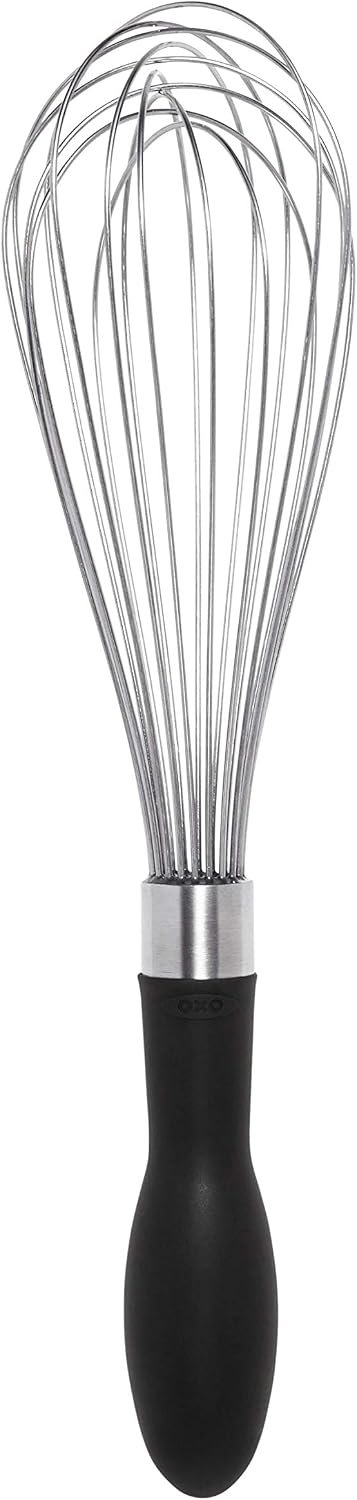
OXO Good Grips 11-Inch Balloon Whisk
The filling is one bowl and one whisk: sugars and spices into the purée, then the eggs and milk, stirred gently so little air goes in.
Check Price on Amazon →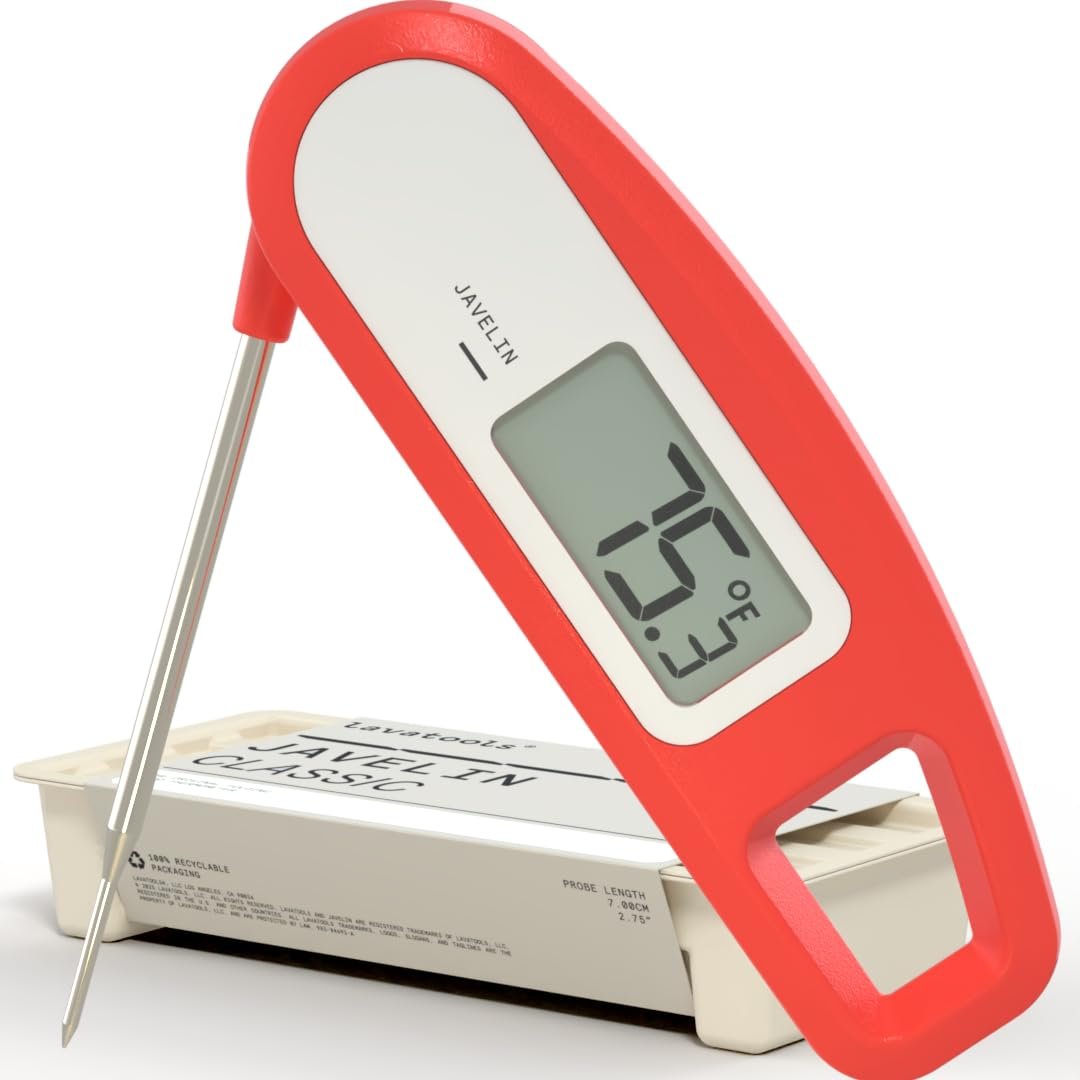
Lavatools Javelin Instant-Read Thermometer
The custard is done at 175°F (80°C) in the very center. A quick reading ends the guessing and gets the pie out before it cracks.
Check Price on Amazon →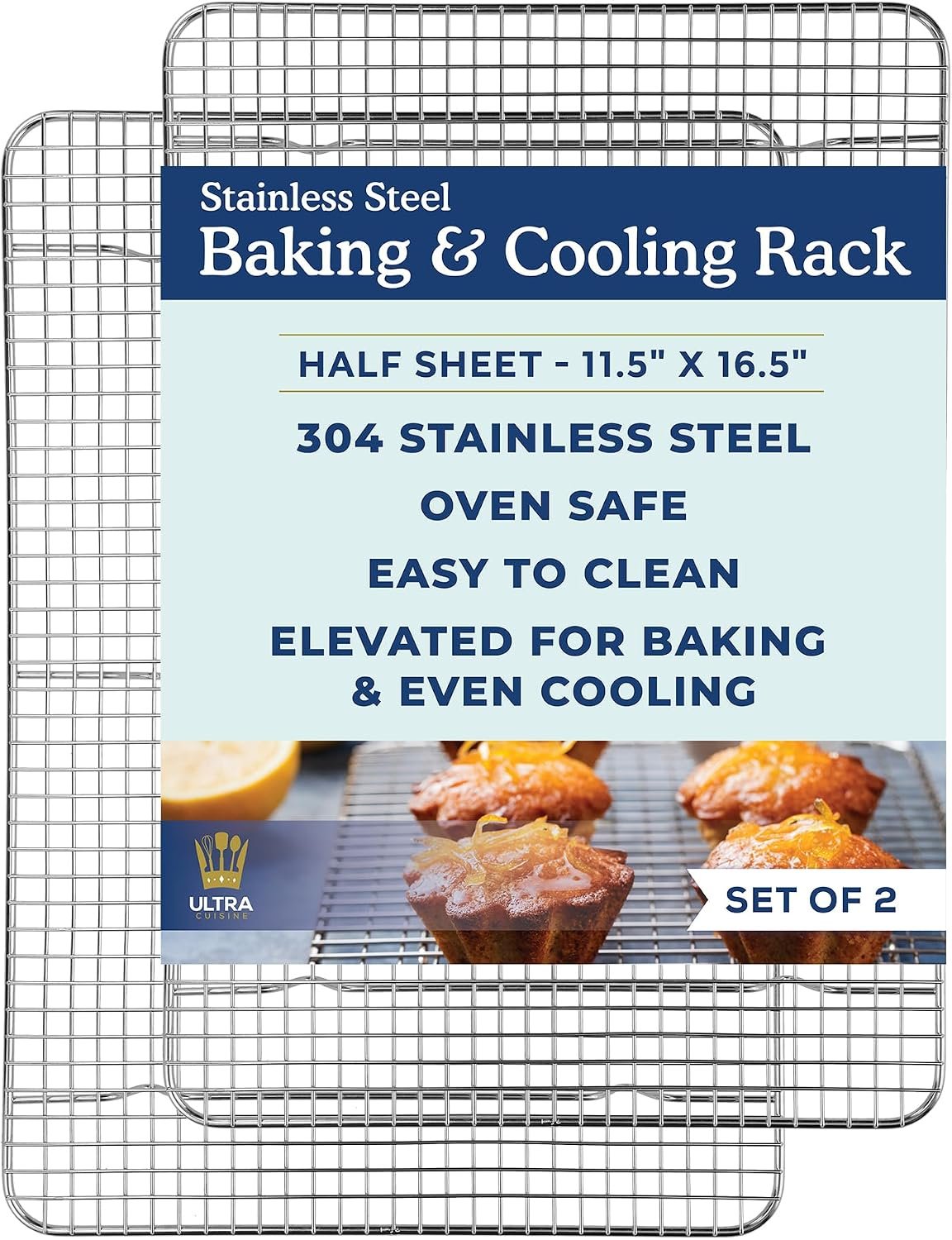
Ultra Cuisine Stainless Steel Cooling Racks, 2-Pack
The pie cools on a rack for at least 2 hours before slicing. Air underneath keeps the bottom crust from steaming soft.
Check Price on Amazon →Baking With Real Pumpkin: Pick, Prep and Purée
Real pumpkin pie starts with the right pumpkin. The ones grown for eating are small, dense and sweet. The big carving pumpkins sold for porches are bred for size and thin walls, and their flesh is watery, stringy and bland.
Which Pumpkin Makes the Best Pie
| Pumpkin | Size to buy | In the pie |
|---|---|---|
| PumpkinSugar or pie pumpkin | Size to buy2 to 4 lb (900 g to 1.8 kg), heavy for its size | In the pieSweet, dense and smooth: the pumpkin this pie is written for |
| PumpkinKabocha squash | Size to buy2 to 3 lb | In the pieDrier and nutty; it may need little or no draining |
| PumpkinButternut squash | Size to buy2 to 3 lb | In the pieSilky and mild; the easiest swap out of season and in the UK |
| PumpkinAcorn squash | Size to buySkip it | In the pieStringier and paler; not recommended for pie |
| PumpkinLarge carving pumpkin | Size to buyAvoid | In the pieBred for size and thin walls: watery, stringy and bland |
| PumpkinA carved or decorated pumpkin | Size to buyNever | In the pieOnce cut and left out, it is not food |
Choose one that feels heavy for its size, with a hard, dull rind, no soft spots and a firm, dry stem. Weigh it in the shop: the weight decides how many pies it makes.
How to Prep Real Pumpkin for Pumpkin Pie
- Wash itRinse the outside and scrub off any field dirt with a vegetable brush, then dry it so it won’t slip.
- Steady it, then halve itSet it on a damp towel and cut down through the stem end with a heavy chef’s knife. If the rind fights back, pierce it a few times and microwave it whole for 2 to 3 minutes.
- ScoopScrape out the seeds and strings with a sturdy metal spoon or an ice-cream scoop. Rinse the seeds and roast them as a snack.
- Oil the cut sidesA teaspoon of olive or neutral oil keeps the cut faces from drying out and helps them brown.
- Roast cut side down400°F on a parchment-lined sheet for 45 to 60 minutes, until a knife slides through skin and flesh with no resistance and the skin starts to wrinkle.
- Scoop it warmCool 15 minutes, then spoon the flesh away from the skin. Warm flesh blends smoother than cold.
How Much Purée From a Small Fresh Pumpkin
As a rule of thumb, each pound of whole sugar pumpkin gives a little under a cup of drained purée, about ⅞ cup. One pie needs 1¾ cups (425 g), so one small 2-lb pumpkin is one pie.
| Whole sugar pumpkin | Drained purée | Enough for |
|---|---|---|
| Whole sugar pumpkin2 lb (900 g): one small pumpkin | Drained puréeabout 1¾ cups (425 g) | Enough for1 pie |
| Whole sugar pumpkin3 lb (1.4 kg) | Drained puréeabout 2½ to 2¾ cups | Enough for1 pie, plus about a cup to spare |
| Whole sugar pumpkin4 lb (1.8 kg): two small pumpkins | Drained puréeabout 3½ cups (850 g) | Enough for2 pies |
| Whole sugar pumpkin6 lb (2.7 kg) | Drained puréeabout 5¼ cups | Enough for3 pies |
| Whole sugar pumpkin8 lb (3.6 kg) | Drained puréeabout 7 cups | Enough for4 pies |
Yields are approximate: a watery pumpkin loses more in the sieve and a dense kabocha loses less. Weigh after draining, and if a pumpkin comes up short, top it up with canned purée. A 2½- to 3-lb pumpkin leaves a safety margin.
How to Make Pumpkin Pie From Scratch With Pumpkin Chunks
Already cut a pumpkin into chunks, or prefer peeling to scooping? Chunks work as long as they end up as a smooth, thick purée. Roasted cubes give the deepest flavor; steamed chunks are quick but wet, so plan on longer draining.
| Method | How | Draining after |
|---|---|---|
| MethodRoasted cubes | HowPeel, cut into 1-inch cubes, toss with 1 tbsp oil and roast at 400°F for 25 to 35 minutes, turning once, until soft and browned at the edges | Draining afterLight: 20 to 30 minutes |
| MethodSteamed chunks | How2-inch chunks over simmering water, covered, for 15 to 20 minutes, until a fork slides in | Draining afterHeavy: about an hour, or cook it down |
| MethodBoiled chunks | HowNot recommended: the pumpkin soaks up water and loses flavor | Draining afterLong, and the pie still tastes thin |
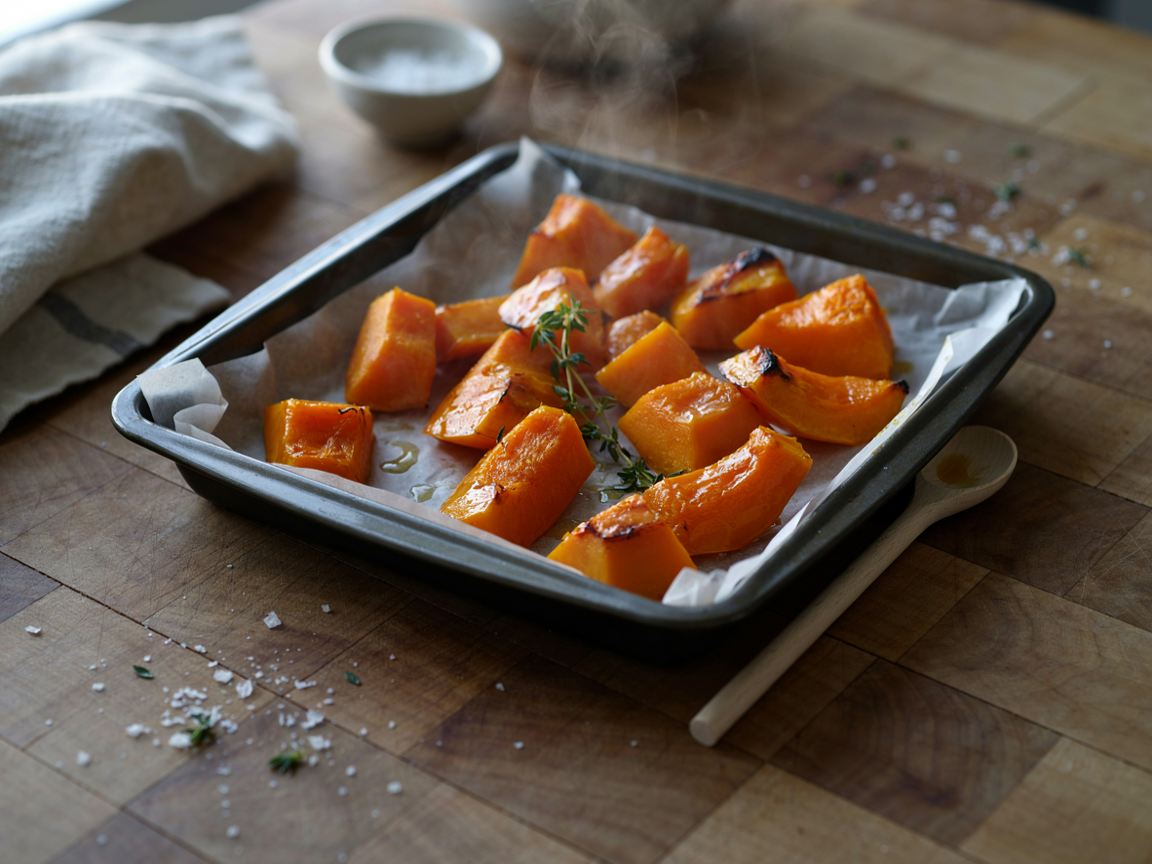
Peeled sugar pumpkin cubes after 30 minutes at 400°F: soft enough to crush with a fork and browned at the edges, ready for the blender.
Peeling raw pumpkin is the hard part. A sharp Y-peeler handles smooth sugar pumpkins; for ridged ones, cut wedges, lay each one flat and slice the skin away with a knife. Then blend and drain the cooked chunks exactly like roasted halves.
For the Best Pumpkin Purée From Scratch
- Roast, don’t boil. Water is the enemy of a clean set.
- Blend it warm for 1 to 2 minutes, scraping down once.
- Drain until a spoon stands up, then weigh: 425 g per pie.
- Sieve out strings if any remain after blending.
- Freeze extra in labeled 425 g portions, best within 8 to 12 months.
Scoop, Purée, Sweeten
Stripped to its bones, real pumpkin pie is three moves: scoop the roasted flesh from its skin, purée it smooth and thick, then sweeten and spice it into a custard. The extra care here, draining, blind-baking and pulling the pie at the wobble, is what turns those three moves into clean slices.
The All-Butter Crust, From Scratch
A homemade crust is just flour, cold butter, a little salt and sugar, and ice water. All butter gives the best flavor and a flaky, crisp shell, and it keeps the pie simple for a halal kitchen: no shortening labels to check.
Mix the Dough by Hand or in a Processor
By hand, whisk 1¼ cups (160 g) flour with the salt and sugar. Add ½ cup (113 g) cold cubed butter and rub it in with fingertips or a pastry cutter until it looks like coarse crumbs with some pea-sized pieces left. Those pieces make the flakes.
In a food processor, pulse the dry ingredients, add the butter and pulse 8 to 10 times. Either way, sprinkle in ice water a tablespoon at a time, tossing with a fork, until a handful holds together when squeezed. Press it into a disc, wrap it and chill it at least 1 hour.
Warm kitchen? Put the cubed butter in the freezer for 10 minutes before starting. If the dough turns sticky, chill it longer rather than adding flour; extra flour makes a tough crust.
Roll, Fit and Crimp
Let the cold disc sit 5 to 10 minutes, then roll it on a lightly floured counter into a 12-inch round about ⅛ inch thick, giving it a quarter turn every few rolls. Roll it loosely around the pin and unroll it over a 9-inch pie plate.
Ease the dough into the corners without stretching it; stretched dough shrinks in the oven. Trim to a 1-inch overhang, fold the edge under so it sits on the rim, and crimp it with two fingers and a thumb or press it with a fork. Freeze it 15 minutes before baking.
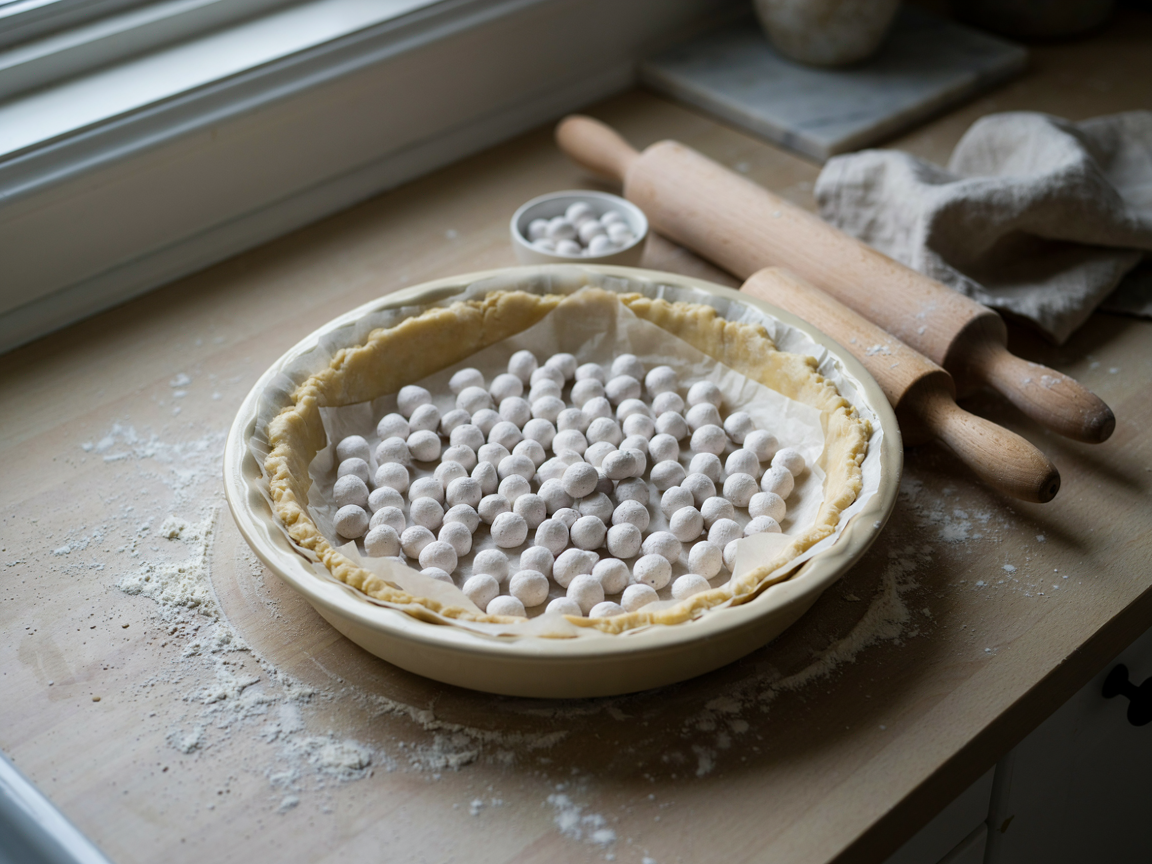
A freshly crimped all-butter crust, chilled and ready for parchment and pie weights.
Blind-Bake for a Crisp Base
Line the frozen crust with parchment, crumpled first so it fits, and fill it to the rim with pie weights or dried beans so the sides can’t slump. Bake at 400°F for 15 minutes, until the edge just begins to color.
Lift out the parchment and weights and bake 5 to 8 minutes more, until the base looks dry and pale gold. Brush the hot base with the spare egg white and return it for 1 minute: the thin layer seals it against the wet filling. Then lower the oven to 350°F.
Crust Fixes
| Problem | Why it happens | Next time |
|---|---|---|
| ProblemShrank down the sides | Why it happensDough stretched into the plate, or baked warm | Next timeEase it in loosely; freeze 15 minutes before baking |
| ProblemCracked while rolling | Why it happensToo cold, or a little dry | Next timeRest it 5 minutes; patch cracks with a scrap and a dab of water |
| ProblemBase puffed up | Why it happensWeights not filling the shell | Next timeFill the weights to the rim; press a bubble down gently while hot |
| ProblemPale, soggy bottom | Why it happensNot blind-baked long enough | Next timeBake until the base looks dry, then add the egg-white seal |
| ProblemEdge too dark | Why it happensA thin edge and a long second bake | Next timeShield it with foil or a pie shield after the first 25 minutes |
| ProblemTough, not flaky | Why it happensOverworked, or too much water | Next timeStop mixing once it holds; keep butter pieces visible |
Using a Store-Bought Crust
A store-bought 9-inch crust takes the same blind-bake. For a halal pie, choose an all-butter or vegetable-shortening crust and check the ingredient list for animal fats. Crusts in shallow foil pans hold less filling, so bake any extra in a buttered ramekin for 25 to 30 minutes.
How to Make Pumpkin Pie With Real Pumpkin: Day Before and Baking Day
Split across two days, each part fits around an ordinary day. The purée drains overnight in the fridge, which makes it thicker than any quick drain, and the dough gets a long, easy chill.
The Day Before
about 2 hours, mostly oven time
4:00 pm Mix the dough
Rub the butter into the flour, add ice water, press it into a disc and wrap it. It chills overnight, or up to 2 days.
4:15 pm Roast the pumpkin
Halve, seed and oil it, then roast it cut side down at 400°F for 45 to 60 minutes.
5:30 pm Purée and drain
Cool 15 minutes, scoop and blend. Set the purée draining in a lined sieve over a bowl, cover it and refrigerate it overnight.
Baking Day
about 4 hours, 40 minutes of it hands-on
9:00 am Roll and crimp
Let the dough sit 10 minutes, roll it, fit it into the plate and crimp, then freeze it 15 minutes. Heat the oven to 400°F.
9:30 am Blind-bake
Fifteen minutes with weights and 5 to 8 without, then the egg-white seal. Lower the oven to 350°F.
10:00 am Mix and bake
Weigh 425 g of drained purée, whisk the filling and pour it into the warm crust. Bake 50 to 60 minutes.
11:00 am Cool
Cool on a rack, away from drafts, for at least 2 hours.
1:00 pm Slice and serve
Serve at room temperature, or chill until dinner and slice cold with a hot, dry knife.
All in one day? Mix the dough first, roast the pumpkin while it chills, and drain the purée while the crust blind-bakes. Start to finish takes about 5½ hours, roughly an hour of it hands-on, and the pie still needs its 2-hour cool.
Three Ways to Know It Is Done
- The edgeSet, matte and slightly puffed about 2 inches in from the crust.
- The centerA 2- to 3-inch circle that wobbles as one piece when the plate is nudged, not in ripples.
- The thermometer175°F (80°C) in the very center. Past about 185°F, expect cracks.
Pull it there. The custard keeps cooking as it cools, and an extra 10 minutes in the oven is the usual cause of a crack down the middle.
Why It Bakes at 350°F
Many pumpkin pies start in a very hot oven to set an unbaked crust. This crust is already baked, so the pie skips the hot start: a steady 350°F sets the custard from edge to center in about an hour while the crimped edge browns gently. Shield the edge with foil if it darkens early.
Fresh Pumpkin Too Watery? How to Thicken It Before Baking
Fresh pumpkin flesh holds more water than canned, and the fix belongs before the eggs go in. Judge the purée, not the filling: the finished evaporated-milk mixture is meant to pour like thick soup.
| Problem | Do this | Time |
|---|---|---|
| ProblemLiquid pools around the purée and a spoon tips over | Do thisDrain it in a sieve lined with paper towels or cheesecloth, set over a bowl; stir once, gently | Time30 to 60 minutes, or overnight in the fridge |
| ProblemVery wet purée from steamed or boiled pumpkin | Do thisCook it down in a wide skillet over medium heat, stirring, until a spoon leaves a clear trail; cool it before mixing | Time5 to 10 minutes, plus cooling |
| ProblemNearly thick, but no time left to drain | Do thisWhisk 1 tbsp cornstarch into the sugars before the purée goes in, and bake to a full 175°F so the starch cooks | TimeNo extra time |
| ProblemLess than 425 g after draining | Do thisTop it up with canned 100% pumpkin rather than adding wetter purée | TimeNone |
| ProblemThe mixed filling looks thin | Do thisNormal: an evaporated-milk filling pours like thick soup. Judge the purée, not the filling | TimeNone |
| ProblemA wet layer under the baked slice | Do thisNext time, drain longer and pull the pie at 175°F; overbaking squeezes liquid out of the custard | TimeNext bake |
The Spoon Test
Stand a spoon upright in the middle of the purée. If it stays up, the purée is ready. If it slowly leans, give it 15 to 30 minutes more. If it tips straight over and liquid pools at the edge, keep draining or cook it down.
Don’t press hard on the purée in the sieve; that pushes pulp through along with the water. The drained liquid is just pumpkin water, so it can go into a soup or a pot of rice.
Easy Pumpkin Pie With Fresh Pumpkin, No Cream: UK Grams and Celsius
This pie uses no cream at all, only evaporated milk, which makes it an easy fit for a UK kitchen. Here is every amount in grams and millilitres. Roast and blind-bake at 200°C (180°C fan, gas 6), then bake the pie at 175°C (155°C fan, gas 4).
| Ingredient (UK name) | US amount | Metric |
|---|---|---|
| Ingredient (UK name)Plain flour | US amount1¼ cups | Metric160 g |
| Ingredient (UK name)Unsalted butter, cold | US amount½ cup (1 stick) | Metric113 g (115 g is fine) |
| Ingredient (UK name)Caster sugar, for the crust | US amount1 tsp | Metric4 g |
| Ingredient (UK name)Fine salt | US amount½ tsp + ½ tsp | Metric3 g + 3 g |
| Ingredient (UK name)Ice water | US amount3 to 5 tbsp | Metric45 to 75 ml |
| Ingredient (UK name)Small sugar pumpkin or butternut squash | US amountabout 2 lb | Metricabout 900 g |
| Ingredient (UK name)Drained purée | US amount1¾ cups | Metric425 g |
| Ingredient (UK name)Light brown soft sugar | US amount½ cup, packed | Metric105 g |
| Ingredient (UK name)Caster sugar, for the filling | US amount¼ cup | Metric50 g |
| Ingredient (UK name)Eggs | US amount2 large + 1 yolk | Metric2 medium + 1 yolk (UK sizes) |
| Ingredient (UK name)Evaporated milk | US amount1 cup | Metric240 ml (about 255 g) |
| Ingredient (UK name)Cinnamon, ginger, nutmeg, cloves | US amount1½, ½, ¼, ¼ tsp | MetricThe same spoons (5 ml teaspoon) |
| Ingredient (UK name)Pie dish | US amount9-inch | Metric23 cm, standard depth |
UK Shopping Notes
- Pumpkins: small culinary pumpkins can be scarce; butternut squash roasts the same way and is in shops all year.
- Evaporated milk: sold in 410 g cans; 240 ml is just under two-thirds of one. The rest suits porridge or coffee.
- Cornstarch is cornflour, for the watery-purée fix above.
- Pie dish: a 23 cm pie dish, or a deep 23 cm loose-bottomed tart tin.
- No cream anywhere in the pie. A spoon of whipped double cream on top is optional.
Ways to Change Up a Scratch Pumpkin Pie
Each version starts from the card and changes one thing: the crust, the sweetener, the spice, the size or the milk. Tap one:
Brown Butter Crust
Melt 2 tbsp of the crust butter and cook it until the solids turn golden and it smells nutty. Pour it into a small dish, freeze it until firm, about 20 minutes, then cut it in with the rest of the cold butter. Add a teaspoon more ice water if the dough seems dry.
Maple-Sweetened Filling
Replace both sugars with ⅔ cup (160 ml) pure maple syrup and cut the evaporated milk to ¾ cup (180 ml) to balance the extra liquid. The pie bakes up a little less sweet and lighter in color, with a gentle woodsy note; allow about 5 minutes more.
Cardamom and Orange
Add ½ tsp ground cardamom and 1 tsp finely grated orange zest to the sugar and spices, and drop the cloves to ⅛ tsp so they don’t compete. The zest brightens the pumpkin and the cardamom adds a warm, floral edge.
Graham Cracker Crust
Skip the pastry. Stir 1½ cups (150 g) fine graham cracker crumbs with 6 tbsp (85 g) melted butter and 2 tbsp sugar, press it into the plate and bake at 350°F for 10 minutes. Cool 10 minutes, fill and bake as written. In the UK, crush digestive biscuits.
Mini Pumpkin Pies
Make the 2-pie amount of dough and cut about 18 four-inch rounds, re-rolling scraps once. Press them into two muffin tins and freeze 15 minutes. Blind-bake at 400°F for 10 to 12 minutes with weights, fill each three-quarters full with one batch of filling and bake at 350°F for 20 to 25 minutes.
Dairy-Free Coconut Milk
Swap the evaporated milk for 1 cup full-fat canned coconut milk, stirred smooth, and make the crust with a firm plant-based baking block in place of butter. The coconut stays in the background and the pie sets well; chill it fully for the cleanest slices.
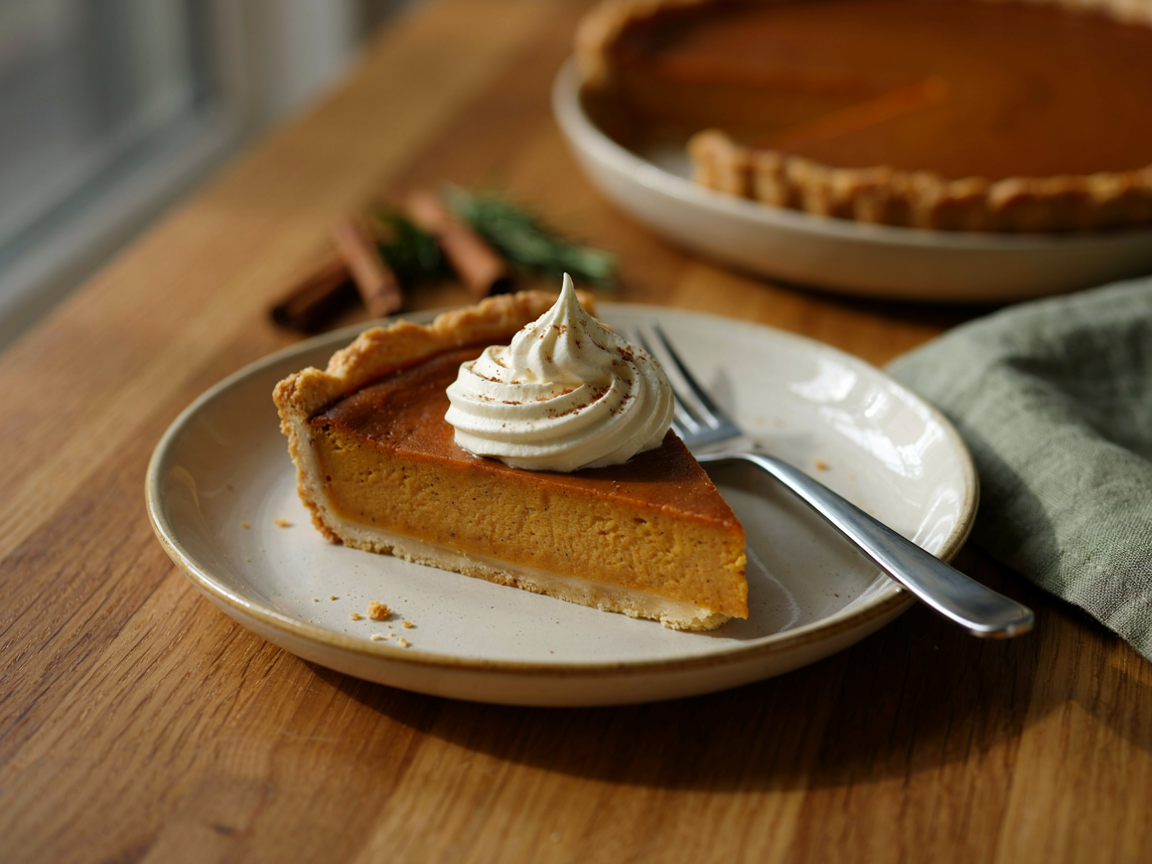
A cold slice with softly whipped cream: a smooth, deep orange custard over a flaky butter crust.
How to Serve It
Serve it at room temperature or chilled, with softly whipped cream and a pinch of cinnamon. For a lightly spiced topping that holds its shape on a make-ahead pie, try this pumpkin pie whipped cream.
Want a taller pie? A deep-dish plate needs about 1½ batches of filling and a longer bake; the deep-dish pumpkin pie has the full method. Baking for two or three? Try this small pumpkin pie. For more crusts, flavors and formats, browse these pumpkin pie variations.
Storing, Freezing and Making It Ahead
The make-ahead parts are the purée and the dough. Bake the pie itself the day before serving at the earliest: the crust softens a little each day in the fridge, though the flavor doesn’t suffer.
| What | Where | How long |
|---|---|---|
| WhatDrained pumpkin purée | WhereFridge, covered | How long3 to 4 days |
| WhatDrained pumpkin purée | WhereFreezer, in 1¾-cup (425 g) portions | How longBest within 8 to 12 months |
| WhatPie dough disc | WhereFridge, wrapped | How longUp to 2 days |
| WhatPie dough disc | WhereFreezer, wrapped twice | How longUp to 1 month |
| WhatUnbaked filling | WhereFridge, covered | How longUp to 2 days; whisk before pouring |
| WhatBaked pie | WhereCounter, while it cools | How long2 hours, then into the fridge |
| WhatBaked pie | WhereFridge, loosely covered once cold | How long3 to 4 days |
| WhatBaked pie or slices | WhereFreezer, in plastic wrap and then foil | How longUp to 1 month |
Pumpkin pie is an egg-and-milk custard, so it belongs in the fridge once cool. Never home-can pumpkin purée or pie filling: it is too dense for heat to reach the center of the jar reliably. Pressure-can plain cubes instead, as in this guide to canning pumpkin pie filling, or freeze the purée.
Thawing and Serving From Frozen
Thaw a frozen pie or slices overnight in the fridge. To take the chill off a slice, warm it at 300°F for 10 to 12 minutes, or let it sit out for 20 minutes. Frozen purée thaws overnight in the fridge; pour off any liquid and drain it again if it looks wet.
Leftover Purée
A 3-lb pumpkin leaves about a cup of purée after one pie. Stir it into oats, muffin batter or pancake batter, or find more ideas in these sugar pie pumpkin recipes.
Nutrition (approximate, per slice)
One of 8 slices, with the all-butter crust and before whipped cream; the filling alone is about 160 calories a slice. Contains eggs, dairy and gluten. Halal with alcohol-free vanilla and the all-butter crust.
From Scratch Pumpkin Pie: FAQ
How do you make pumpkin pie from scratch with real pumpkin?
Roast a halved 2-lb sugar pumpkin at 400°F for 45 to 60 minutes, blend the flesh and drain it until thick. Whisk 1¾ cups with ½ cup brown sugar, ¼ cup white sugar, spices, salt, 2 eggs plus a yolk, 1 cup evaporated milk and alcohol-free vanilla. Bake in a blind-baked butter crust at 350°F for 50 to 60 minutes.
What is the best pumpkin for a from scratch pumpkin pie?
A small sugar or pie pumpkin, 2 to 4 lb, heavy for its size, with a hard rind and no soft spots. Kabocha and butternut squash make excellent pies too. Large carving pumpkins are watery, stringy and bland, so the pie tastes thin and may not set.
How much purée does a small fresh pumpkin make?
Roughly ⅞ cup of drained purée per pound of whole pumpkin. A 2-lb (900 g) sugar pumpkin gives about 1¾ cups (425 g), one pie; a 4-lb pumpkin, or two small ones, makes enough for two. Watery pumpkins lose more in the sieve, so weigh after draining.
Is it better to roast or boil pumpkin for pie?
Roast it. Dry oven heat drives off water and browns the cut edges, so the purée is sweeter and thicker. Boiled pumpkin soaks up water and tastes pale, and that water seeps out of the baked custard. Steaming sits in between; drain steamed purée well.
How do you thicken watery fresh pumpkin before baking?
Drain it in a sieve lined with paper towels for 30 to 60 minutes, or overnight in the fridge. If it is still loose, stir it in a wide skillet over medium heat for 5 to 10 minutes and cool it. As a last resort, whisk 1 tablespoon of cornstarch into the sugars.
Can you make pumpkin pie with pumpkin chunks?
Yes, as long as they become purée. Roast peeled 1-inch cubes at 400°F for 25 to 35 minutes, or steam 2-inch chunks for 15 to 20 minutes, then blend until smooth and drain until a spoon stands up. Lumpy chunks won’t set into a smooth custard.
Do you have to blind-bake the crust for pumpkin pie?
For this recipe, yes. A wet custard poured into raw pastry soaks in before the pastry can set, leaving a pale, doughy base. Blind-baking at 400°F, 15 minutes with weights and 5 to 8 without, sets the crust first, and an egg-white seal keeps it crisp.
Why did my homemade pumpkin pie crack?
Almost always overbaking: past about 185°F in the center, the custard puffs, then shrinks and splits as it cools. A hot oven and air whisked into the filling add to it. Pull the pie when the center wobbles as one piece at 175°F and cool it away from drafts.
Can you make pumpkin pie without cream?
Yes. This pie uses no cream at all: 1 cup (240 ml) of evaporated milk plus an extra egg yolk bakes into a classic, firm, sliceable custard. For a silkier pie made with cream and milk and baked at 325°F, see the cream-custard filling.
Can I use butternut squash instead of pumpkin?
Yes. Butternut squash roasts into a very smooth, mildly sweet purée and is easy to find all year, including in the UK. Kabocha is drier and may need little draining. Acorn squash is stringier and not recommended. Use the same 425 g of drained purée.
Can I use canned pumpkin in this recipe?
Yes. One 15-oz (425 g) can of 100% pumpkin replaces the roasted purée; skip the roasting, blending and draining. Avoid cans labeled pumpkin pie filling or mix, which are already sweetened and spiced. For a recipe built around the can, see this canned pumpkin pie filling recipe.
Is real pumpkin pie from scratch easy?
Easier than it sounds. No single step is hard: the roasting is hands-off, the dough takes 15 minutes and the filling is one bowl. The real cost is time, about 5½ hours in one day, so it splits well over two: purée and dough the day before, bake on the day.
Can I make pumpkin pie ahead of time?
Yes. Drained purée keeps 3 to 4 days in the fridge or up to a year in the freezer, best within 8 to 12 months. The dough keeps 2 days chilled. Bake the pie the day before serving and refrigerate it once it has cooled for 2 hours; the crust is crispest on day one.
How long does homemade pumpkin pie last?
Loosely covered in the fridge, 3 to 4 days. Being an egg-and-milk custard, it goes into the fridge once it has cooled for 2 hours. Wrapped in plastic and then foil, a baked pie or slices freeze for up to 1 month; thaw them overnight in the fridge.
More Pumpkin Pies to Bake
The cream-custard and canned fillings, a deep-dish pie, a small pie, more variations and more ways with sugar pumpkins.
Pumpkin Pie Filling From Scratch
The silkier cream-and-milk filling from a roasted pumpkin, baked low at 325°F. See the recipe → Canned PuréePumpkin Pie Filling Recipe
The classic canned-pumpkin filling, baked hot and then low. See the recipe → Deep DishDeep-Dish Pumpkin Pie
A taller pie with more filling for a bigger table. See the recipe → Small BatchSmall Pumpkin Pie
A little pie for two or three. See the recipe → VariationsPumpkin Pie Variations
New crusts, flavors and formats for the classic. See the ideas → More PumpkinSugar Pie Pumpkin Recipes
Sweet and savory ways to use the rest of the pumpkin. See the list →A small pumpkin, a cold-butter crust and two unhurried days: that is the whole recipe.
Save this from scratch pumpkin pie for baking day.