
Power Outage Food Safety: What to Keep, What to Toss and How Long Food Lasts
USDA timings for the fridge and freezer, food-group charts and the steps that buy time before, during and after a storm.
Power outage food safety comes down to two numbers: 40°F and 2 hours. Perishable food that has been warmer than 40°F for more than 2 hours can make people sick even when it looks and smells fine.
So the job is knowing how long the fridge and freezer hold, what to do at each stage, and which foods to keep afterward. For the food that needs no fridge at all, see the best emergency foods to buy at the grocery store.
Quick answer
A closed fridge keeps food safe about 4 hours; a full freezer about 48 hours and a half-full one about 24, if the doors stay shut. Throw out perishable food that has been above 40°F for more than 2 hours. Frozen food with ice crystals, or at 40°F or below, can be refrozen. Never taste food to decide.
Power Outage Food Safety: How Long Food Lasts
USDA guidance gives three clocks, and all of them assume the doors stay closed. The freezer bars are long because frozen food keeps itself cold; the fridge has only cold air to lose.
Once those times run out, the rule is simple: perishable food that has been above 40°F for more than 2 hours gets thrown out. That covers meat, fish, milk, eggs, soft cheese and leftovers. Hard cheese, butter, whole fruit, bread and most condiments are far more forgiving, as the charts below show.
Planning the pantry side, so the household eats well while the fridge stays shut? The guide to the best emergency foods to buy at the grocery store lists what to stock.
Before the Outage: 6 Steps That Buy Time
Most of power outage food safety happens before the lights go out. With a storm in the forecast, these six steps take an evening and can save a full fridge.
Put thermometers inside
An appliance thermometer in the fridge and one in the freezer settle every question later. The fridge should read 40°F or below, the freezer 0°F or below.
Freeze water and make ice
Fill clean jugs and containers, leaving room at the top, and freeze them. They keep the freezer and coolers cold, then thaw into drinking water.
Group the food
Pack freezer food tightly together and gather milk, meat and leftovers on one fridge shelf, so a single quick grab moves them to a cooler.
Get the coolers ready
Find the coolers, freeze the gel packs and know which stores nearby sell bagged ice, block ice or dry ice before everyone else needs them.
Write down the start time
Note when the power goes out. Every timing in this guide counts from that moment, and memory is unreliable after a long dark night.
Stock food that needs no fridge
Canned fish, chicken and beans, peanut butter, crackers and shelf-stable milk carry the household once the fridge food is gone.
Frozen jugs do double duty as drinking water once they thaw; this guide on how to store water for emergencies covers containers and amounts. For the rest of the cupboard, the 72 hour emergency kit food list is a good model for a few days with no fridge at all.
Light, news and a charged phone make every decision easier while the power is out.
As an Amazon Associate, this site earns from qualifying purchases. Prices and availability are those shown on Amazon at the time you click.
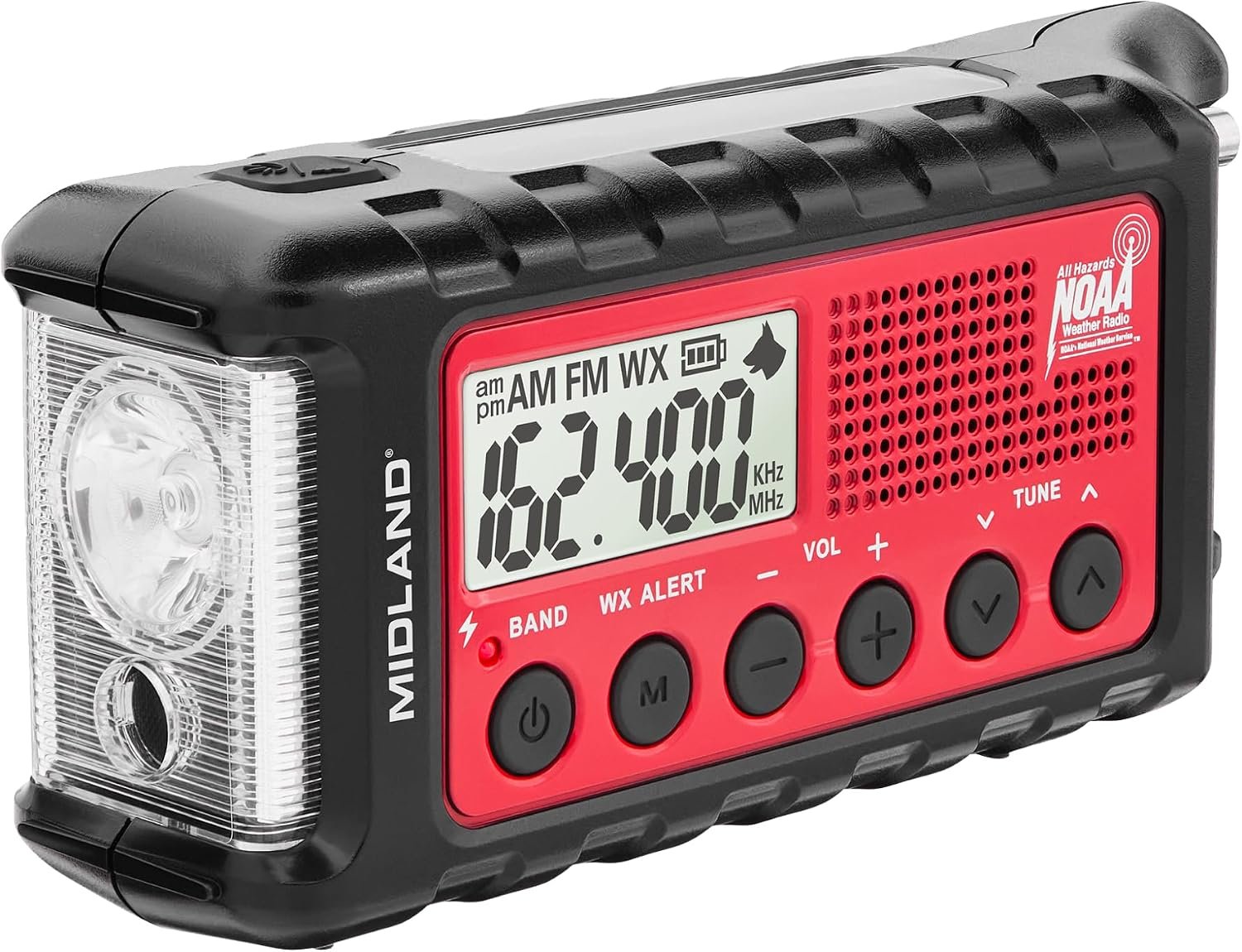
Midland ER310 Emergency Crank Weather Radio
Weather alerts and news on hand-crank, solar or battery power, so it is clear how long an outage may last before the 4-hour mark arrives.
Check Price on Amazon →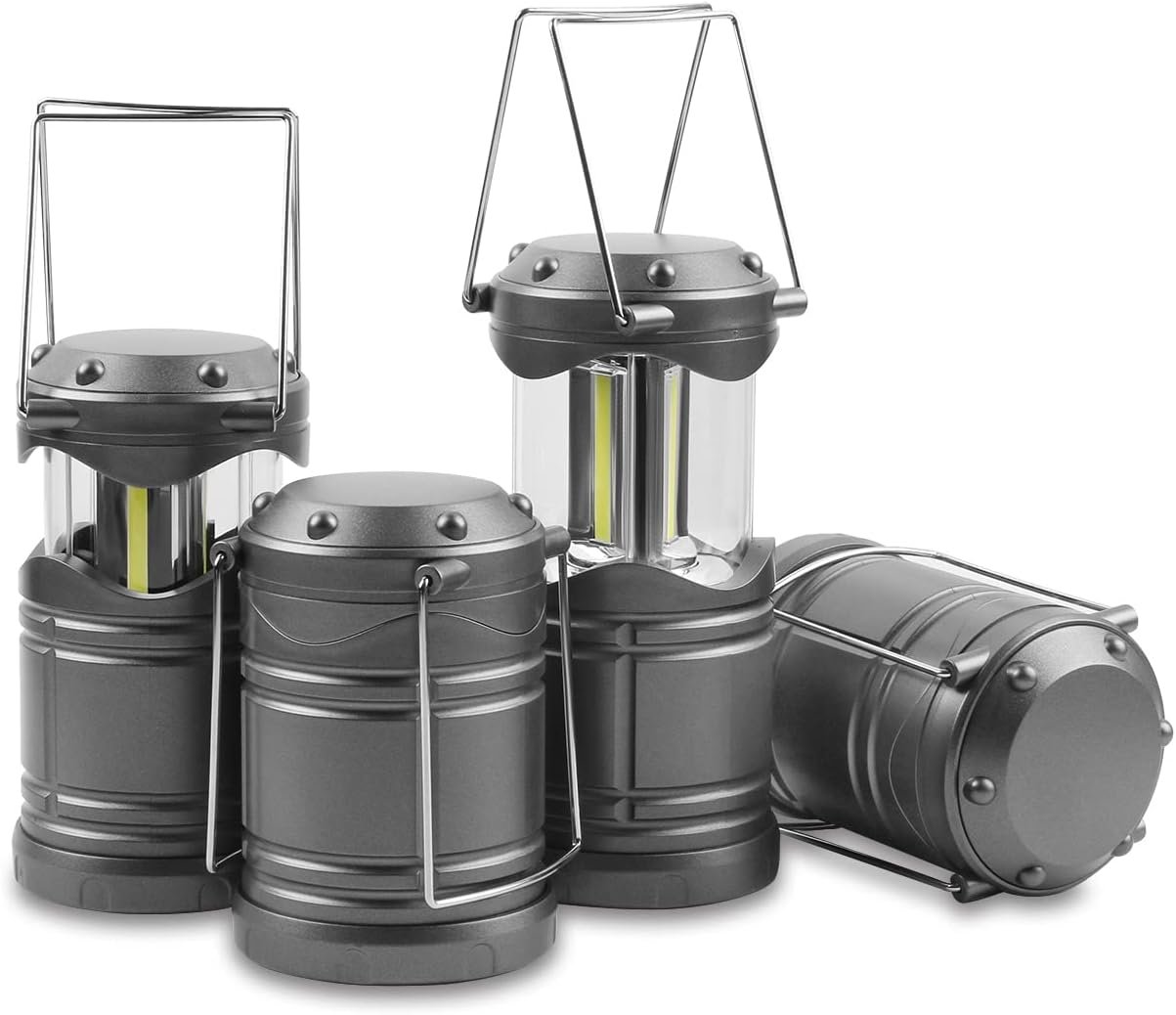
Lichamp LED Camping Lanterns (4-Pack)
Light to find food fast and shut the door again. One lantern beside the fridge beats a long search by phone light with the door open.
Check Price on Amazon →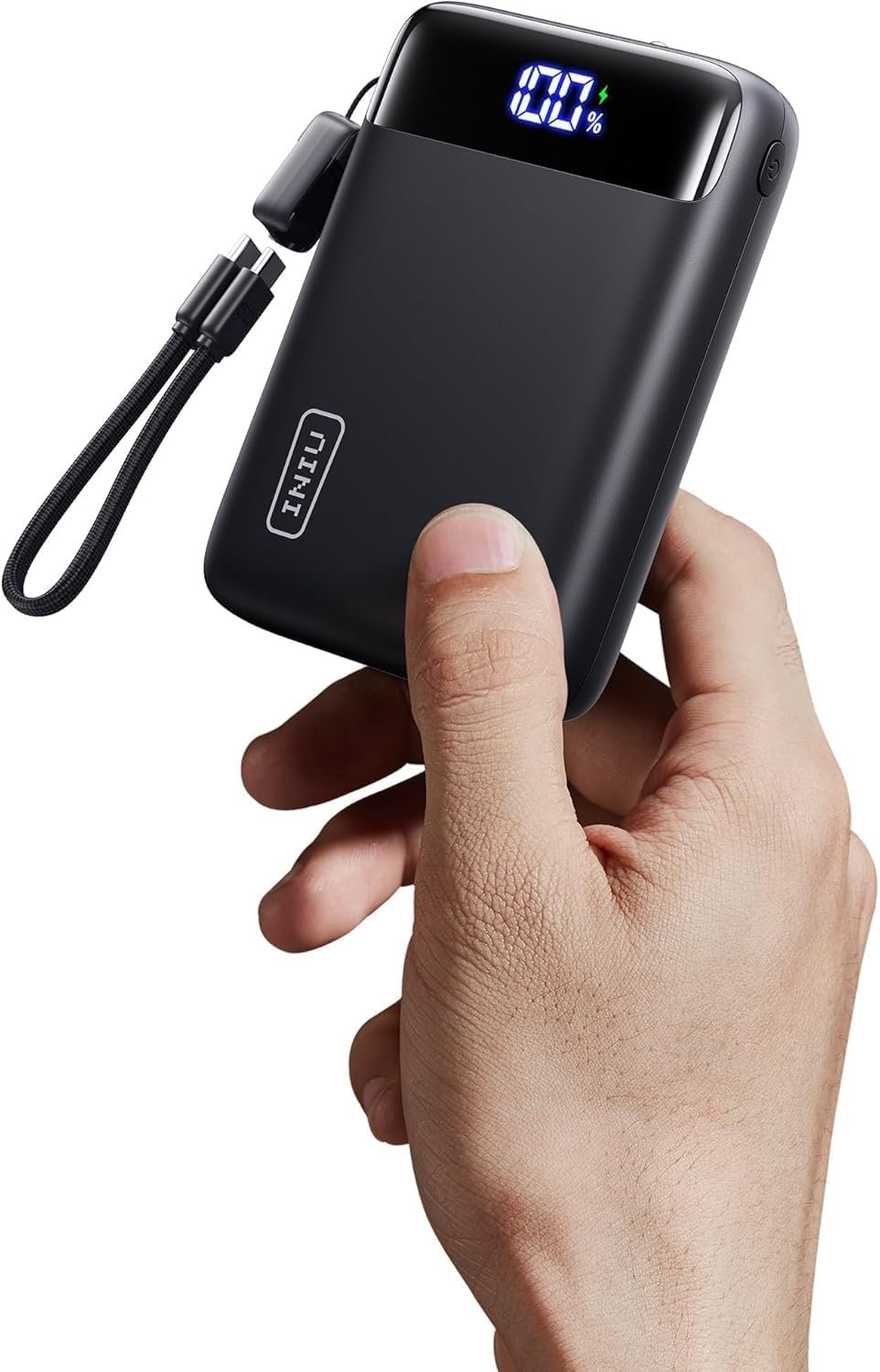
INIU 20,000mAh Portable Charger
A charged phone for weather updates and calls to the pharmacy. Fill it the day a storm is forecast.
Check Price on Amazon →During the Outage: Doors Shut, Cooler at 4 Hours
Note the time the power went out, then follow the clock rather than guessing.
Keep the doors shut
A closed fridge keeps food safe for about 4 hours; a full freezer about 48 and a half-full one about 24. Every opening shortens that.
Move food to a cooler at 4 hours
If the power is still out after about 4 hours, pack milk, meat, fish, eggs and leftovers into a cooler with ice or frozen gel packs, with a thermometer inside.
Add ice to the freezer for long outages
Block ice or dry ice keeps a freezer colder for longer. Handle dry ice with thick gloves, never touch it bare-handed and keep the room ventilated.
Eat from the pantry
Once the fridge food is eaten or packed away, meals come from cans and dry goods that need no fridge at all.
Carbon monoxide: never run a generator, camp stove or grill indoors, in a garage or on an enclosed porch, even to save the food. Keep a generator well away from doors and windows.
For meals while the fridge stays shut, see what to eat when the power goes out; the best canned foods for emergencies are the backbone of the days after.
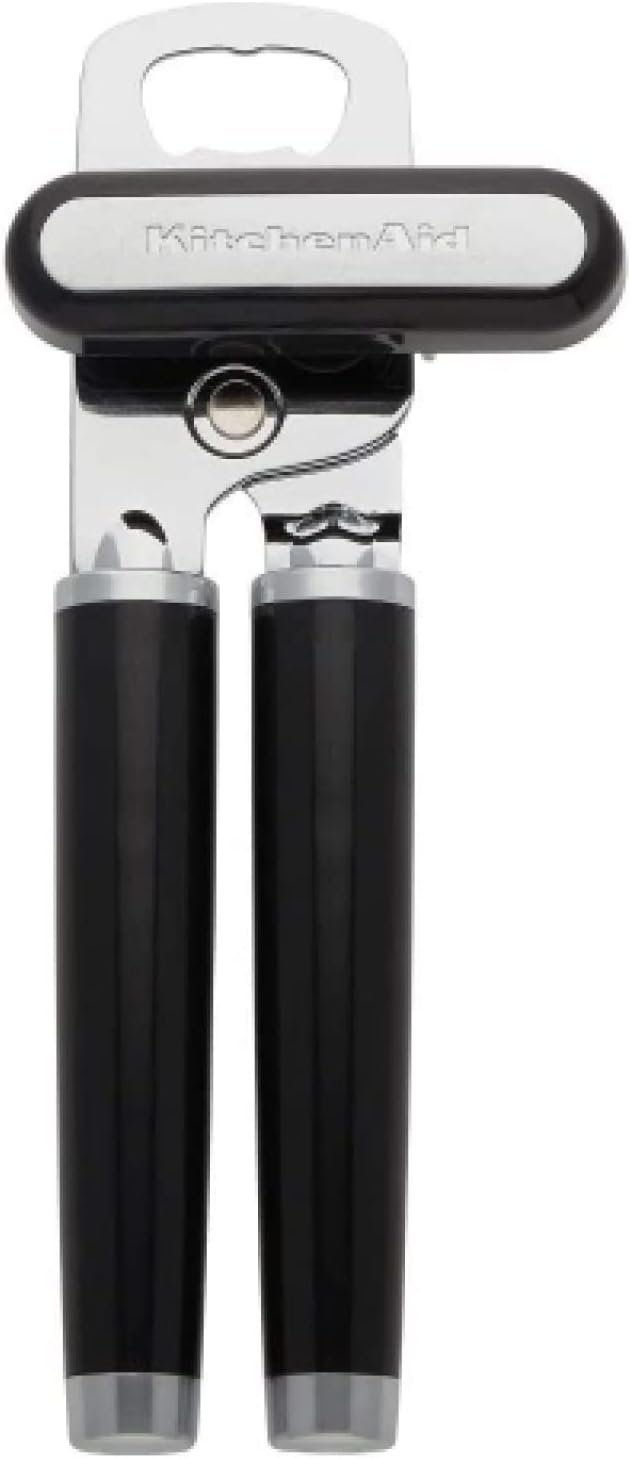
KitchenAid Classic Multifunction Can Opener
Once the fridge food is used up or tossed, meals come from cans. A sturdy hand-turned opener belongs in the outage box.
Check Price on Amazon →Keep or Toss: Fridge and Freezer Charts by Food Group
Choose the fridge or the freezer. The charts follow USDA guidance for food that has been above 40°F for more than 2 hours; where the official window is longer, these charts err on the side of tossing.
Keep means it can be kept and used. Toss means throw it out. Refreeze means it can go back in the freezer. Anything with mold, a sour smell or a slimy feel goes, whatever the chart says.
Fridge Food: Keep or Toss
For food that was above 40°F for more than 2 hours. If the fridge stayed at 40°F or below, everything is fine.
Meat, poultry and fish
- Raw or cooked meat, poultry, fish and seafoodToss
- Meat or poultry thawing in the fridgeToss
- Tuna, chicken or egg saladToss
- Opened canned meat and fishToss
Deli and ready-to-eat
- Halal deli slices and hot dogsToss
- Pizza, with any toppingToss
- Hummus and creamy dipsToss
Milk and dairy
- Milk, cream, sour cream, buttermilk and yogurtToss
- Soy and other plant milks from the fridgeToss
- Opened baby formulaToss
- Butter and margarineKeep
Cheese, by type
- Hard cheese: cheddar, Swiss, parmesan, provoloneKeep
- Processed cheese slices and spreadsKeep
- Grated parmesan in a shaker can or jarKeep
- Soft cheese: brie, cream cheese, cottage cheese, ricotta, mozzarellaToss
- Shredded and low-fat cheeseToss
Eggs
- Fresh eggs and hard-cooked eggsToss
- Egg dishes, custards and puddingsToss
- Liquid egg productsToss
Leftovers and cooked food
- Cooked pasta, rice and potatoesToss
- Casseroles, soups and stewsToss
- Gravy, broth and stuffingToss
- Pasta salad and potato saladToss
- Cooked vegetables and tofuToss
Sauces and condiments
- Peanut butter, jam and jellyKeep
- Ketchup, mustard, relish, pickles and olivesKeep
- Soy, barbecue and hoisin sauceKeep
- Opened vinegar-based dressingsKeep
- Opened mayonnaise, tartar sauce and creamy dressingsToss
- Opened jarred pasta sauceToss
- Fish sauce, oyster sauce and garlic in oilToss
Fruit and vegetables
- Whole fresh fruit, dried fruit and datesKeep
- Opened fruit juice and canned fruitKeep
- Raw whole vegetables, mushrooms and fresh herbsKeep
- Cut fresh fruitToss
- Pre-cut, pre-washed bagged greensToss
- Opened vegetable juice and baked potatoesToss
Bread and baked goods
- Bread, rolls, tortillas, bagels and muffinsKeep
- Plain cakes, waffles, pancakes and fruit piesKeep
- Refrigerated biscuit and cookie doughToss
- Fresh pastaToss
- Cream-filled pastries, custard pies and cheesecakeToss
Freezer Food: Refreeze or Toss
Still icy means it still has ice crystals or reads 40°F or below. Thawed 2+ hrs means it has been above 40°F for more than 2 hours.
Meat, poultry and fish
- Meat, poultry, fish and shellfishStill icyRefreezeThawed 2+ hrsToss
- Freezer meals, pizza and meat piesStill icyRefreezeThawed 2+ hrsToss
Dairy and eggs
- Milk (texture may change)Still icyRefreezeThawed 2+ hrsToss
- Ice cream and frozen yogurtStill icyTossThawed 2+ hrsToss
- Hard cheeseStill icyRefreezeThawed 2+ hrsRefreeze
- Soft and shredded cheeseStill icyRefreezeThawed 2+ hrsToss
- Egg products out of the shellStill icyRefreezeThawed 2+ hrsToss
Cooked dishes
- Casseroles with pasta or riceStill icyRefreezeThawed 2+ hrsToss
- Dishes with milk, cream, eggs or soft cheeseStill icyRefreezeThawed 2+ hrsToss
- Cheesecake, custard and cheese piesStill icyRefreezeThawed 2+ hrsToss
Fruit and vegetables
- Fruit and fruit juice (toss if moldy, slimy or yeasty)Still icyRefreezeThawed 2+ hrsRefreeze
- Vegetables and vegetable juiceStill icyRefreezeThawed 2+ hrsToss
Bread and baking
- Bread, rolls, muffins and plain cakesStill icyRefreezeThawed 2+ hrsRefreeze
- Waffles, pancakes and bagelsStill icyRefreezeThawed 2+ hrsRefreeze
- Pie crusts and bread dough (quality drops)Still icyRefreezeThawed 2+ hrsRefreeze
- Flour, cornmeal and nutsStill icyRefreezeThawed 2+ hrsRefreeze
When the Power Comes Back: 5 Quick Checks
- Read the fridge thermometer: 40°F or below means the food inside is fine
- Check the freezer: food with ice crystals, or at 40°F or below, can be refrozen
- Count the hours: fridge perishables left more than about 4 hours without a cooler go
- Work through the chart group by group, and toss anything moldy, slimy or sour-smelling
- Never taste-test anything doubtful: when in doubt, throw it out
Check With a Thermometer, Never a Taste Test
An appliance thermometer answers the big question in seconds. If the fridge still reads 40°F or below when the power returns, the food inside is fine. In the freezer, food at 40°F or below, or still holding ice crystals, can be refrozen.
No thermometer? Go by the clock. Perishables left in the fridge for more than about 4 hours without a cooler should go, and each freezer package needs checking for ice crystals. A food thermometer checks single items, such as meat from the cooler.
Never taste food to decide.
Bacteria that cause food poisoning do not always change how food looks, smells or tastes, and a small bite can be enough to make someone ill. When in doubt, throw it out.
Alarm models such as these fridge and freezer thermometers with alarms warn the moment the freezer warms, even overnight, and these simple fridge thermometers need no power at all.
Medicines That Need the Fridge
Some medicines, insulin among them, are labeled to keep refrigerated. The food charts do not apply to them, and looks are no guide. If the power has been out, ask a pharmacist whether a medicine is still usable and how to store it until the power returns.
Before storm season, ask the pharmacist how each refrigerated medicine should be handled in an outage and write the answer on the box. Keep the pharmacy’s phone number with the outage supplies.
Cleaning the Fridge After a Power Outage
Spoiled food leaves smells and spills behind. Clean before restocking, so the fridge starts fresh.
Empty and sort
Take everything out, check it against the charts above and bag anything that goes. Take the bags out of the house straight away.
Wash
Wash shelves and drawers in hot, soapy water, and wipe the inside walls, the door and the rubber seals.
Rinse and sanitize
Rinse with clean water, then wipe with a sanitizing solution of unscented bleach and water, mixed as the bleach label directs.
Air it out
Dry everything with clean towels and leave the door open for a while so the inside dries completely.
Deal with odors
An open box of baking soda on a shelf absorbs lingering smells. Wipe stubborn spots with baking soda and water.
Restock when cold
Wait until the fridge reads 40°F or below and the freezer 0°F before putting food back.
A fridge that still smells after a thorough clean and a few days with baking soda may need professional cleaning or replacing.
Power Outage Food Safety FAQ
How long does food last in the fridge without power?
About 4 hours, if the door stays closed. After that, perishable food such as meat, fish, milk, eggs and leftovers that has been above 40°F for more than 2 hours should be thrown out. Move it into a cooler with ice before then.
How long does a freezer stay cold without power?
A full freezer holds a safe temperature for about 48 hours and a half-full one for about 24 hours, as long as the door stays closed. Packing food tightly together and adding frozen water bottles helps.
Is fridge food safe after the power was out for 8 hours?
Perishables left in a warm fridge for 8 hours are not: anything above 40°F for more than 2 hours goes. Food moved into a cooler with ice by the 4-hour mark, and still at 40°F or below, is fine. A closed freezer should still be frozen.
Can you refreeze food that thawed during a power outage?
Yes, if it still has ice crystals or is at 40°F or below. Texture may suffer, but it is safe. Thawed perishable food that has been above 40°F for more than 2 hours should be thrown out, not refrozen.
Are eggs safe after a power outage?
Only if they stayed at 40°F or below. Fresh eggs, hard-cooked eggs, egg dishes and liquid egg products that were above 40°F for more than 2 hours should be thrown out, even if they look fine.
Is cheese safe after a power outage?
Hard cheeses such as cheddar, Swiss and parmesan, processed cheese and grated parmesan in a jar can be kept. Soft cheeses such as brie, cream cheese, cottage cheese, ricotta and mozzarella, and shredded or low-fat cheese, should be thrown out after more than 2 hours above 40°F.
Is milk safe after a power outage?
Milk, cream, yogurt, sour cream and opened baby formula that were above 40°F for more than 2 hours should be thrown out. Butter and margarine can be kept. Unopened shelf-stable boxed milk was never at risk.
What condiments are safe after a power outage?
Peanut butter, jam, jelly, ketchup, mustard, relish, pickles, olives, soy and barbecue sauce, and vinegar-based dressings can be kept. Opened mayonnaise, tartar sauce, creamy dressings, jarred pasta sauce, fish sauce and oyster sauce should go.
How do you know if food is safe after a power outage?
Use a thermometer, not your nose. If the fridge or the food reads 40°F or below, it is safe. Bacteria that cause illness do not always change how food looks or smells, so never taste food to decide. When in doubt, throw it out.
What should you do with insulin or medicine after a power outage?
Ask a pharmacist. Some medicines, insulin among them, are labeled to keep refrigerated, and only a pharmacist or doctor can say whether a dose that warmed up is still usable and how to store it until the power returns.
Can you keep food outside in the snow during a power outage?
It is not reliable. Sun can warm food even on a cold day, temperatures swing, and animals find it. A safer use for snow: pack it into buckets or bags to keep a cooler or the freezer cold.
How do you clean the fridge after a power outage?
Empty it and throw out spoiled food, then wash shelves, drawers and seals with hot soapy water. Rinse, wipe with an unscented bleach solution mixed as the label directs, dry and air it out. An open box of baking soda handles lingering odors.
Is food safe in a cooler during a power outage?
Yes, while it stays at 40°F or below. Pack it with plenty of ice or frozen gel packs, keep a thermometer inside, open it as little as possible and add ice as it melts.
Do you have to throw everything out after a power outage?
No. Food in a fridge that stayed closed and came back within about 4 hours is fine, and a closed freezer keeps food frozen for 24 to 48 hours. Hard cheese, butter, whole fruit, bread and most condiments keep even when the fridge warms.
More for the Next Outage
The no-fridge pantry, outage meals, water and the thermometers that settle every question.
Best Emergency Foods to Buy at Your Grocery Store
The 25 staples that need no fridge, and how much to buy. See the list → No-Cook MealsWhat to Eat When the Power Goes Out
The eating order, 20 no-cook meals and a 3-day menu. See the meals → PantryBest Canned Foods for Emergencies
The cans worth keeping for the days after the fridge. See the cans → WaterHow to Store Water for Emergencies
Containers, amounts and when to refresh them. Read the guide → ThermometersBest Fridge Thermometers
Simple dials that need no power at all. See the picks → AlarmsFridge and Freezer Thermometers With Alarms
An alert when the freezer warms overnight. See the picks →40°F, 2 hours, and never a taste test.
That is power outage food safety in one line. Stock the food that needs no fridge at all from the full list.
Back to the full list: Best Emergency Foods to Buy at Your Grocery Store →
Next read: What to Eat When the Power Goes Out: No-Cook Meals and a 3-Day Menu.
