
Emergency Food on a Budget: The Cheapest Staples and a Starter Kit Built One Shop at a Time
Rice, beans, oats and twelve more pantry basics ranked by calories per serving, plus a plan that never needs one big shopping trip.
- Halal throughout
- Store-brand tips
- Free tap water
- Meal stretchers
Emergency food on a budget is mostly about choosing the right aisle: plain rice, dried beans, oats and flour give far more food for the money than kits sold for emergencies, and they keep just as well.
Below are the 15 cheapest staples, an 8-week plan that adds five items to each ordinary grocery run, and ways to stretch every bag. It builds toward the 2-week list in Best Emergency Foods to Buy at Your Grocery Store. Every food is halal, and there are no prices here, only cost tiers, since prices change.
Quick answer
Start with the cheapest calories: white rice, dried beans and lentils, oats, pasta, flour, oil, sugar and peanut butter, plus store-brand canned beans, tomatoes and fish. Add five items on each grocery run instead of one big trip, store tap water free in clean containers, and skip ready-made kits and foods nobody eats.
The 15 Cheapest Staples for Emergency Food on a Budget
These are the foods that give the most to eat for the least money and keep without a fridge. Most of them sit on the hub’s list of the best emergency foods to buy at the grocery store too; here they are sorted for value.
Cost tiers compare one serving, not the package: Cheapest for the lowest-cost servings in most stores, Mid for middle-of-the-road, and Treat for the ones worth it now and then.
White rice
160 calories in ¼ cup dry
The cheapest calories in most stores. A 5 lb bag holds about 50 servings and keeps for years sealed.
Dried beans
160 calories in ¼ cup dry
Far cheaper per serving than canned, and they triple in volume as they cook. They need a soak and more fuel.
Lentils
170 calories in ¼ cup dry
No soaking and tender in 20 to 30 minutes, which saves fuel and water. Red lentils melt into soup.
Rolled oats
150 calories in ½ cup dry
The big canister beats instant packets per bowl. Hot, soaked overnight or baked into oat cakes.
Dried pasta
200 calories in 2 oz dry
One of the best-value starches, and children eat it without complaint. Thin shapes cook fastest.
Flour
110 calories in ¼ cup
Turns water, oil and salt into flatbread, dumplings and pancakes. White keeps longer than whole wheat.
Peanut butter
190 calories in 2 tbsp
Among the most calories per serving on the list, with no cooking and no fridge after opening.
Cooking oil
120 calories in 1 tbsp
The most calories per ounce on the shelf. A spoonful makes plain rice and beans taste finished.
Sugar or honey
50 calories in 1 tbsp
Sugar is the cheap one; honey costs more, so treat it as the treat. Both sweeten oats and tea.
Canned beans
110 calories in ½ cup
Already cooked, so they need no fuel at all. Store brands are usually the same beans for less.
Canned tomatoes
25 calories in ½ cup
Few calories, but they turn rice, beans and pasta into dinner. Store-brand cans go on sale often.
Store-brand canned fish
140 calories in 1 can (5 oz)
Store-brand tuna and sardines are the cheapest ready-to-eat protein; salmon is the treat.
Powdered milk
80 calories in ⅓ cup (1 cup mixed)
Cheaper per cup than boxed milk and keeps far longer. Mix only what gets used at one meal.
Potato flakes
80 calories in ⅓ cup
Mashed potatoes in 5 minutes with hot water, and a thickener for thin soup. Plain flakes cost least.
Crackers
70 calories in 5 crackers
The no-cook bread for beans, fish and peanut butter. Unsalted tops keep thirst down.
Ranked by Calories Per Serving
Serving sizes differ, so the per-pound column is the fairer value test when comparing bags. Figures are approximate, from standard label values.
| Rank | Staple | Serving | Calories | Per lb | Cost tier |
|---|---|---|---|---|---|
| 1 | StapleDried pasta | Serving2 oz dry | Calories200 | Per lb1,680 | Cost tierCheapest |
| 2 | StaplePeanut butter | Serving2 tbsp | Calories190 | Per lb2,670 | Cost tierMid |
| 3 | StapleLentils | Serving¼ cup dry | Calories170 | Per lb1,600 | Cost tierCheapest |
| 4 | StapleWhite rice | Serving¼ cup dry | Calories160 | Per lb1,650 | Cost tierCheapest |
| 5 | StapleDried beans | Serving¼ cup dry | Calories160 | Per lb1,550 | Cost tierCheapest |
| 6 | StapleRolled oats | Serving½ cup dry | Calories150 | Per lb1,700 | Cost tierCheapest |
| 7 | StapleStore-brand canned fish | Serving1 can (5 oz) | Calories140 | Per lb500 | Cost tierMid |
| 8 | StapleCooking oil | Serving1 tbsp | Calories120 | Per lb4,000 | Cost tierCheapest |
| 9 | StapleFlour | Serving¼ cup | Calories110 | Per lb1,650 | Cost tierCheapest |
| 10 | StapleCanned beans | Serving½ cup | Calories110 | Per lb410 | Cost tierMid |
| 11 | StaplePotato flakes | Serving⅓ cup | Calories80 | Per lb1,700 | Cost tierMid |
| 12 | StaplePowdered milk | Serving⅓ cup (1 cup mixed) | Calories80 | Per lb1,630 | Cost tierMid |
| 13 | StapleCrackers | Serving5 crackers | Calories70 | Per lb1,900 | Cost tierMid |
| 14 | StapleSugar or honey | Serving1 tbsp | Calories50 | Per lb1,750 | Cost tierCheapest |
| 15 | StapleCanned tomatoes | Serving½ cup | Calories25 | Per lb85 | Cost tierCheapest |
Oil, sugar and the dry staples deliver the most calories per pound; the cans earn their place by needing no cooking. A sensible budget supply leans on the first and keeps a few days of the second.
As an Amazon Associate, this site earns from qualifying purchases. Prices and availability are those shown on Amazon at the time you click.
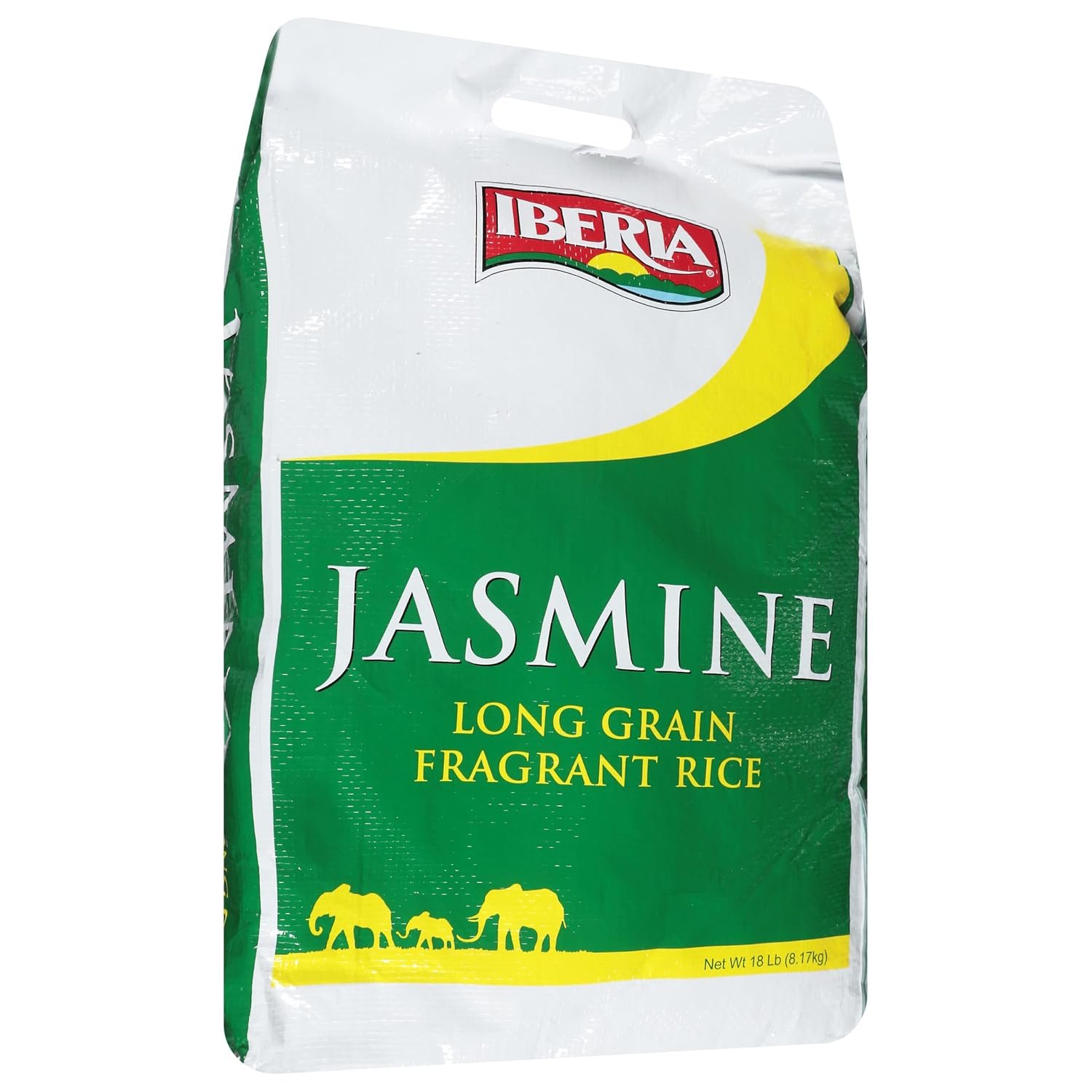
Iberia Jasmine Rice, Long Grain White, 18 lb
A big bag lowers the cost per pound, and 18 lb holds about 180 servings. Repack it into airtight containers so it keeps for years.
Check Price on Amazon →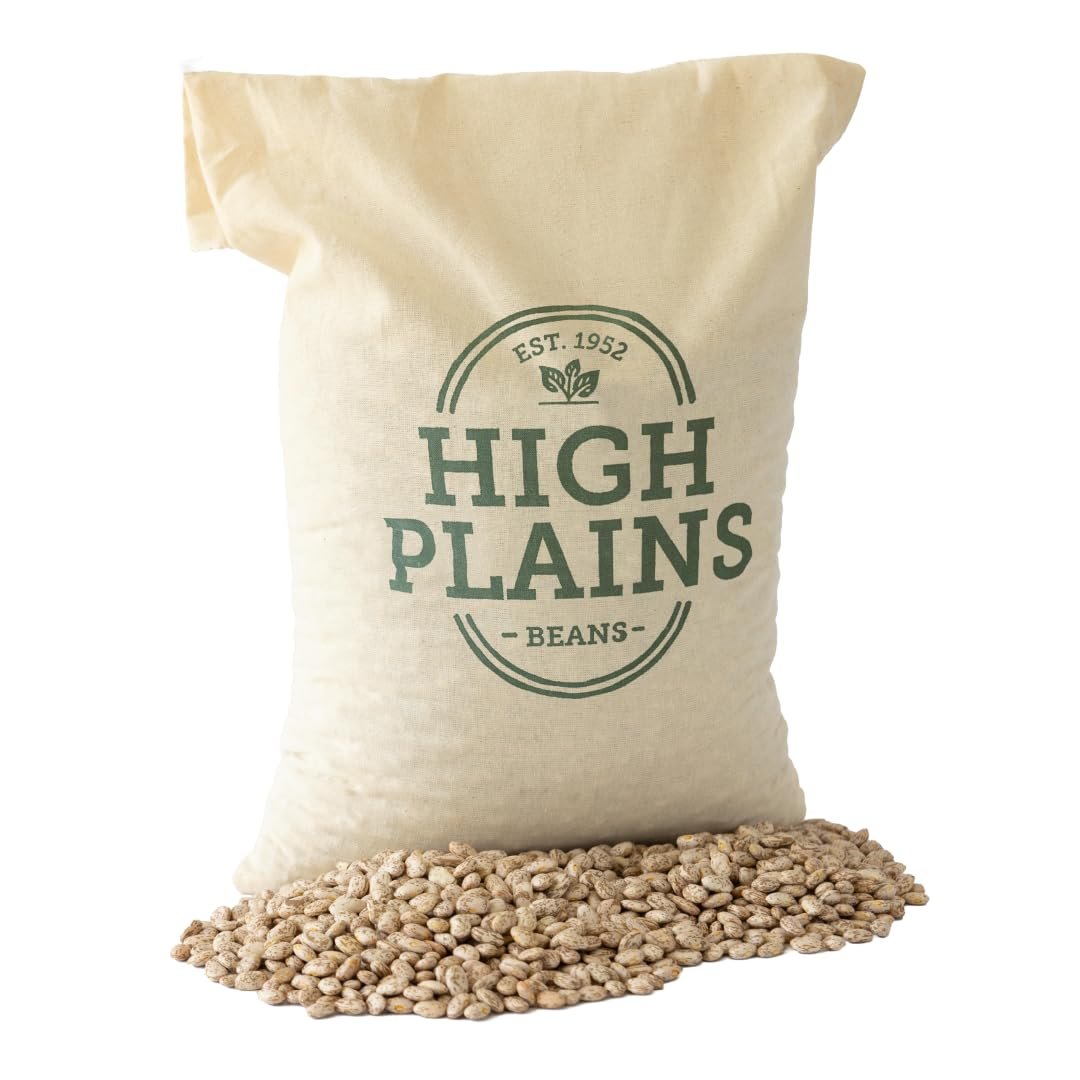
High Plains Pinto Beans, 10 lb Bag
Ten pounds of dry pinto beans, nearly 100 servings at a quarter cup dry. They need a soak and more fuel than cans, so stock some of both.
Check Price on Amazon →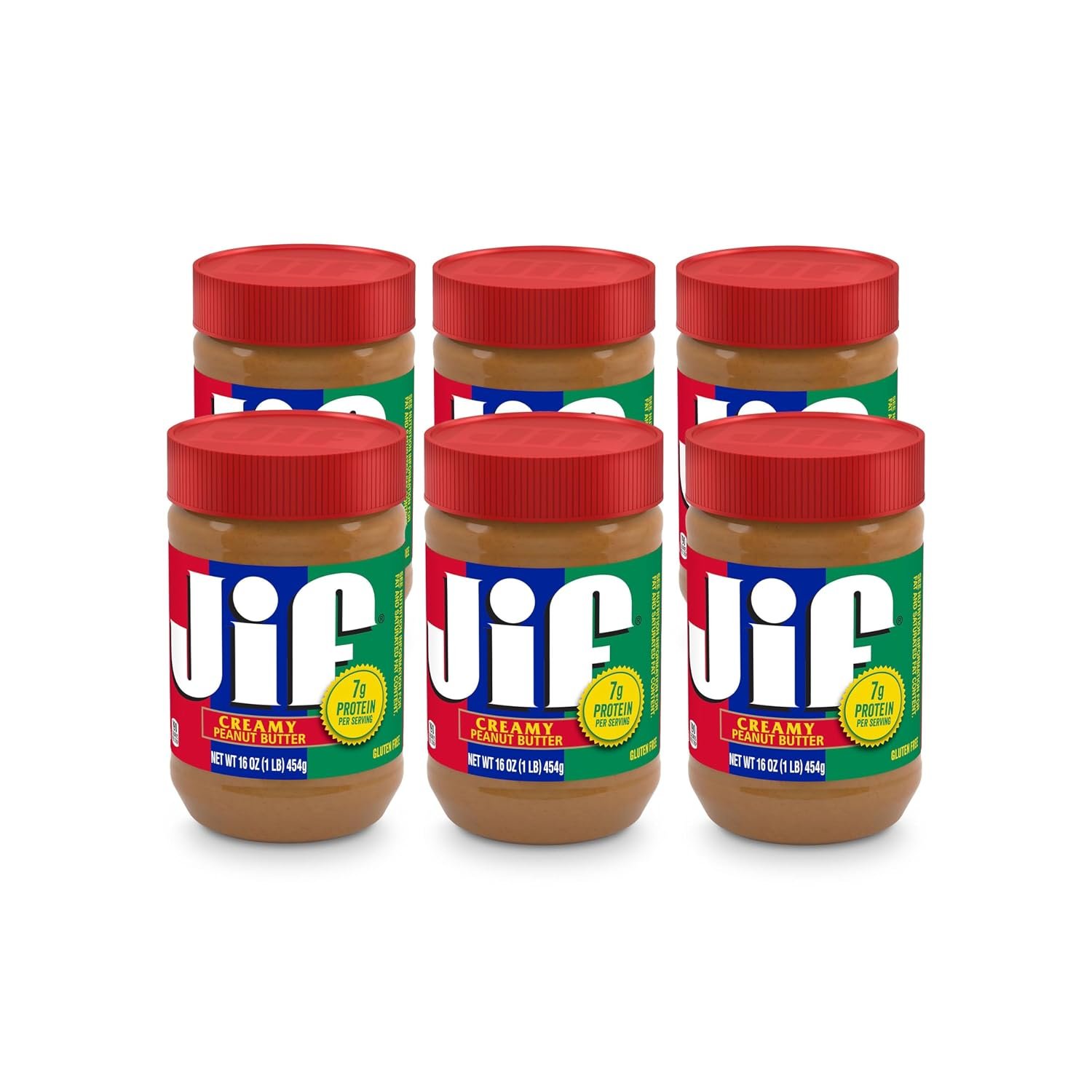
Jif Creamy Peanut Butter, 16 oz (6 Jars)
Six 16 oz jars, each about 14 servings of 190 calories with no cooking. Rotate them into breakfasts and lunch boxes before the date.
Check Price on Amazon →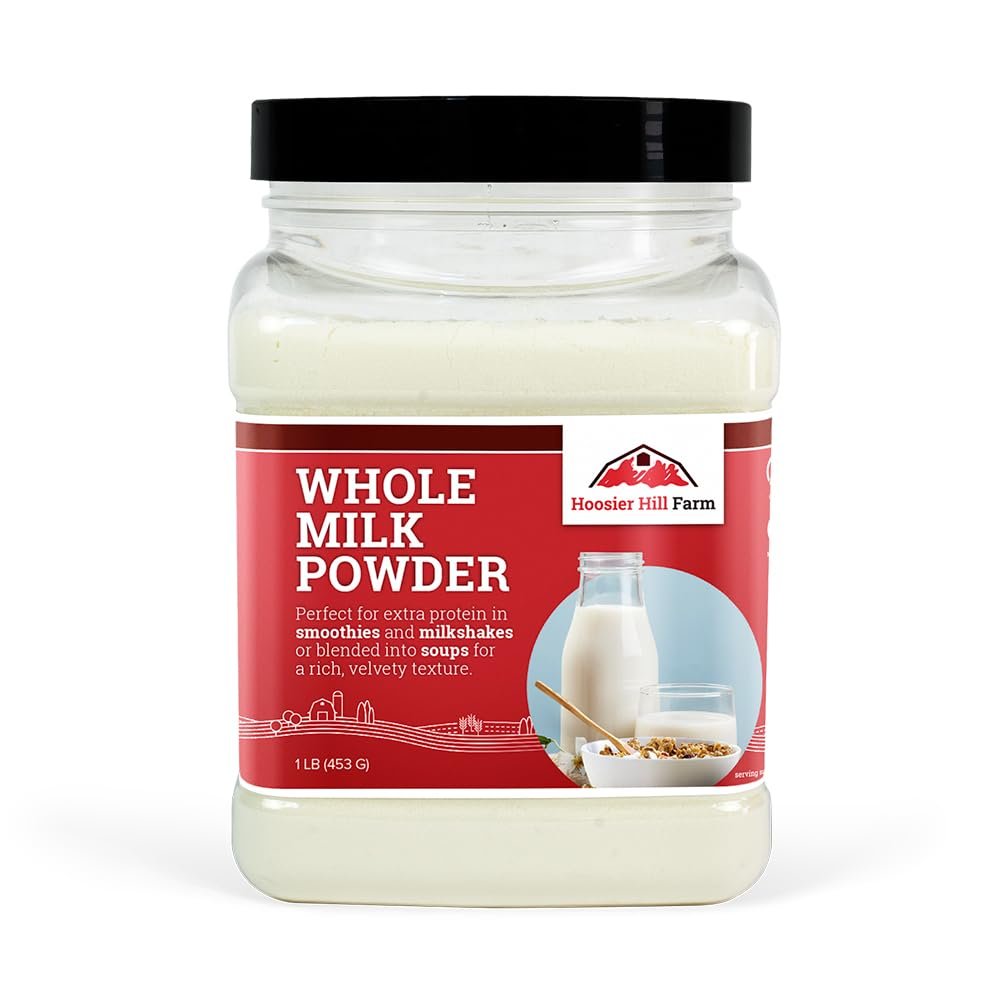
Hoosier Hill Farm Whole Milk Powder, 1 lb
One pound mixes to about 12 cups with water, by the maker’s count, and needs no fridge until mixed. Make only what gets used at one meal.
Check Price on Amazon →An 8-Week Starter Kit, Five Items a Shop
No big shopping trip needed: add five items to each ordinary grocery run. The amounts below are for two people. For four, double them where the budget allows, or run the plan twice. It builds toward the 2-week goal in the hub guide to the best emergency foods.
Shop 1
- 6 cans of beans
- 4 cans of store-brand tuna or sardines
- 2 jars of peanut butter
- 2 boxes of crackers
- A manual can opener
Plus water: fill clean containers from the tap.
Food on hand for two: about 3 days
Shop 2
- 5 lb of white rice
- 2 lb of dried beans
- 4 cans of tomatoes
- A canister of salt
- A 24 oz bottle of cooking oil
Food on hand for two: about 7 days
Shop 3
- A big canister of rolled oats
- A box of powdered milk
- 2 lb of sugar
- 4 cans of vegetables
- 4 cans of fruit
Food on hand for two: about 10 days
Shop 4
- 2 lb of lentils
- 2 lb of pasta
- A box of potato flakes
- Bouillon cubes or powder
- Cumin or chili powder
Food on hand for two: about 12 days
Shop 5
- 4 more cans of fish
- 4 more cans of beans
- Another jar of peanut butter
- Another box of crackers
- 4 more cans of vegetables
Food on hand for two: about 14 days
Shop 6
- Another 5 lb of rice
- 5 lb of flour
- Baking powder
- 4 more cans of tomatoes
- Garlic powder
Food on hand for two: about 18 days
Shop 7
- 2 more lb of pasta
- Another canister of oats
- A small bottle of honey
- 4 more cans of fruit
- 2 cans of chicken
Honey and canned chicken make this the treat week.
Food on hand for two: about 20 days
Shop 8
- 2 more lb of lentils
- Water purification tablets or unscented bleach
- Cocoa or tea
- Zip-top bags
- A marker for date labels
Food on hand for two: about 21 days
By the fifth shop, two people have about two weeks of food at 2,000 calories a day. By the eighth, about three weeks, roughly 86,000 calories in all, or 10 days for a family of four. The finished goal is the emergency food supply list.
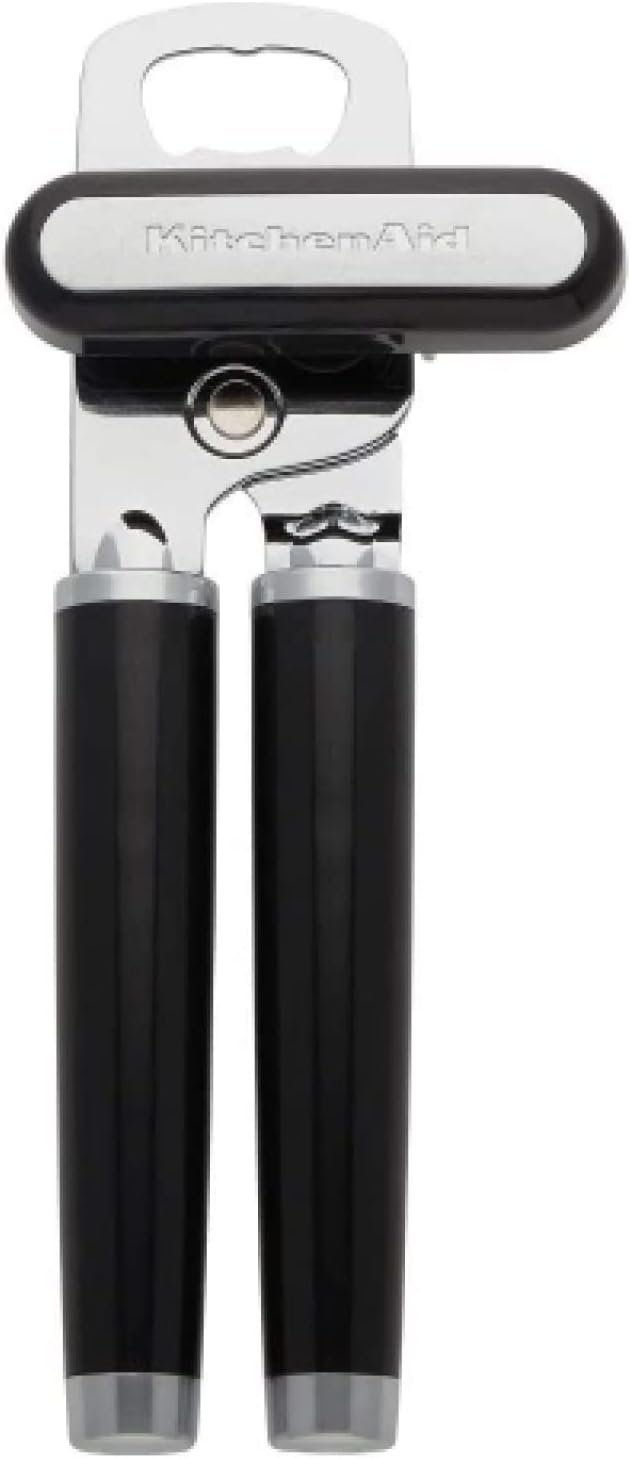
KitchenAid Classic Multifunction Can Opener
Every can in the first shop depends on it. A sturdy manual opener lasts for years, and the old one in the drawer becomes the spare.
Check Price on Amazon →Store Brands, Bulk Bags, Warehouse Clubs and Sales
The same staples cost very different amounts depending on how and where they are bought. Four habits make every shop go further.
Store brands
Store-brand rice, beans, oats, pasta, flour and canned goods are usually the same staples in plainer packaging, for less. Read the ingredients: they often match.
The unit price
The small print on the shelf tag shows the cost per ounce or pound. It is the fastest way to see whether the big bag or the small box is the better buy.
Warehouse clubs
Big bags of rice, beans, oats and flour are often cheapest per pound there. Buy only what the household will eat before it goes stale, or split a bag with family.
Sales and full cases
Canned goods, broth and baking staples are often marked down before the big fall and winter holidays. Some grocers take a little off a full case of cans if asked.
Bulk Bags or Cans?
Bulk dry food costs less per serving; cans cost more but need nothing. A budget supply wants both.
| Form | Cost per serving | Needs | Keeps |
|---|---|---|---|
| Dried beans, big bag | Cost per servingCheapest | NeedsA soak, 1 to 2 hours of simmering | KeepsYears, sealed and dry |
| Canned beans | Cost per servingMid | NeedsNothing; safe cold from the can | Keeps2 to 5 years |
| Rice, 20 lb bag | Cost per servingCheapest | NeedsRepacking into airtight containers | KeepsYears in mylar |
| Rice, 2 lb bag | Cost per servingMid | NeedsNothing extra | KeepsAbout 2 years |
| Oats, big canister | Cost per servingCheapest | NeedsHot water, or milk overnight | Keeps1 to 2 years |
| Instant oat packets | Cost per servingTreat | NeedsHot water | KeepsAbout 1 year |
Big bags last longer repacked: these mylar bags or vacuum sealer bags keep rice and beans dry, and long term food storage covers the method.
Free and Low-Cost Water
Water is the one thing that can cost almost nothing. Plan on 1 gallon per person per day, Ready.gov’s figure: 28 gallons covers two people for two weeks, about 53 washed 2-liter bottles.
- Pick the containers Food-grade water jugs, or washed 2-liter soda bottles. Skip milk and juice jugs: they are hard to clean and break down.
- Clean them Wash with dish soap and rinse. Swish with 1 teaspoon of unscented bleach in a quart of water, then rinse again.
- Fill from the tap Cap tightly and write the date on each one. Tap water from a safe supply needs nothing added.
- Store and swap Keep it cool and dark, away from fuel and cleaning products, and replace it every 6 months.
If the tap water isn’t safe: boil it for 1 minute, or add 8 drops of unscented 6% bleach per gallon and wait 30 minutes. The full routine is in how to store water for emergencies.
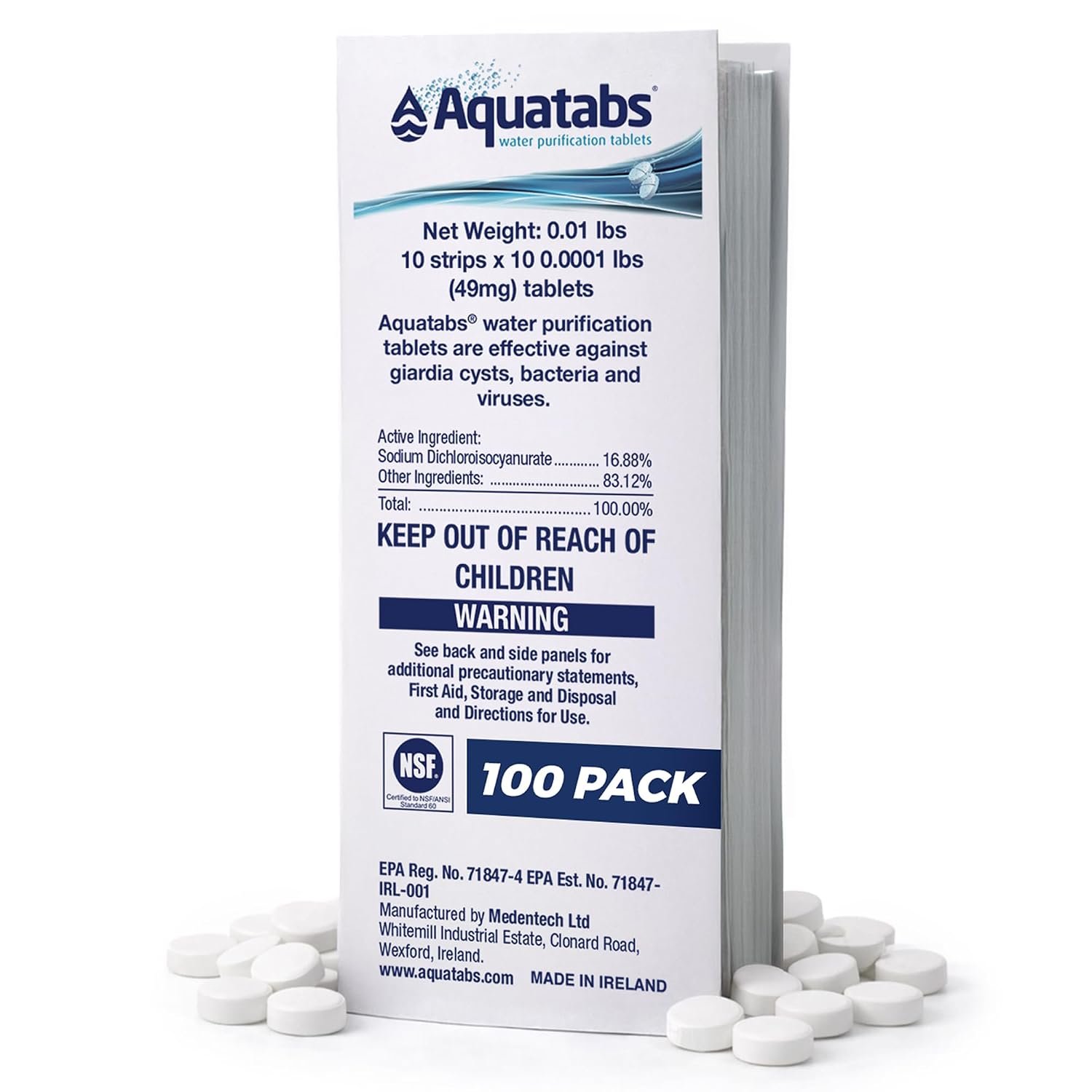
Aquatabs Water Purification Tablets (100 Pack)
One tablet treats 0.75 to 2 liters, per the packet: a light back-up for days when the tap water is not safe to drink.
Check Price on Amazon →What to Skip When Money Is Tight
Saving money on emergency food is as much about what stays on the shelf as what goes in the cart.
- Expensive freeze-dried kits, for now They keep for decades but cost far more per calorie than rice and beans, and most need boiling water.
- Food nobody eats A bargain case of something the household dislikes is money in the trash at the next check.
- Single-serve and snack packs They cost more per serving than the big box of the same food.
- Small bottled water Tap water in clean containers costs next to nothing; save bottles for the car.
- Fifty pounds of one thing A mountain of rice with nothing to go with it wears people down within days.
- Brown rice and whole wheat flour for storage They go rancid within months, which wastes the money.
Stretching Meals: Rice and Beans, Lentil Soup and More
Cheap staples become filling meals with a little water, oil and seasoning. Each of these feeds the number on the coin from one pot or pan.
Rice and beans
1 cup dry rice, 1 can of beans, 1 can of tomatoes, oil, cumin and salt. The classic pairing: cheap, filling, endlessly adjustable.
Lentil soup
1 cup lentils, 1 can of tomatoes, bouillon and 6 cups of water. Thicken with potato flakes if it runs thin.
Pasta and bean soup
Half a pound of small pasta, a can each of beans and tomatoes, bouillon and garlic powder.
Skillet flatbread
2 cups flour, ¾ cup water, 2 tablespoons oil and a pinch of salt, cooked in a dry pan.
Oats three ways
½ cup per bowl: hot with powdered milk, soaked overnight, or stirred with peanut butter and honey.
Potato soup
Potato flakes whisked into hot broth with powdered milk and garlic powder. Ready in 5 minutes.
For full recipes, try this lentil soup recipe or the pots in lentil soups and stews, and emergency pantry recipes for more meals from the same shelf. Leftover oats? Pumpkin pie oats make a cozy breakfast.
Emergency Food on a Budget: FAQ
What is the cheapest emergency food?
White rice, dried beans and lentils, oats, pasta and flour give the most food for the least money, followed by oil, sugar and peanut butter. Store brands of each usually cost less than name brands with the same ingredients.
How do you build an emergency food supply on a budget?
Add a few items on every grocery run instead of one big trip: no-cook basics and a can opener first, then rice, beans, oats and pasta. Store tap water free, buy store brands and stock up when cans go on sale.
What food has the most calories for the least money?
Cooking oil, sugar, white rice, flour, dried beans, oats and pasta. Oil packs about 120 calories a tablespoon; rice, flour, oats and pasta about 1,650 a pound. Peanut butter is the best-value dense food that needs no cooking.
Is rice and beans enough for an emergency food supply?
As a base, yes: cheap, filling and long-keeping. Add oil, canned vegetables and fruit, peanut butter and spices for fat, variety and flavor, and keep some no-cook food for days without a stove.
What is the cheapest way to store water for emergencies?
Tap water in clean food-grade jugs or washed 2-liter soda bottles. Wash them with dish soap, swish with a teaspoon of unscented bleach in a quart of water, rinse, fill and cap. Replace it every 6 months.
How much emergency food should I buy on a budget?
Start with 3 days of no-cook food, then build toward 2 weeks. For two people, 2 weeks is about 56,000 calories; the 8-week plan above gets there by the fifth shop and to about 3 weeks by the eighth.
Are store-brand canned goods safe for emergency food?
Yes. Store brands follow the same food-safety rules as name brands, and canned goods of either kind stay safe past the best-by date if the can is undamaged. Skip cans with bulges, rust or dents on a seam.
Is freeze-dried emergency food worth it on a budget?
Usually not at first. Freeze-dried kits keep for decades but cost far more per calorie than grocery staples and need boiling water. Build 2 weeks of rice, beans, oats and cans first; a kit can come later.
How long do cheap emergency staples last?
White rice, dried beans, lentils, pasta, sugar and salt keep for years sealed and dry; oats 1 to 2 years; flour, crackers, oil and peanut butter roughly 6 to 12 months. Canned goods keep 1 to 5 years.
What cheap emergency foods need no cooking?
Canned beans, canned fish and chicken, peanut butter, crackers, canned fruit and vegetables, and oats soaked overnight in milk made from powder. Keep at least 3 days of these for times the stove can’t be used.
Can you buy emergency food at a dollar store?
Yes, for small items: canned beans and vegetables, pasta, spices, crackers and peanut butter. Check the unit price and the size, since small packages can cost more per ounce than a large grocery bag.
How do you stretch emergency food?
Bulk out meals with rice, beans, lentils and oats, cook soups that turn a cup of lentils into six bowls, make flatbread from flour, water and oil, and season well. Cook only what gets eaten at one meal.
What should I buy first for emergency food on a budget?
Water containers filled from the tap, a manual can opener, and three days of no-cook food: canned beans and fish, peanut butter and crackers. Then add rice, dried beans, oats and oil on the next shops.
Keep Building the Supply
The 2-week goal, recipes from the same shelf, water, bulk storage and more ways to stretch a bag of lentils.
Emergency Food Supply List
Two weeks for a family of four, with a printable checklist. See the list → Cook ItEmergency Pantry Recipes
Meals from the same cheap staples. See the recipes → WaterHow to Store Water for Emergencies
Containers, treatment and refill schedules. Read the guide → Bulk BagsLong Term Food Storage
Repack big bags of rice and beans so they keep for years. Read the guide → Stretch ItLentil Soups and Stews
More pots built on a bag of lentils. See the recipes → SpaceStorage Ideas Without a Pantry
Room for the supply in a small kitchen. See the ideas →Back to the full list: Best Emergency Foods to Buy at Your Grocery Store
Building emergency food on a budget works best one shop at a time. When the eight shops are done, the emergency food supply list shows the full 2-week goal for a family of four.
