
Long Term Food Storage: Foods That Last 25 Years and How to Store Them
The dry staples that keep for decades, the ones that turn rancid, the mylar-and-bucket packing method step by step, and a sample 1-year shelf for one adult.
- Oxygen absorber chart
- Pest checks
- Rotation plan
Long term food storage works with a short list of dry, low-fat staples, packed to keep out the three things that spoil them: oxygen, moisture and heat.
Done well, white rice, dried beans and oats can keep for decades: a deep reserve behind the everyday pantry for long winter outages, floods or a lean stretch. The 2-week shelf comes first, though, so start with the full list of best emergency foods to buy at the grocery store.
Quick answer
White rice, dried beans, rolled oats, wheat berries, pasta, sugar, honey, salt, nonfat powdered milk and freeze-dried foods can last 20 to 30 years or more under ideal conditions. Pack them dry in mylar bags with oxygen absorbers (none for sugar or salt), heat seal, and store the bags in food-grade buckets somewhere cool, dry and dark.
Long Term Food Storage: 10 Foods That Can Last for Decades
These ten are the backbone because they are dry, low in fat and cheap per calorie. The years are commonly cited estimates for food sealed without oxygen and kept cool and dry, not guarantees, and taste and texture slowly fade over time.
White rice
25 to 30 years
Polishing removes the oily bran, which is why white rice outlasts brown by decades. Long-grain, jasmine and basmati all store well, at about 1,650 calories a pound.
Dried beans
25 to 30 years
Pinto, black and kidney beans, chickpeas and lentils. Very old beans take longer to soften, so rotate them through soups and stews.
Rolled oats
25 to 30 years
Regular and quick oats both keep. They are bulky, so a bag holds less by weight than rice, but they cover breakfast, baking and thickening.
Wheat berries
25 to 30 years
Whole kernels keep their oil sealed inside until they are ground. Grind them for flour as needed, or simmer them whole like rice.
Pasta
20 to 30 years
Plain dried pasta made without egg. Spaghetti and elbows pack tighter than big shapes, and thin pasta saves fuel when cooking.
Sugar
Indefinitely
White granulated sugar keeps as long as it stays dry. Seal it in mylar or a bucket without an oxygen absorber, which would turn it into a brick.
Honey
Indefinitely
Keeps in its own sealed jar; crystals are normal and melt in warm water. Never give honey to babies under 12 months.
Salt
Indefinitely
Plain salt never spoils if it stays dry. Keep it in its own container or a bucket, with no absorber.
Nonfat powdered milk
About 20 years
Only the nonfat kind keeps this long; whole milk powder’s fat shortens its life, so it belongs in the rotating pantry.
Freeze-dried foods
Up to 25 years, as labelled
Fruit, vegetables and meals sealed by the maker. Choose vegetarian or halal-certified meals, and note that most need boiling water.
Everything here is a base to cook from, not a full menu: canned vegetables, fruit and proteins on rotation round out the meals, and the emergency food list covers those.
Foods That Don’t Store Long Term, and a Shelf-Life Chart
Fat and moisture are what cut storage short. Oils in brown rice, whole wheat flour, nuts and seeds turn rancid within months whatever the packaging, and moist foods can grow mold. Keep these in the rotating pantry and eat them by their dates.
| Food | Sealed, ideal conditions (est.) | Ordinary pantry | Verdict |
|---|---|---|---|
| FoodWhite rice | Sealed, ideal conditions (est.)25 to 30 years | Ordinary pantryAbout 2 years | VerdictStore it |
| FoodDried beans and lentils | Sealed, ideal conditions (est.)25 to 30 years | Ordinary pantry2 to 3 years | VerdictStore it |
| FoodRolled oats | Sealed, ideal conditions (est.)25 to 30 years | Ordinary pantry1 to 2 years | VerdictStore it |
| FoodWheat berries | Sealed, ideal conditions (est.)25 to 30 years | Ordinary pantrySeveral years | VerdictStore it |
| FoodPlain dried pasta | Sealed, ideal conditions (est.)20 to 30 years | Ordinary pantryAbout 2 years | VerdictStore it |
| FoodSugar, salt and honey | Sealed, ideal conditions (est.)Indefinitely | Ordinary pantryIndefinitely, kept dry | VerdictStore it |
| FoodNonfat powdered milk | Sealed, ideal conditions (est.)About 20 years | Ordinary pantry1 to 2 years | VerdictStore it |
| FoodFreeze-dried foods | Sealed, ideal conditions (est.)Up to 25 years, as labelled | Ordinary pantryAs labelled | VerdictStore it |
| FoodBrown rice | Sealed, ideal conditions (est.)Not suited | Ordinary pantry6 to 12 months | VerdictRotate it |
| FoodWhole wheat flour | Sealed, ideal conditions (est.)Not suited | Ordinary pantry6 to 12 months | VerdictRotate it |
| FoodNuts and seeds | Sealed, ideal conditions (est.)Not suited | Ordinary pantry6 to 12 months | VerdictRotate it |
| FoodCooking oil | Sealed, ideal conditions (est.)Not suited | Ordinary pantryAbout 1 year unopened | VerdictRotate it |
| FoodMoist or oily foods: soft dried fruit, jerky, granola, crackers | Sealed, ideal conditions (est.)Not suited | Ordinary pantryTheir package date | VerdictRotate it |
As an Amazon Associate, this site earns from qualifying purchases. Prices and availability are those shown on Amazon at the time you click.
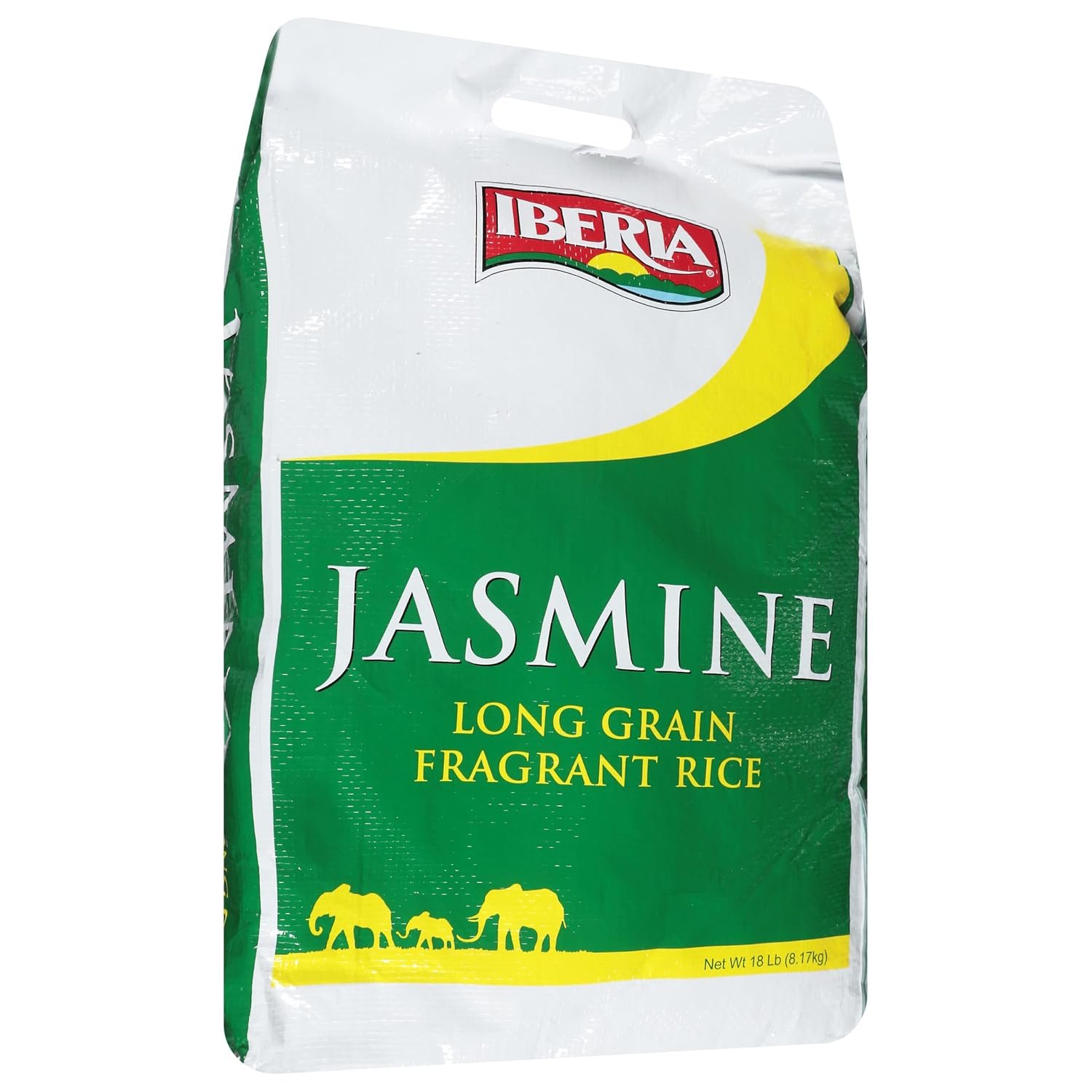
Iberia Jasmine Rice, Long Grain White, 18 lb
An 18 lb bag of long-grain jasmine rice, labelled halal. Repack it into 1-gallon mylar bags of about 7 lb each, with an absorber, and it joins the long-keeping shelf.
Check Price on Amazon →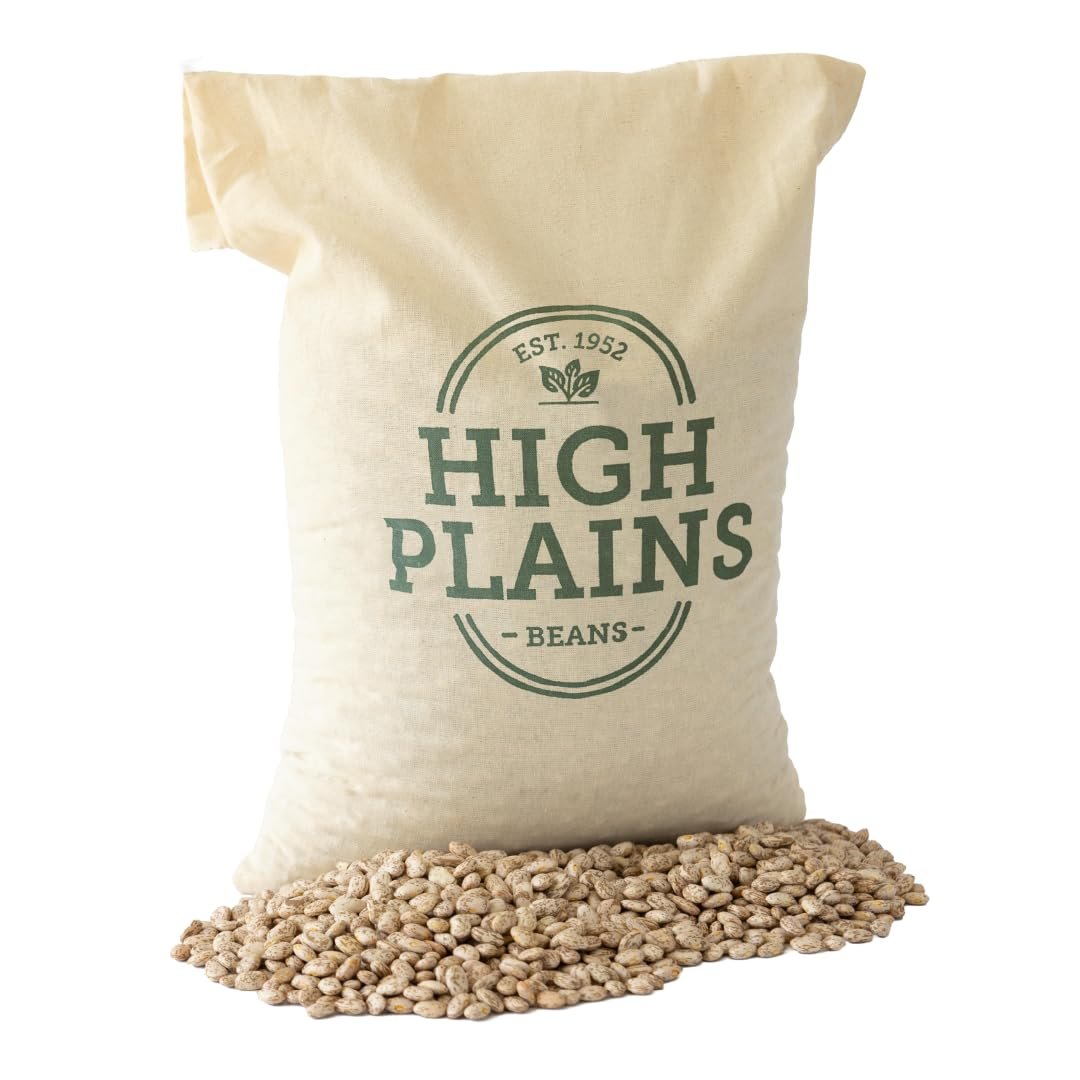
High Plains Pinto Beans, 10 lb Bag
Ten pounds of cleaned dry pinto beans, ready to repack into mylar. Beans grow harder to soften with age, so rotate the oldest through soups and stews.
Check Price on Amazon →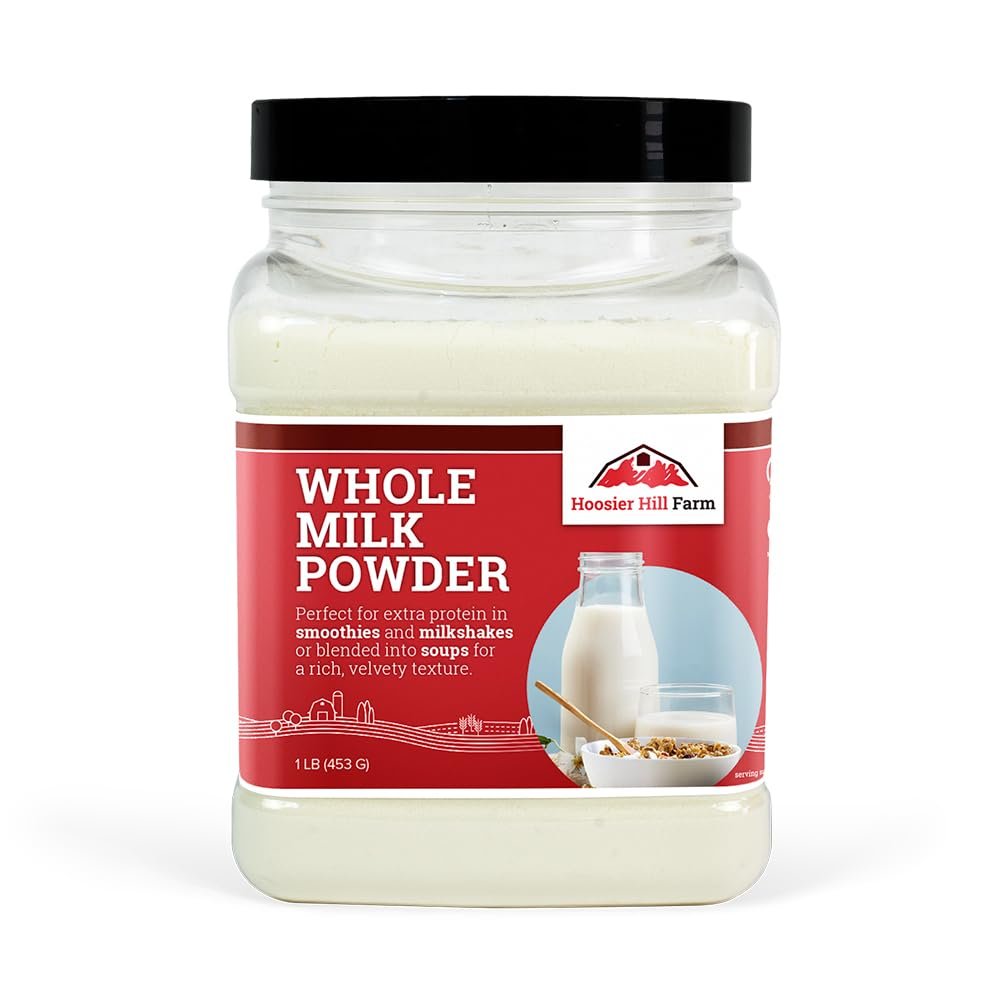
Hoosier Hill Farm Whole Milk Powder, 1 lb
Whole milk powder belongs in the rotating pantry, not the 25-year bucket: its fat shortens storage. Keep it cool and sealed and use it by its date.
Check Price on Amazon →How to Pack Food for Long Term Storage, Step by Step
Mylar bags block oxygen and light, oxygen absorbers remove the air left inside, and a food-grade bucket guards the bags against rodents and knocks. Together they make the 25-year figures possible.
Start with dry, low-fat food
Only food dry enough to snap rather than bend, about 10% moisture or less: white rice, beans, wheat, oats, pasta, nonfat powdered milk.
Fill the bags
Stand each mylar bag in a bucket or box, fill it, tap it to settle the food, and leave a few inches empty at the top for the seal.
Add the oxygen absorber last
Open the absorber pack only now, drop the right size into each bag (see the chart below) and reseal the spares in a small airtight jar at once.
Press out the air and seal
Squeeze out as much air as possible, then heat seal across the top with an impulse sealer, a clothes iron on a hot, dry setting over a board, or a flat hair straightener.
Check the seal
Look for wrinkles or gaps, and run a second seal line if in doubt. Within a day or two most bags of rice or beans pull in tight; pasta and oats show it less.
Label every bag
Write the food, the date packed and the absorber size on each bag with a permanent marker.
Stand the bags in a bucket
Pack the bags into food-grade buckets, screw on the lids, label the outside, and store them somewhere cool, dry and dark.
What You Need
- Mylar bags (thicker bags resist punctures)
- Oxygen absorbers sized to the bags
- An impulse sealer, clothes iron or flat hair straightener
- A wooden board or a level to seal against
- Food-grade buckets with tight lids
- A permanent marker and a small glass jar for spare absorbers
For thicknesses and sizes compared, see the best mylar bags for long-term food storage. The bags and buckets below are matched to the absorber chart that follows.
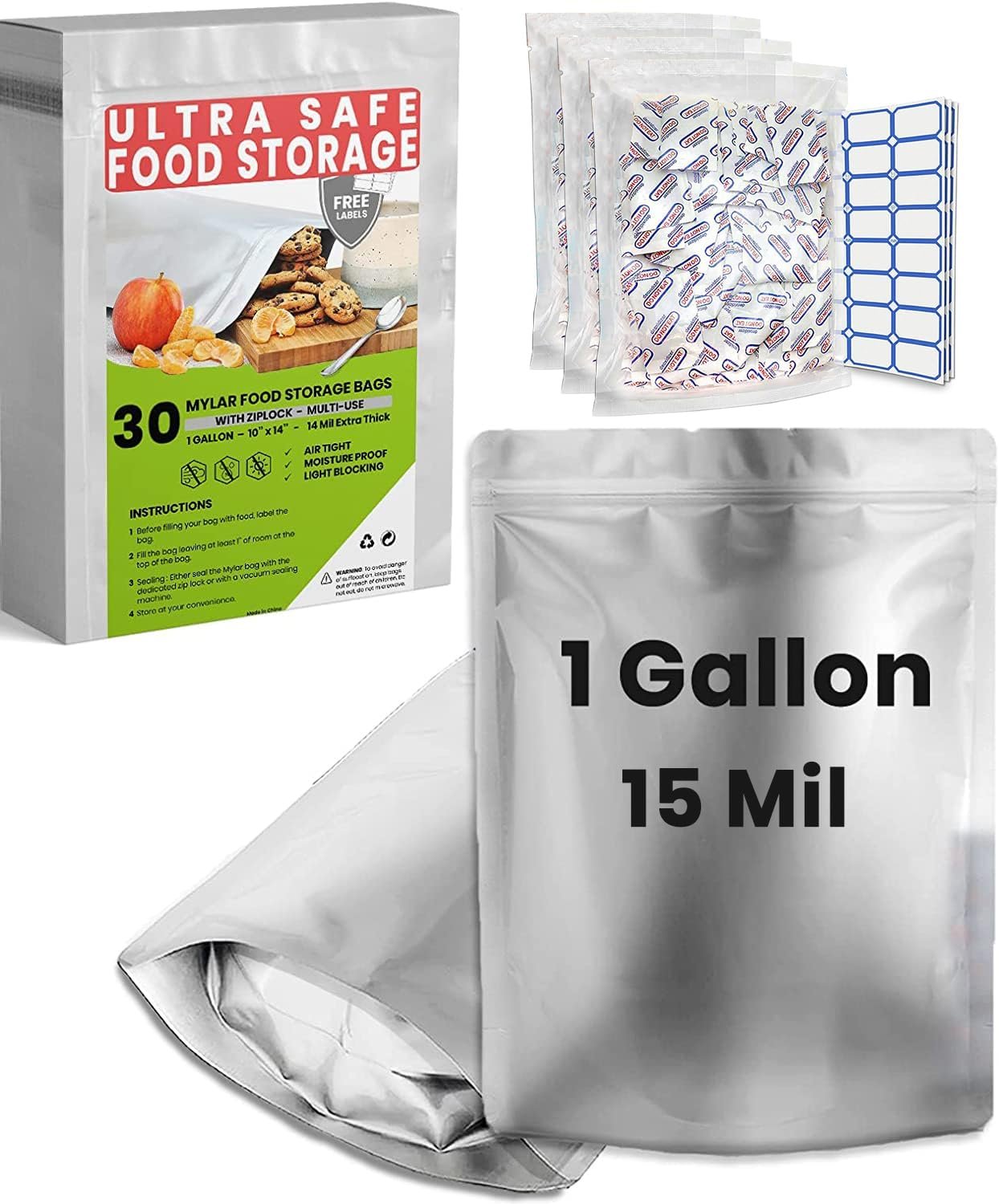
Home Sensei 1-Gallon Mylar Bags with Oxygen Absorbers (30 Pack)
Thirty 1-gallon zip-top mylar bags with 400cc oxygen absorbers and labels. Heat seal above the zipper, then cut that seal off when opening and use the zip.
Check Price on Amazon →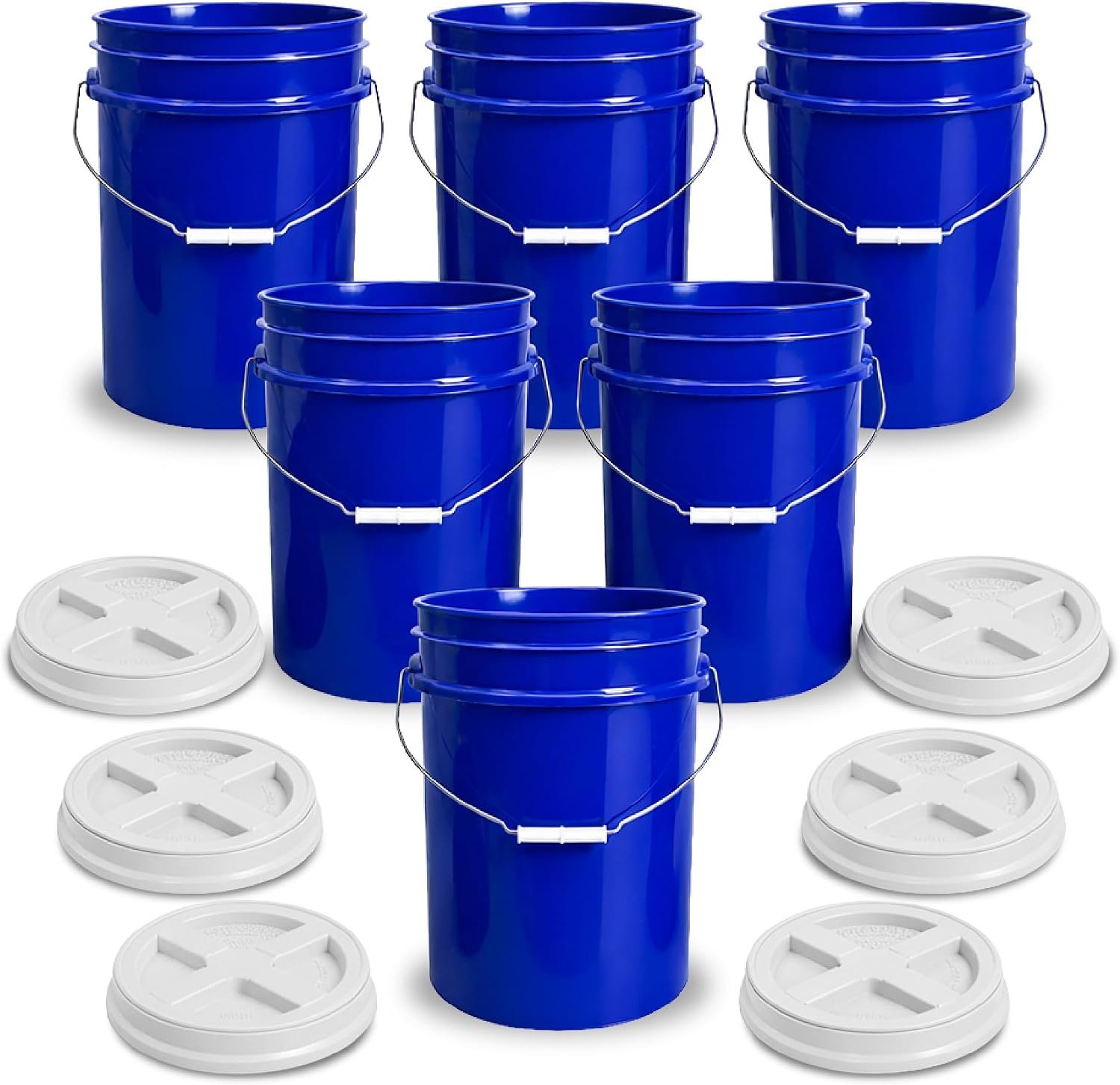
ePackageSupply 5-Gallon Food-Grade Buckets with Gamma Seal Lids (6-Pack)
Six food-grade 5-gallon buckets with screw-on gamma lids: the outer layer that keeps rodents, light and knocks off the mylar. One holds about 30 lb of rice in bags.
Check Price on Amazon →Oxygen Absorber Sizes by Bag Size
Dense foods leave little air between the grains, so they need less absorber than bulky ones. These are common rules of thumb; extra capacity does no harm, and the absorber maker’s chart wins when it differs.
| Bag size | Dense: rice, wheat, beans, powdered milk | Airy: pasta, oats, freeze-dried |
|---|---|---|
| Bag size1 quart | Dense: rice, wheat, beans, powdered milk100cc | Airy: pasta, oats, freeze-dried100 to 200cc |
| Bag size1 gallon | Dense: rice, wheat, beans, powdered milk300cc | Airy: pasta, oats, freeze-dried400 to 500cc |
| Bag size2 gallons | Dense: rice, wheat, beans, powdered milk600cc | Airy: pasta, oats, freeze-dried800 to 1,000cc |
| Bag size5 gallons | Dense: rice, wheat, beans, powdered milk1,500 to 2,000cc | Airy: pasta, oats, freeze-dried2,000 to 2,500cc |
What Not to Pack With Oxygen Absorbers
- Sugar and salt: both keep indefinitely when dry, and an absorber can set them into a solid brick. Seal them without one.
- Brown sugar: its moisture is the point; keep it airtight in the pantry.
- Anything soft, chewy or oily: dried fruit that bends, jerky, granola, nuts and crackers.
Why moisture must be low: moist food sealed without oxygen can let the bacteria that cause botulism grow. The low-oxygen method is only for food dry enough to snap, about 10% moisture or less. If it bends, it goes in the freezer or the rotating pantry instead.
Temperature and Where to Keep Stored Food
Heat shortens shelf life more than anything else. The 25-to-30-year estimates assume cool, steady storage, ideally about 70°F or below; a hot garage or attic can cut them sharply. Light and damp matter too, which is why the bags go into buckets.
| Spot | Verdict | Why |
|---|---|---|
| SpotBasement or interior closet | VerdictBest | WhyCool and steady, away from outside walls |
| SpotUnder beds, closet floors | VerdictGood | WhyLiving-space temperatures; easy to check |
| SpotGarage, attic or shed | VerdictPoor | WhySummer heat shortens shelf life sharply |
| SpotBeside the furnace, water heater or oven | VerdictPoor | WhyConstant warmth |
| SpotStraight on a damp floor | VerdictPoor | WhyMoisture; use a shelf or pallet instead |
Short on cool closet space? These storage ideas for a kitchen without a pantry find room under beds and on closet floors.
Labelling, Rotation and Vacuum-Sealed Bags
- Write the contents and packed date on each bucket’s lid and side, not just on the bags inside.
- First in, first out: new buckets go to the back, the oldest come forward.
- Open one bag at a time; once open, move the food to an airtight jar and treat it like ordinary pantry food.
- Keep an inventory sheet taped inside the closet door, and check every bucket once a year for damage, damp or pests.
- Cook from storage every week, so the rice, beans and oats are familiar long before an outage.
Cooking from storage keeps the shelf fresh; these emergency pantry recipes and lentil soups and stews use the same rice, beans and lentils.
Vacuum sealing or mylar? Vacuum sealer bags are plastic and let oxygen back in slowly, so they suit the rotating pantry and the freezer rather than decades. See the best vacuum sealers and these vacuum sealer bags and rolls for that job; use mylar and absorbers for the 25-year shelf.
Keeping Pests Out
- Oxygen absorbers do double duty: insects and their eggs cannot survive in a properly sealed, oxygen-free bag.
- Some households freeze new bags of grain for a few days before packing as extra insurance.
- Buckets matter as much as bags: rodents can chew through mylar, but not a food-grade bucket.
- Throw out any food with webbing, holes, live insects or droppings, and clean the shelf before restocking.
A Sample 1-Year Staples Supply for One Adult
A sample built on roughly 2,000 calories a day, not a fixed standard. Adjust it for appetite and for what the household actually eats. Water is stored separately; see how to store water for emergencies.
| Staple | One adult, 1 year | 5-gallon buckets |
|---|---|---|
| StapleWhite rice | One adult, 1 year120 lb | 5-gallon bucketsAbout 4 |
| StapleWheat berries | One adult, 1 year80 lb | 5-gallon bucketsAbout 3 |
| StapleDried beans and lentils | One adult, 1 year60 lb | 5-gallon bucketsAbout 2 |
| StapleRolled oats | One adult, 1 year50 lb | 5-gallon bucketsAbout 4 |
| StaplePlain dried pasta | One adult, 1 year50 lb | 5-gallon bucketsAbout 3 |
| StapleSugar | One adult, 1 year30 lb | 5-gallon bucketsAbout 1 |
| StapleNonfat powdered milk | One adult, 1 year16 lb | 5-gallon bucketsAbout 1 |
| StapleHoney | One adult, 1 year10 lb | 5-gallon bucketsIts own jars or bags |
| StapleCooking oil | One adult, 1 year2 gallons | 5-gallon bucketsIts own bottles; rotate yearly |
| StapleSalt | One adult, 1 year8 lb | 5-gallon bucketsIts own jars or bags |
| StapleBaking powder, yeast, spices | One adult, 1 yearTo taste | 5-gallon bucketsRotate with the pantry |
That comes to about 2,000 calories a day and roughly 18 five-gallon buckets, the floor of one closet. Most households build it a bucket or two at a time; emergency food on a budget shows how to spread the cost.
Long Term Food Storage: FAQ
What foods last the longest in long term food storage?
White rice, dried beans, rolled oats, wheat berries and plain pasta, commonly cited at 20 to 30 years when sealed without oxygen and kept cool and dry. Sugar, salt and honey keep indefinitely, nonfat powdered milk about 20 years, and many freeze-dried foods are labelled for up to 25.
Does white rice really last 25 years?
Under ideal conditions it can: polished white rice sealed in mylar with an oxygen absorber and kept cool and dry is commonly cited at 25 to 30 years. That is an estimate, not a guarantee. In its original bag in a warm kitchen, plan on about 2 years.
Why can’t brown rice be stored long term?
Brown rice keeps its bran, which holds natural oils, and those oils turn rancid within about 6 to 12 months, oxygen absorber or not. Store white rice for the long haul and keep brown rice in the rotating pantry or the freezer.
How many oxygen absorbers do I need for a 5-gallon bucket?
For a 5-gallon mylar bag of dense food such as rice, wheat or beans, about 1,500 to 2,000cc in total; for airy foods such as pasta or oats, 2,000 to 2,500cc. Several smaller packets that add up work just as well, and extra capacity does no harm.
Can you put oxygen absorbers in sugar or salt?
No. Neither needs one, since both keep indefinitely when dry, and an absorber can turn sugar or salt into a solid brick. Seal them in mylar bags or buckets without absorbers to keep out moisture and pests.
Do you need mylar bags if you use food-grade buckets?
For storage measured in decades, yes. Plastic buckets slowly let oxygen through, so on their own they suit food used within a few years. The mylar bag is the oxygen and light barrier; the bucket protects it from rodents, punctures and knocks.
How do you seal mylar bags without a heat sealer?
With a clothes iron on a hot, dry setting, or a flat hair straightener. Lay the bag’s top edge across a board, press out the air and run the iron slowly across the top. Check for wrinkles or gaps and seal a second line if needed.
Is vacuum sealing good for long term food storage?
It is great for the rotating pantry but not for decades. Vacuum sealer bags are plastic and let oxygen back in slowly over time. For rice, beans and oats meant to last 20 years or more, use mylar bags with oxygen absorbers inside buckets.
Can you reuse oxygen absorbers?
No. Once an absorber has taken up oxygen it is spent, and it usually feels hard. Unused absorbers can be saved if they are resealed right away in a small airtight glass jar, or their original bag, with as little air as possible.
Where is the best place to keep long term food storage?
Somewhere cool, dry, dark and steady, ideally about 70°F or below: a basement, an interior closet or under beds. Avoid garages, attics and spots beside the furnace, water heater or oven, and set buckets on a shelf rather than a damp floor.
How do you keep bugs out of stored rice and beans?
Seal them in mylar with an oxygen absorber: insects and their eggs cannot survive without oxygen. Store the bags in buckets with tight lids, keep the area clean and check once a year. Throw out anything with webbing, holes or live insects.
How much food do you need for a year for one person?
A common way to plan is about 2,000 calories a day. The sample on this page reaches that with 120 lb of white rice, 80 lb of wheat berries, 60 lb of beans, 50 lb each of oats and pasta, 30 lb of sugar, 16 lb of powdered milk, honey, oil and salt.
Can you store flour long term?
White flour keeps far longer than whole wheat flour, whose oils go rancid in 6 to 12 months, but neither comes close to whole wheat berries, which keep for decades when sealed. Many households store wheat berries and grind small batches as needed.
More for the Long-Term Shelf
A 3-month plan, budget building, bags and sealers compared, and pots to cook from storage.
3 Month Emergency Food Supply
How much to keep for three months, and how to build it up. See the plan → BudgetEmergency Food on a Budget
Building a supply a little at a time without overspending. Read the guide → PackingBest Mylar Bags for Long-Term Food Storage
The bags themselves, compared. See the picks → SealingBest Vacuum Sealers
For the rotating pantry and the freezer. See the picks → Bags and RollsBest Vacuum Sealer Bags and Rolls
The bags that go with the sealer. See the picks → Cook From StorageLentil Soups and Stews
Pots that turn stored lentils into dinner. See the recipes →Dry food, no oxygen, a sealed bag, a sturdy bucket and a cool closet.
That is long term food storage. The shorter-term shelf comes first.
Back to the full list:
Best Emergency Foods to Buy at Your Grocery Store →
Planning the middle ground? See the 3 month emergency food supply.
